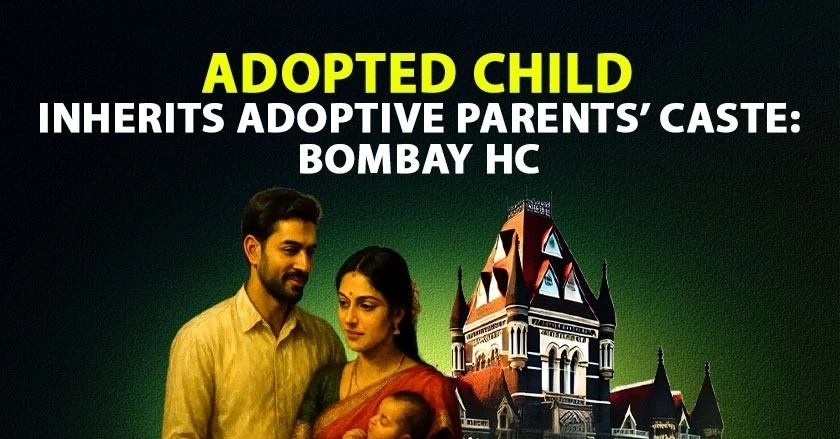
Bombay High Court: Adopted Child Entitled to Adoptive Parents’ Caste Certificate
Court Quashes Pune Authority’s Order Cancelling Certificate of Adopted Boy
Judges Affirm Equal Rights for Adopted Children in Caste-Based Benefits
By Our Legal Correspondent
New Delhi: February 01, 2026:
On January 29, 2026, the Bombay High Court delivered a significant ruling in a case concerning caste certificates for adopted children. A division bench of Justice Makarand Karnik and Justice Shriram Modak held that a child legally adopted under the Hindu Adoption and Maintenance Act, 1956, is entitled to the caste of the adoptive parents.
Also Read: Karnataka High Court Orders Probe into Illegal Sand Mining, Political Links Under Scrutiny
The case involved a Pune-based woman who adopted a male child and sought a caste certificate for him under the Special Backward Category (SBC). The Deputy Collector cancelled the certificate, arguing that the child’s biological caste should prevail. The High Court quashed this order, directing authorities to issue the certificate within four weeks.
[UNIMISSIABLE BOOK RECOMMENDATION]
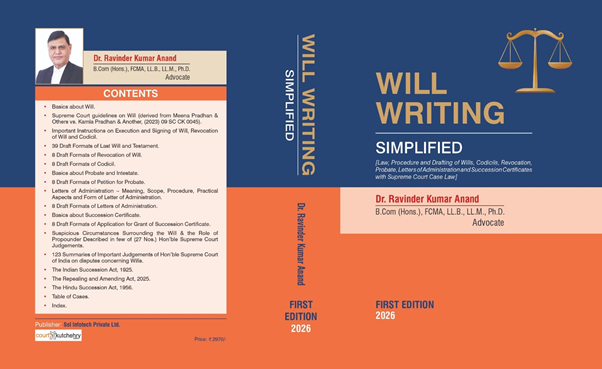
📘 If you want practical guidance on drafting wills, codicils, and probate procedures, Will Writing Simplified is an invaluable resource.
🔹 Buy on Amazon
🔹 Buy on Flipkart
Key Details of the Case
- Petitioner: Gita Dattatray Achari, a Pune resident, adopted a male child.
- Dispute: The Deputy Collector cancelled the caste certificate, citing biological parentage.
- High Court Ruling: Adopted child’s caste is legally aligned with adoptive parents.
- Directive: Authorities must issue a Special Backward Category certificate to the boy within four weeks.
Legal Principles Clarified
- Hindu Adoption and Maintenance Act, 1956: Adoption creates a permanent legal relationship, giving the child the same rights as a biological child.
- Equality in Rights: Adopted children cannot be discriminated against in caste-based entitlements.
- Judicial Precedent: The ruling sets a precedent for similar disputes across India.
Broader Implications
- Reservation Benefits: Adopted children can now claim caste-based reservations and entitlements of adoptive parents.
- Administrative Clarity: Revenue authorities must align caste certificate issuance with adoption laws.
- Social Justice: The ruling strengthens the principle of equality and protects adopted children from bureaucratic discrimination.
Expert Opinions
- Legal Scholars: Applaud the judgment for reinforcing adoption laws and protecting children’s rights.
- Social Activists: Say the ruling will encourage adoption by removing uncertainties about caste entitlements.
- Critics: Some argue that biological caste should remain relevant, but the Court emphasized legal and social integration.
Also Read: Supreme Court: Bail Cannot Be Cancelled Solely on Oral Dying Declaration, Upholds Allahabad HC Order
Conclusion
The Bombay High Court’s ruling is a landmark in family and social justice law. By affirming that an adopted child inherits the caste of adoptive parents, the Court has ensured equal rights and removed ambiguity in caste certificate issuance. This decision will have far-reaching implications for adoption, caste-based reservations, and child welfare in India.
Keywords for Faster Searches
- Bombay High Court adopted child caste certificate
- Adopted child caste ruling India 2026
- Special Backward Category certificate adopted child
- Hindu Adoption and Maintenance Act caste rights
- Pune caste certificate adopted child case
- Adopted child reservation benefits India
- Bombay HC adoption caste judgment
- Adoptive parents caste certificate ruling