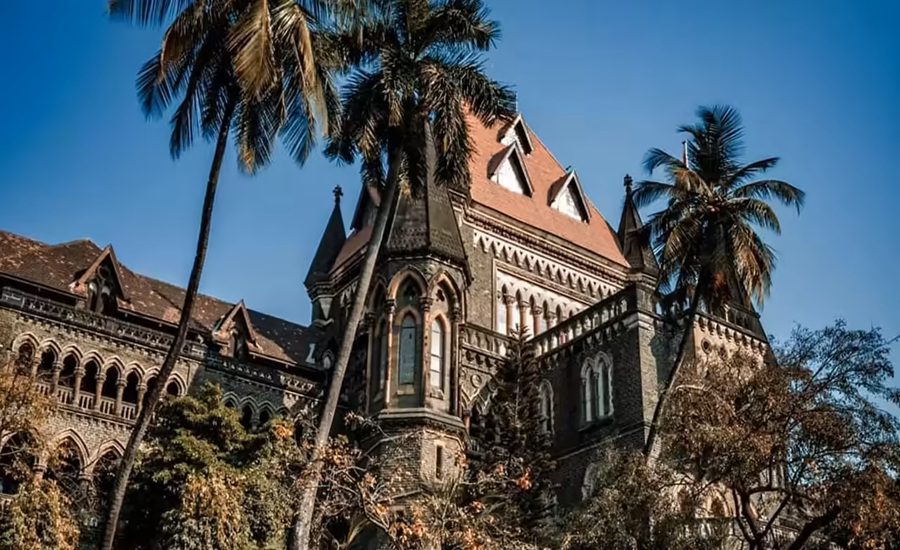
Bombay High Court: Insurers Cannot Deny Claims Due to Their Own Negligence in Handling Premium Cheques
Court Protects Policyholders Against Technical Claim Rejections
Judgment Reinforces Consumer Rights in Insurance Disputes
By Our Legal Reporter
New Delhi: December 24, 2025:
In a significant ruling that will impact millions of policyholders across India, the Bombay High Court has held that insurance companies cannot refuse to honour claims by citing non-receipt of premiums when the lapse is caused by their own negligence in handling premium cheques. The judgment, delivered by Justice Somasekhar Sundaresan, underscores the principle that insurers must act responsibly and cannot escape liability through technical excuses.
Also Read: Zen Technologies Patent Win Highlights India’s Growing IP Power
Background of the Case
The case arose from a dispute between New India Assurance Co. Ltd. and Gayatridham Phase Co-operative Housing Society. The housing society had renewed its Standard Fire and Special Perils Policy by issuing a premium cheque on July 17, 2005. The insurer received the cheque and issued a renewed policy, thereby assuming risk. However, when a claim was later filed, the insurer repudiated it, arguing that the cheque had been dishonoured.
The dishonour was not due to insufficient funds but rather due to operational lapses in processing. The National Consumer Disputes Redressal Commission (NCDRC) had earlier directed the insurer to honour the claim. Challenging this order, the insurer approached the Bombay High Court, which upheld the NCDRC’s decision.
Court’s Observations
The High Court made several important observations:
- Risk Assumption: Once an insurer receives a premium cheque and issues a renewed policy, it assumes risk.
- Negligence Factor: If dishonour occurs due to the insurer’s own negligence, it cannot later deny liability.
- Consumer Protection: Technical lapses cannot be used to defeat genuine claims.
- Fairness Principle: Policyholders should not suffer because of mistakes made by insurers.
Justice Sundaresan emphasized that insurers cannot “take advantage of their own wrong.” This principle ensures fairness and accountability in the insurance sector.
Also Read: Black Money Act Warning: Small Mistakes in Declaring Foreign Assets Can Lead to Big Penalties
Wider Implications
This ruling has far-reaching consequences:
- Consumer Rights Strengthened: Policyholders gain stronger protection against arbitrary claim repudiation.
- Insurance Industry Accountability: Insurers must improve internal processes to avoid negligence.
- Legal Precedent: The judgment sets a precedent for similar disputes across India.
- Trust in Insurance Restored: Consumers can feel more secure that their claims will not be rejected on flimsy grounds.
Expert Reactions
Legal experts and consumer rights advocates have welcomed the ruling:
- Consumer Protection Lawyers argue that this judgment will discourage insurers from exploiting technicalities.
- Insurance Analysts note that companies will now need to tighten their premium collection and cheque handling systems.
- Policyholders’ Associations see this as a victory for fairness and transparency in insurance contracts.
Similar Cases and Trends
This is not the first time courts have intervened to protect consumers in insurance disputes. In several past judgments, courts have ruled against insurers who attempted to deny claims based on minor technicalities. The Bombay High Court’s ruling adds weight to this growing judicial trend of prioritizing substance over form in insurance matters.
Also Read: Supreme Court allows mutation based on a will, clarifies it doesn’t decide ownership
Impact on Insurance Companies
While the ruling is a win for consumers, it also sends a strong message to insurers:
- Operational Efficiency Required: Insurers must ensure proper handling of cheques and digital payments.
- Risk of Litigation: Negligence could lead to costly legal battles and reputational damage.
- Shift Toward Digital Payments: The industry may accelerate the move away from cheques to avoid similar disputes.
Conclusion
The Bombay High Court’s decision is a landmark in the field of insurance law. By holding insurers accountable for their own negligence, the court has reinforced the principle of fairness and consumer protection. Policyholders can now feel more confident that their claims will be honoured, provided they fulfil their obligations.
This ruling is expected to influence future cases and may even push insurers to adopt stricter compliance measures. Ultimately, it strengthens trust in the insurance system and ensures that consumers are not left vulnerable due to technical lapses beyond their control.
Also Read: Punjab & Haryana High Court Upholds Transfer of Tax Assessment Jurisdiction to Goa
Suggested Keywords for SEO (Google + ChatGPT)
- Bombay High Court insurance ruling
- Insurer cannot deny claim cheque negligence
- New India Assurance vs Gayatridham case
- Insurance claim repudiation India
- Consumer rights in insurance disputes
- Premium cheque dishonor insurance law
- NCDRC insurance claim judgment
- Justice Somasekhar Sundaresan insurance ruling
- Insurance company liability India
- Bombay High Court consumer protection
Also Read: Allahabad High Court: YouTube Content Alone Not Proof of Income, Maintenance Cannot Be Denied