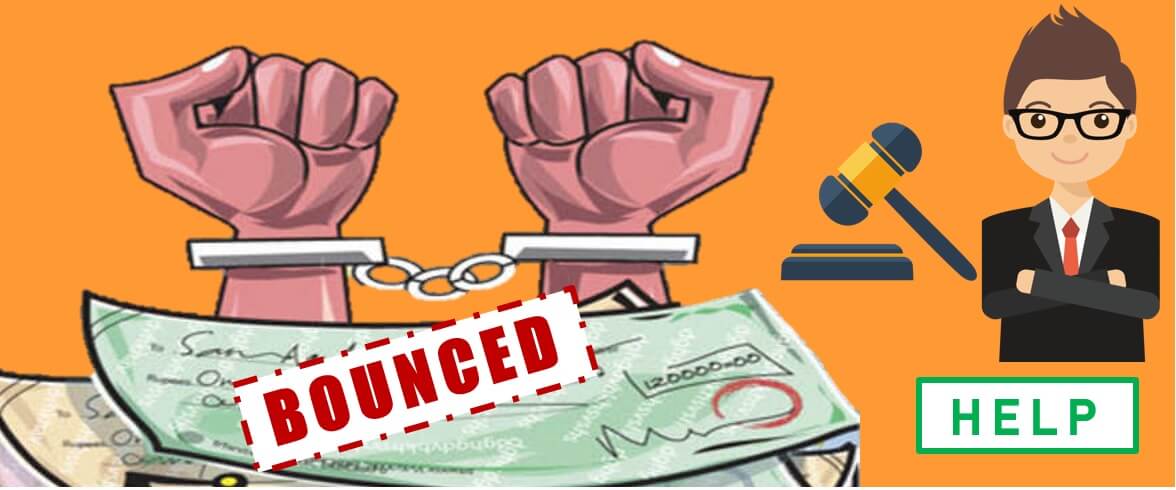
COURTKUTCHEHRY SPECIAL ON WHY A SIMPLE CHEQUE BOUNCE CASE COULD BUT YOU IN MAJOR LEGAL TROUBLE
Cheque Bounce Cases in Delhi: Why They Drag for Months and How to Stay Out of Legal Trouble
Section 138 of Negotiable Instruments Act makes cheque dishonour a criminal offence, leading to prolonged litigation
Experts advise financial discipline, digital payments, and legal awareness to avoid cheque bounce disputes
By Our Legal Reporter
New Delhi: January 06, 2026:
In Delhi and across India, cheque bounce cases have become a major burden on courts. Despite being a seemingly simple financial dispute, dishonour of a cheque under Section 138 of the Negotiable Instruments Act, 1881 is treated as a criminal offence. This means that even small amounts can lead to criminal complaints, summons, and repeated court appearances.
Also Read: Supreme Court Exempts Adani Power from Customs Duty on Electricity Supplied from Gujarat SEZ
According to lawyers and judicial officers, cheque bounce cases often take months or even years to resolve, clogging the judicial system and causing stress for both complainants and accused. The Delhi High Court and Supreme Court have repeatedly emphasized the need for reforms, but until then, individuals must take proactive steps to avoid falling into such legal traps.
Why Cheque Bounce Cases Drag On
- Criminal Nature of Offence: Section 138 makes cheque dishonour punishable with imprisonment up to two years or fine up to twice the cheque amount.
- Procedural Delays: Filing of complaint, issuance of summons, recording of evidence, and cross-examination often take months.
- High Volume of Cases: Cheque bounce cases form a significant portion of criminal dockets in metropolitan courts.
- Multiple Adjournments: Accused often seek adjournments, prolonging the trial.
- Appeals and Revisions: Even after conviction, appeals can drag the matter further.
Legal Framework
- Section 138, Negotiable Instruments Act: Cheque dishonour due to insufficient funds or stop payment is a criminal offence.
- Section 139: Presumption in favour of the holder that the cheque was issued for discharge of debt.
- Section 142: Complaint must be filed within one month of cause of action.
- Recent Reforms: Courts have introduced summary trials and mediation to reduce pendency, but delays remain common.
Real-Life Impact
- For Complainants: Months of court visits, legal fees, and uncertainty in recovering money.
- For Accused: Criminal stigma, repeated summons, and risk of conviction.
- For Courts: Heavy backlog, with cheque bounce cases forming a large share of pending matters.
What Individuals Should Do to Avoid Legal Trouble
- Maintain Sufficient Balance
- Always ensure adequate funds before issuing a cheque.
- Avoid post-dated cheques if financial position is uncertain.
- Use Digital Payments
- Prefer NEFT, RTGS, UPI, or online transfers to avoid dishonour risks.
- Digital payments provide instant confirmation and reduce disputes.
- Avoid Blank Cheques
- Never sign and hand over blank cheques.
- Fraudulent misuse can lead to criminal liability.
- Communicate with Creditors
- If unable to honour a cheque, inform the creditor in advance.
- Negotiate repayment terms to avoid legal escalation.
- Keep Records
- Maintain receipts, bank statements, and communication records.
- Helps in defending against false claims.
- Seek Legal Advice Early
- Consult a lawyer immediately if a cheque is dishonoured.
- Timely settlement or mediation can prevent criminal proceedings.
Expert Opinions
Also Read: Supreme Court Denies Bail to Umar Khalid, Sharjeel Imam: Section 43D (5) UAPA Explained
- Lawyers: Stress that cheque bounce cases are avoidable with financial discipline.
- Judges: Call for reforms to decriminalize minor cheque dishonours and shift focus to civil recovery.
- Policy Analysts: Suggest promoting digital payments to reduce reliance on cheques.
Broader Implications
- For Businesses: Cheque dishonour affects credibility and business relationships.
- For Individuals: Even small disputes can escalate into criminal cases.
- For Judiciary: Pendency of cheque bounce cases highlights need for systemic reforms.
Conclusion
Cheque bounce cases in Delhi illustrate how a simple financial dispute can turn into prolonged litigation. While the law aims to protect creditors, the criminal nature of the offence often burdens ordinary citizens and courts alike.
The best way to avoid trouble is through financial discipline, use of digital payments, and legal awareness. By ensuring sufficient funds, avoiding risky practices like blank cheques, and seeking early legal advice, individuals can protect themselves from months of court visits and criminal liability.
Keywords for Faster Searches (Google + ChatGPT)
- Cheque bounce cases Delhi courts
- Section 138 Negotiable Instruments Act India
- How to avoid cheque bounce legal trouble
- Cheque dishonour criminal offence India
- Cheque bounce litigation delays Delhi
- Digital payments vs cheque disputes India
- Legal advice for cheque bounce cases
- Cheque bounce prevention tips India
- Negotiable Instruments Act reforms India
- Cheque dishonour law explained India
Sources:
- Indian Express explainer on cheque bounce cases (Jan 2026)
- Supreme Court judgments on Section 138 NI Act
- Delhi High Court commentary on cheque bounce pendency
Article Details
- Published: 7 Jan 2026
- Updated: 7 Jan 2026
- Category: Court News
- Keywords: cheque bounce cases Delhi, Section 138 Negotiable Instruments Act explained, cheque dishonour criminal offence India, how to avoid cheque bounce legal trouble, cheque bounce litigation delays Delhi courts, NI Act Section 138 punishment
Subscribe for updates
Get curated case law updates and product releases straight to your inbox.
Join Newsletter