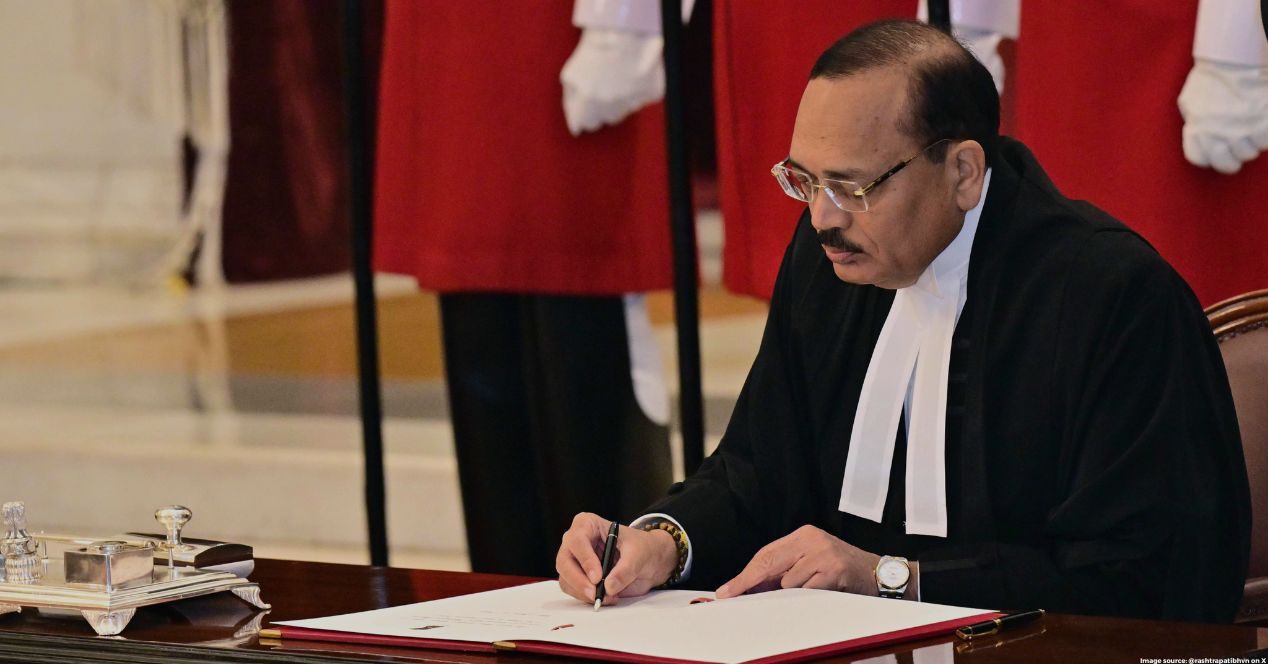
CJI Surya Kant’s Procedural Reset: Supreme Court Reforms Promise Faster, Fairer Justice for Litigants
Timelines for Oral Arguments and Priority Listings Introduced
Reforms Aim to End Delays and Improve Transparency in Supreme Court
By Our Legal Reporter
New Delhi: December 30, 2025:
The Supreme Court of India has long faced criticism for delays, unpredictable listings, and endless hearings. Chief Justice of India (CJI) Surya Kant, who assumed office in November 2025, has initiated a key procedural reset to address these challenges. Through administrative circulars, the apex court has introduced mandatory timelines for oral arguments and restructured listing priorities to ensure faster and more inclusive justice delivery.
Also Read: CBSE Suspends Gurugram School’s Affiliation; Spotlight on Rules That Protect Students Nationwide
Why These Decisions Were Needed
- Backlog of Cases: The Supreme Court has over 80,000 pending cases, many delayed due to lengthy hearings.
- Endless Arguments: Lawyers often take unlimited time, stretching hearings for months.
- Unpredictable Listings: Litigants faced uncertainty about when their cases would be heard.
- Urgent Matters Ignored: Cases involving personal liberty, senior citizens, or victims of violence often waited too long.
- Global Standards: Courts worldwide, including the International Court of Justice, already follow strict time limits for arguments.
Key Features of the Procedural Reset
- Timelines for Oral Arguments:
- Lawyers must adhere to fixed time slots.
- Written submissions required in advance.
- Prevents endless hearings.
- Restructured Listing Priorities:
- Urgent cases (bail, liberty, acid attack victims, senior citizens, persons with disabilities) get priority.
- Automatic listing of urgent matters within two working days.
- Reduced need for oral mentions before the CJI.
- Strict Adjournment Rules:
- Fewer adjournments allowed.
- Cases cannot be delayed without strong reasons.
Also Read: Delhi High Court Rules: Voice Samples for Call Matching Do Not Violate Fundamental Rights
Impact on Litigants
1. Faster Justice
- Litigants will no longer wait years for hearings.
- Urgent matters will be heard quickly.
2. Predictability
- Clear timelines reduce uncertainty.
- Litigants can plan better with fixed schedules.
3. Transparency
- Priority listings ensure fairness.
- Vulnerable groups get faster access to justice.
4. Reduced Costs
- Shorter hearings mean lower legal expenses.
- Fewer adjournments save time and money.
Broader Implications
- Judicial Efficiency: Aligns India’s Supreme Court with global best practices.
- Public Confidence: Restores faith in judiciary by reducing delays.
- Lawyer Adaptation: Advocates must prepare concise arguments and written submissions.
- Policy Continuity: Sets precedent for future CJIs to continue reforms.
Expert Views
Also Read: Delhi Moves to Decriminalize Minor Violations: Relief for Citizens and Businesses
- Legal Scholars: Call it a “historic reset” that balances efficiency with fairness.
- Senior Advocates: Some express concern about reduced oral argument time but agree it improves discipline.
- Litigants: Welcome reforms as they reduce uncertainty and costs.
Conclusion
CJI Surya Kant’s procedural reset is a landmark step in modernizing the Supreme Court. By introducing timelines for oral arguments and priority listings, the reforms directly benefit litigants through faster, fairer, and more predictable justice. The need for these changes was urgent, given India’s massive case backlog and delays. If implemented effectively, these reforms could transform the Supreme Court into a more efficient and empathetic institution.
Suggested Keywords for SEO (Google + ChatGPT)
- CJI Surya Kant Supreme Court reforms
- Procedural reset Supreme Court India
- Timelines for oral arguments SC
- Supreme Court listing priorities 2025
- Faster justice reforms India SC
- Supreme Court backlog solutions India
- Litigant impact Supreme Court reforms
- Transparency in case listings SC India
- Supreme Court adjournment rules new
- Landmark judicial reforms India 2025
Also Read: India’s Legal Net on Anti-National Propaganda: Courts Invoke UAPA and Sedition Laws Against Accused