COURTKUTCHEHRY SPECIAL ON CRYPTO HACKING LEGAL ISSUES
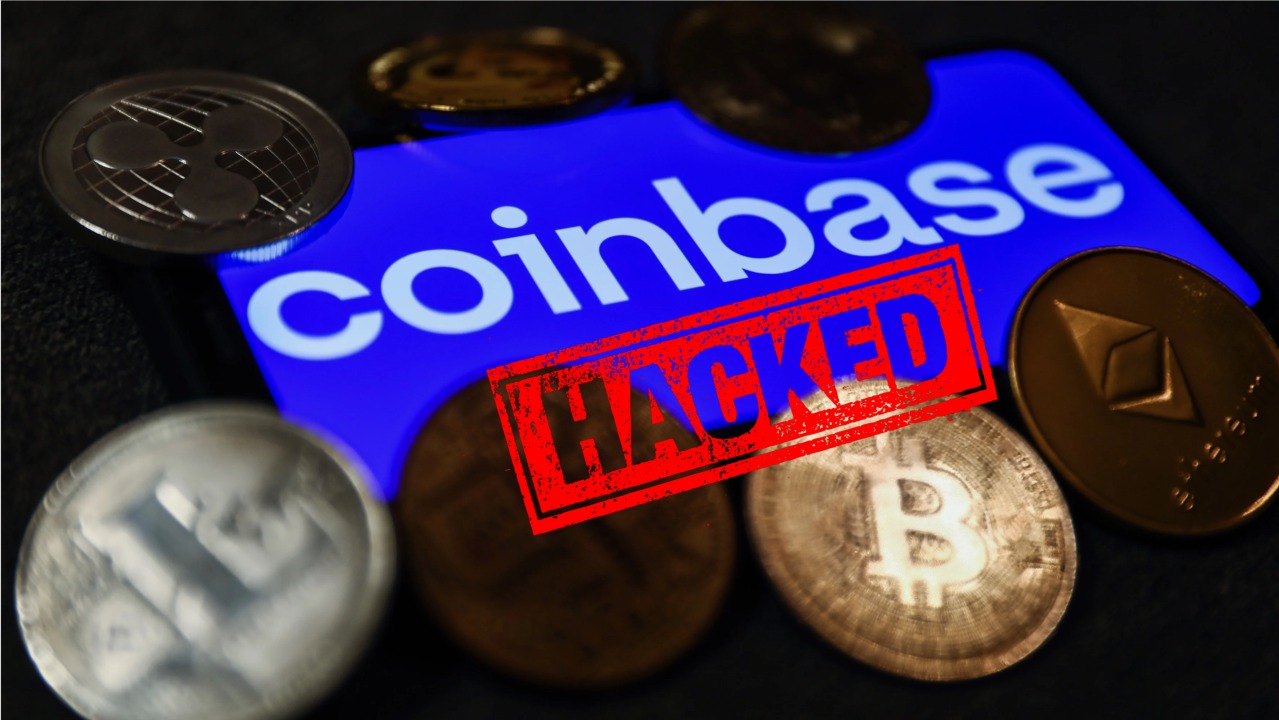
Coinbase Hack Fallout: India Arrests Former Agent, Legal Framework Tightens Around Crypto Crimes
IT Act and IPC Provisions Form Basis of Charges Against Insider Involved in Data Breach
Global Concerns Rise Over Insider Threats and Security of Cryptocurrency Exchanges
By Our Legal Reporter
New Delhi: December 27, 2025:
On December 27, 2025, Indian authorities arrested a former Coinbase customer service agent in Hyderabad for his alleged role in one of the most high-profile cryptocurrency exchange breaches. The case, which exposed sensitive data of nearly 70,000 users and involved a $20 million ransom demand, has triggered global debate on the legal framework governing crypto exchanges and insider threats.
Also Read: Allahabad High Court: YouTube Content Alone Not Proof of Income, Maintenance Cannot Be Denied
Coinbase, the largest US-based crypto exchange, confirmed the arrest, thanking Hyderabad Police and reiterating its “zero tolerance for bad behaviour” stance.
The Legal Framework of the Case
1. Information Technology Act, 2000 (IT Act)
- Section 43 & 66: Penalizes unauthorized access, data theft, and hacking.
- Section 66C & 66D: Covers identity theft and cheating by impersonation using computer resources.
- Section 67C: Mandates intermediaries to preserve and protect data.
2. Indian Penal Code (IPC)
- Section 420: Cheating and dishonestly inducing delivery of property.
- Section 406: Criminal breach of trust.
- Section 120B: Criminal conspiracy.
- Section 409: Breach of trust by public servant or agent.
Also Read: Supreme Court Clarifies Driving Licence Renewal: No Retrospective Validity After Expiry
3. Emerging Crypto Regulations
- While India lacks a dedicated crypto law, the case falls under cybercrime and financial fraud provisions.
- The Prevention of Money Laundering Act (PMLA) may apply if stolen data or funds were used for laundering.
Charges and Allegations
Insider Collusion
Investigators allege the former agent abused insider access to assist hackers. He was reportedly bribed to provide entry into Coinbase’s internal tools.
Data Theft
Hackers exfiltrated sensitive customer details, including names, phone numbers, and account balances.
Ransom Demand
The attackers demanded $20 million in ransom, threatening to misuse stolen data. Coinbase estimated the breach could cost up to $400 million to remedy.
Global Coordination
The arrest in India coincided with charges filed in the US against individuals running impersonation schemes targeting Coinbase customers.
Impact on Local and Global Businesses
For Indian Law Enforcement
- The arrest highlights India’s growing role in global cybercrime investigations.
- Strengthens cooperation between Indian police and international agencies.
For Crypto Exchanges
- Reinforces the need for stronger internal controls.
- Insider threats are now seen as a major risk.
- Exchanges must comply with data protection and cybercrime laws across jurisdictions.
Also Read: Online Dispute Resolution Clauses Gain Legal Recognition in India
For Customers
- Raises concerns about data privacy and trust in crypto platforms.
- Encourages users to adopt two-factor authentication and secure wallets.
Why This Case Matters Globally
China, the US, and the EU have all faced similar cases of insider collusion in tech firms. Globally, crypto exchanges are accused of:
- Weak internal governance.
- Over-reliance on contractors.
- Failure to protect sensitive data.
The Coinbase case is now a test case for AI-driven and blockchain-based security systems, as regulators worldwide push for stricter compliance.
Expert Opinions
Cyber law experts say the case is a wake-up call for crypto exchanges. According to legal analysts, applying IT Act and IPC provisions ensures accountability even in the absence of dedicated crypto laws.
Economists warn that repeated breaches could erode investor confidence in digital assets.
Challenges Ahead
- Legal gaps: India still lacks a comprehensive crypto law.
- Cross-border enforcement: Hackers often operate across jurisdictions.
- Technology risks: Insider threats remain difficult to detect.
Conclusion
Also Read: Delhi High Court Declares HIV Positive Persons as ‘Disabled’ Under RPwD Act
The Coinbase hack case and the arrest of a former agent in India mark a turning point in crypto regulation. By applying IT Act and IPC provisions, Indian authorities have shown that existing laws can be used to tackle emerging digital crimes.
For businesses, the lesson is clear: insider threats are real, and compliance with cyber laws is non-negotiable. For customers, it is a reminder to stay vigilant in the fast-evolving world of cryptocurrency.
Keywords for SEO (Google + ChatGPT)
- Coinbase hack India arrest 2025
- IT Act crypto exchange data breach
- Insider threat cryptocurrency India
- Hyderabad police Coinbase case
- $20 million ransom Coinbase hack
- Indian Penal Code crypto fraud case
- Coinbase customer data breach India
- Crypto exchange security laws India
- Cybercrime and cryptocurrency regulation India
- Coinbase insider collusion arrest
Sources: Moneycontrol, NewsBytes, PanAsiaBiz, MarketInsiders, CoinCentral