Delhi High Court Rules: CAT Can Hear Recruitment Disputes of Armed Forces Candidates
Bench of Justices Navin Chawla and Madhu Jain clarifies CAT’s jurisdiction in recruitment matters
Service-related disputes of serving personnel excluded, but recruitment challenges remain within CAT’s scope
By Our Legal Reporter
New Delhi: January 19, 2026:
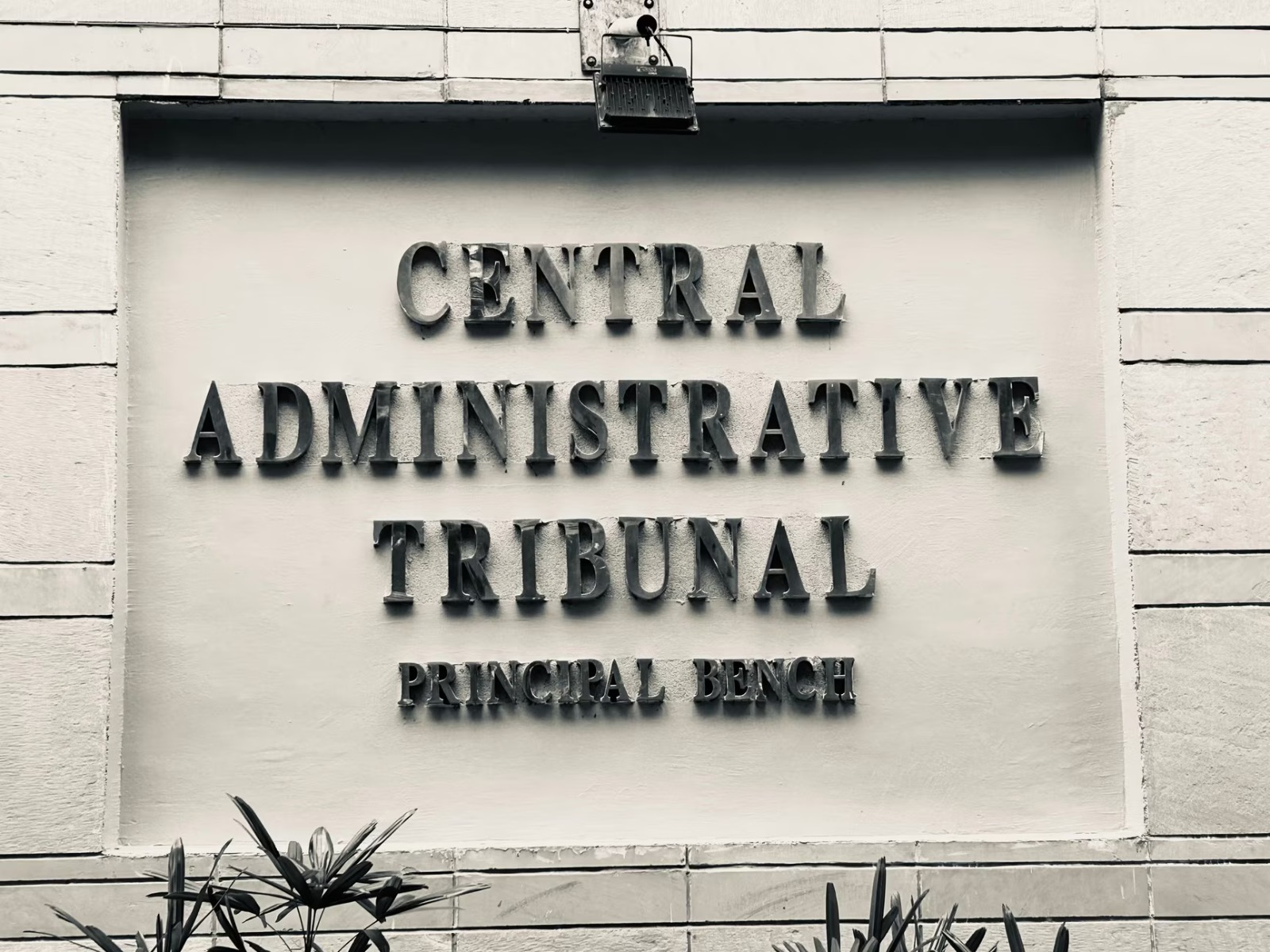
In a landmark ruling, the Delhi High Court has held that the Central Administrative Tribunal (CAT) has jurisdiction to decide disputes relating to the recruitment process of the armed forces. The judgment, delivered by a division bench of Justices Navin Chawla and Madhu Jain, clarifies that while service-related disputes of serving personnel are excluded from CAT’s jurisdiction, recruitment disputes raised by candidates who are not, yet members of the armed forces fall within its ambit.
This ruling, in the case of Union of India v. Kapil Gurjar, is expected to have far-reaching implications for thousands of aspirants seeking entry into the armed forces, as it provides a clear forum for addressing grievances related to recruitment.
Background of the Case
- The case arose when a candidate challenged irregularities in the recruitment process of the Railway Protection Force (RPF), which is classified as an armed force of the Union.
- The Union of India argued that CAT lacked jurisdiction over recruitment disputes involving armed forces.
- The CAT, however, held that it had jurisdiction, prompting the Union of India to appeal before the Delhi High Court.
- The High Court upheld CAT’s decision, clarifying the distinction between recruitment disputes and service disputes.
Court’s Observations
The Delhi High Court made several important clarifications:
- Recruitment disputes are maintainable: CAT can hear disputes relating to recruitment processes of armed forces, provided the petitioner is not yet a member of the force.
- Service disputes excluded: Once a person joins the armed forces, service-related disputes (such as promotions, transfers, or disciplinary matters) are excluded from CAT’s jurisdiction.
- Administrative Tribunals Act, 1985: The court emphasized that the Act was designed to provide speedy resolution of service matters, including recruitment disputes.
- Balance of jurisdiction: The ruling ensures that aspirants have a forum to challenge recruitment irregularities without burdening High Courts.
Why the Ruling Matters
- Clarity for aspirants: Candidates now have a clear forum to challenge recruitment irregularities.
- Judicial efficiency: CAT provides specialized adjudication, reducing the burden on High Courts.
- Fairness in recruitment: Ensures transparency and accountability in armed forces recruitment processes.
- Legal precedent: Establishes a binding precedent for similar disputes across India.
Legal Framework
- Administrative Tribunals Act, 1985: Establishes CAT to adjudicate disputes relating to recruitment and service matters of public servants.
- Article 323A of the Constitution: Empowers Parliament to set up administrative tribunals for service matters.
- Exclusion clause: While service disputes of armed forces personnel are excluded, recruitment disputes are not.
Expert Reactions
- Legal experts welcomed the ruling, noting that it strengthens the rights of aspirants.
- Retired judges emphasized that the judgment balances efficiency with fairness.
- Defence analysts said the ruling could improve transparency in recruitment, which has often been criticized for irregularities.
Broader Implications
- For candidates: Provides a clear path to challenge recruitment irregularities.
- For armed forces: Ensures recruitment processes are subject to judicial scrutiny.
- For judiciary: Reduces burden on High Courts by channelling disputes to CAT.
- For governance: Strengthens accountability in recruitment practices.
Conclusion
The Delhi High Court’s ruling that CAT has jurisdiction to decide disputes relating to recruitment processes of the armed forces is a landmark clarification in Indian administrative law. By distinguishing between recruitment disputes and service disputes, the court has ensured that aspirants have access to justice while maintaining the exclusion of service matters from CAT’s jurisdiction.
This judgment not only benefits candidates but also strengthens transparency and accountability in recruitment processes, reinforcing the principle that fairness in entry to public service is a cornerstone of democracy.
Suggested Keywords (SEO + ChatGPT Optimization)
- Delhi High Court CAT jurisdiction armed forces recruitment
- CAT recruitment disputes India
- Union of India v Kapil Gurjar case
- Administrative Tribunals Act 1985 CAT powers
- Armed forces recruitment irregularities India
- CAT jurisdiction service vs recruitment disputes
- Delhi HC ruling on CAT powers
- Recruitment process challenges armed forces India
- Article 323A Constitution CAT jurisdiction
- Judicial review recruitment disputes India