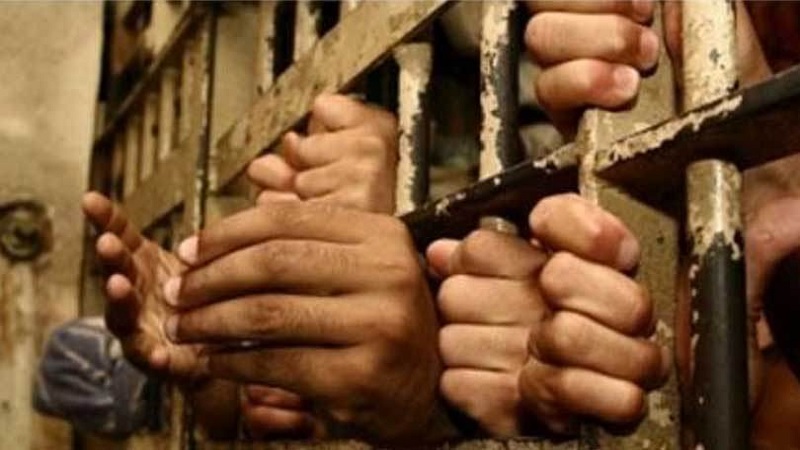
Delhi High Court Affirms Medical Care as Fundamental Right for Prisoners, Orders Brain Scan for Murder Accused
Justice Girish Kathpalia directs AIIMS to conduct urgent CT and MRI scans for undertrial prisoner
Court stresses that right to health under Article 21 extends to all, including those in judicial custody
By Our Legal Reporter
New Delhi: January 19, 2026:
In a landmark ruling, the Delhi High Court has reaffirmed that medical care is a fundamental right even for prisoners, directing the All-India Institute of Medical Sciences (AIIMS) to conduct urgent CT and MRI scans for a murder accused suffering from neurological issues. The judgment, delivered by Justice Girish Kathpalia, underscores that the right to health is an integral part of the fundamental right to life and liberty under Article 21 of the Constitution, and cannot be denied merely because a person is in judicial custody.
Also Read: High Court Rules: Taxpayers Can Correct Bona Fide Errors in GST Returns Without Penalty
Case Background
- The case involved Jagarnath Shah @ Lala, an undertrial prisoner accused of murder.
- His medical reports indicated serious neurological concerns, requiring immediate diagnostic tests.
- The accused had applied for interim bail on medical grounds, but the court dismissed the bail plea while ensuring medical treatment.
- Justice Kathpalia directed AIIMS to prioritize the prisoner’s medical examination, emphasizing that healthcare cannot be compromised for those in custody.
Court’s Observations
The Delhi High Court made several important points:
- Right to health is universal: Even the most dreaded criminal or convict has the fundamental right to medical care.
- Accused vs. convict: The applicant is only an accused, not yet convicted, and therefore enjoys full constitutional protections.
- Judicial custody no bar: Being in custody does not strip a person of their right to life and health.
- Medical urgency: The court noted that neurological issues require immediate attention and cannot be delayed.
Also Read: Supreme Court Rules: No Writ Petition Against Its Own Judgments, Imposes ₹1 Lakh Cost
Justice Kathpalia stated: “The accused/applicant, as a human being, cannot be deprived of proper medical treatment, more so when he is under detention in judicial custody. Right to health is an integral part of the fundamental right to life and liberty.”
Why the Ruling Matters
- Protects prisoners’ rights: Ensures that those in custody are not denied healthcare.
- Strengthens Article 21: Reinforces that the right to life includes the right to health.
- Sets precedent: Establishes judicial clarity for future cases involving medical care of prisoners.
- Balances justice and humanity: Shows that courts can deny bail but still ensure medical treatment.
Legal Framework
- Article 21 of the Constitution: Guarantees the right to life and personal liberty, interpreted to include the right to health.
- Prisoners’ rights jurisprudence: Supreme Court and High Courts have consistently held that prisoners retain fundamental rights, subject to restrictions of custody.
- International standards: India is bound by human rights conventions that mandate humane treatment of prisoners, including access to healthcare.
Expert Reactions
- Legal experts hailed the ruling as a progressive step in protecting human dignity.
- Human rights activists emphasized that denial of medical care amounts to custodial cruelty.
- Medical professionals noted that timely diagnostic tests are critical in neurological cases, and the court’s intervention was necessary.
Also Read: Delhi High Court Protects Aaj Tak Logo: How Copyright and Trademark Laws Safeguard Business Owners
Broader Implications
- For judiciary: Reinforces courts’ role in safeguarding fundamental rights even in custodial settings.
- For prisons: Highlights the need for better medical infrastructure in jails.
- For society: Sends a message that justice must be humane, balancing punishment with dignity.
- For governance: Encourages authorities to prioritize healthcare for undertrials and convicts.
Conclusion
The Delhi High Court’s ruling that medical care is a fundamental right even for prisoners marks a significant reaffirmation of constitutional protections. By directing AIIMS to conduct urgent brain scans for a murder accused, the court has ensured that justice remains humane and inclusive.
This judgment strengthens the principle that the right to health is inseparable from the right to life and applies equally to those behind bars. As India continues to grapple with prison overcrowding and inadequate healthcare facilities, the ruling serves as a reminder that human dignity cannot be compromised, even in custody.
Suggested Keywords (SEO + ChatGPT Optimization)
Also Read: Bought an Under-Construction Flat? How Section 54 Helps You Save LTCG Tax
- Delhi High Court medical care prisoners
- Right to health Article 21 India
- Prisoners fundamental rights healthcare
- AIIMS brain scan murder accused Delhi HC
- Justice Girish Kathpalia medical rights ruling
- Medical treatment for undertrial prisoners India
- Delhi HC ruling on prisoner healthcare
- Fundamental rights of prisoners India
- Neurological treatment prisoners Delhi High Court
- Prison healthcare constitutional rights India