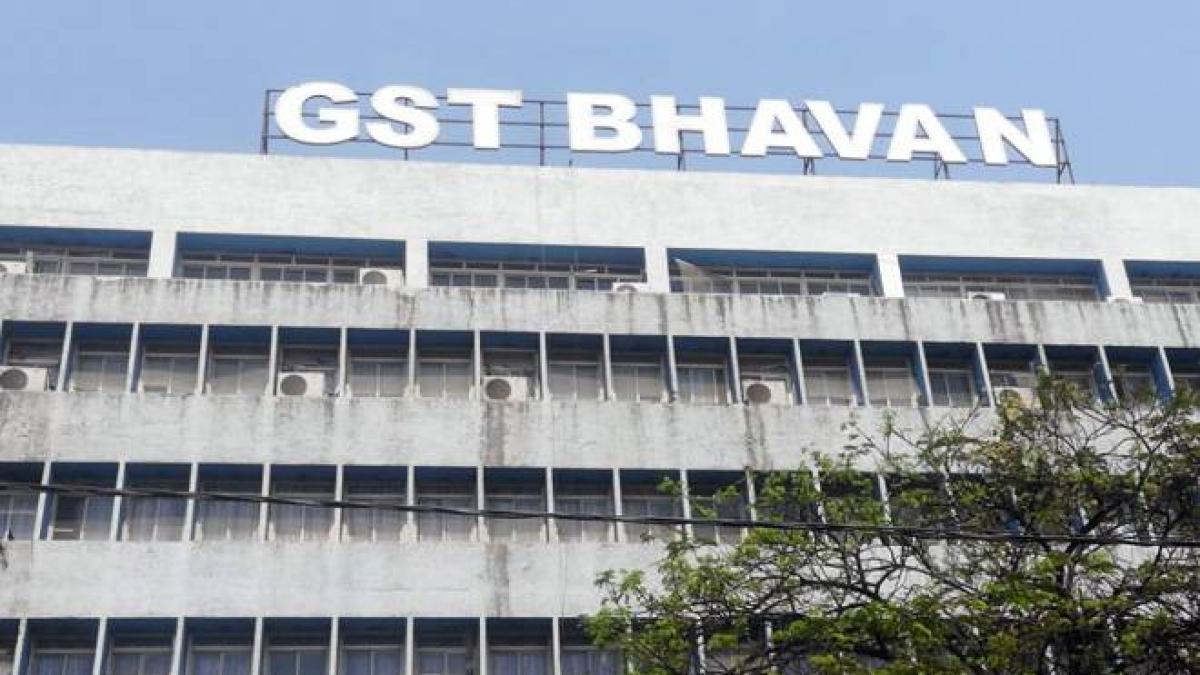
GST Superintendent Arrested in Gurugram for ₹2.5 Lakh Bribe to Activate Firm’s Tax Number
State Vigilance Bureau Trap Exposes Corruption in GST Registration Process
Case Sparks Debate on Transparency, Accountability, and Taxpayer Rights
By Our Legal Reporter
New Delhi: December 10, 2025:
In a breakthrough against corruption, the Haryana State Vigilance and Anti-Corruption Bureau (SV&ACB) arrested a GST Superintendent in Gurugram for allegedly accepting a ₹2.5 lakh bribe to activate a private firm’s Goods and Services Tax (GST) number. The accused, identified as Bharat Meena, 39, was heading the GST range office in Bahadurgarh, Jhajjar district.
The arrest has triggered widespread debate on corruption in India’s tax administration, raising questions about transparency, accountability, and the ease of doing business.
Details of the Case
- Surveillance Operation: The SV&ACB initiated surveillance on November 30, 2025, tracking Meena’s movements for a week before executing a planned trap.
- Bribe Transaction: On December 7, 2025, Meena was caught red-handed while accepting ₹2.5 lakh in Gurugram’s Basai area.
- Further Investigation: Preliminary inquiries suggest possible involvement of other officials in the GST office. Another inspector, Naresh Kumar, was later arrested in connection with the same case.
- Charges: The officials face charges under the Prevention of Corruption Act, 1988, which prescribes strict penalties for public servants accepting bribes.
Why This Case Matters
- Taxpayer Rights: Businesses rely on timely GST registration to operate legally. Delays or corruption directly affect their ability to trade.
- Ease of Doing Business: India has made strides in improving its global ranking, but corruption in tax offices undermines investor confidence.
- Systemic Issues: The case highlights loopholes in GST administration, where officials allegedly exploit their discretionary powers.
- Public Trust: Such incidents erode trust in government institutions and discourage compliance.
Legal Framework
- Prevention of Corruption Act, 1988: Defines bribery as a criminal offense, punishable with imprisonment and fines.
- GST Law: Registration is a statutory right for eligible businesses. Officials cannot delay or deny activation without valid reasons.
- Constitutional Mandate: Article 14 guarantees equality before law, meaning taxpayers must be treated fairly without discrimination or corruption.
Also Read: Supreme Court Upholds 100% GST Penalty for Wilful Suppression: AP High Court Order Confirmed
Broader Context: Corruption in Tax Administration
India has witnessed several high-profile corruption cases in tax departments:
- Income Tax Raids: Instances of officials demanding bribes for favourable assessments.
- Customs and Excise: Corruption in clearance of goods at ports.
- GST Era: Despite digitization, manual interventions in registration and compliance continue to create opportunities for bribery.
Experts argue that while GST has streamlined indirect taxation, human discretion in approvals remains a weak link.
Measures to Prevent Such Incidents
- Digitization: Expand end-to-end online processes to minimize human intervention.
- Transparency: Publish timelines and reasons for delays in GST registration.
- Whistleblower Protection: Encourage taxpayers to report corruption without fear.
- Strict Enforcement: Swift disciplinary action against corrupt officials.
- Training and Ethics: Regular sensitization programs for tax officers.
Reactions
- Business Community: Expressed relief at the vigilance bureau’s action but demanded systemic reforms.
- Legal Experts: Stressed that corruption cases must be prosecuted swiftly to deter others.
- Civil Society: Called for stronger citizen oversight and accountability mechanisms.
Also Read: Goa Nightclub Fire Exposes Illegal Operations: Luthra Brothers Face Culpable Homicide Charges
Conclusion
The arrest of a GST Superintendent in Gurugram for accepting a ₹2.5 lakh bribe is a stark reminder of the challenges India faces in ensuring clean governance. While digitization has reduced corruption in many areas, discretionary powers in tax administration continue to pose risks.
This case underscores the urgent need for systemic reforms, stronger enforcement, and greater transparency to protect taxpayers and uphold the integrity of India’s GST regime.
Suggested Keywords for Faster Searches
- GST Superintendent Gurugram bribe case
- Haryana Vigilance Bureau GST arrest
- GST registration corruption India
- Prevention of Corruption Act GST case
- Gurugram GST officer arrested for bribe
- GST number activation bribe case
- Bharat Meena GST Superintendent arrest
- Naresh Kumar GST inspector corruption
- GST corruption Haryana 2025 case
- Ease of doing business GST corruption India
Also Read: ITAT Mumbai Upholds Assessee’s 70:30 Expense Allocation Between Revenue and Capital Work-in-Progress