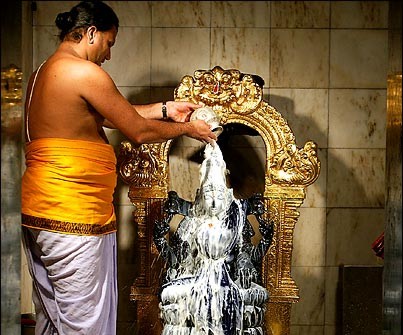
Gujarat High Court: Temple Priest Is Only Servant of Deity, Cannot Claim Land Ownership
Court Rejects Pujari’s Claim of Adverse Possession Over Temple Land
Judges Say Priests Have No Proprietary Rights, Only Duty to Serve the Deity
By Our Legal Correspondent
New Delhi: January 24, 2026:
In a landmark ruling that clarifies the legal position of temple priests in India, the Gujarat High Court has held that a pujari (temple priest) is only a servant of the deity and cannot claim ownership rights over temple land. The Court dismissed a second appeal filed by a priest challenging the removal of a Ganesh temple constructed on a public access road, ruling that long association with the temple or performance of rituals does not confer proprietary rights.
Also Read: Supreme Court Fines Centre ₹25,000 for Giving Wrong Information
The judgment, delivered by Justice J.C. Doshi on January 8, 2026, reinforces the principle that temple property belongs to the deity and is managed in trust for the public, not for personal ownership by priests.
Background of the Case
- The Dispute: The case arose when a temple priest, Rameshbhai Umakant Sharma, claimed ownership rights over a Ganesh temple built on a public road in Gujarat.
- Lower Court’s Decision: The trial court rejected his claim, holding that the temple was an encroachment on public land.
- High Court Appeal: The priest filed a second appeal, arguing that his long service and possession amounted to ownership under the doctrine of adverse possession.
- High Court Ruling: Justice Doshi dismissed the appeal, ruling that a pujari cannot claim proprietary rights or adverse possession over temple land.
Court’s Observations
The Gujarat High Court made several important points:
- Priest as Servant: A pujari is only a servant of the deity, performing rituals and maintaining the temple.
- No Proprietary Rights: Priests cannot claim ownership or hostile possession against the true owner, i.e., the deity or the trust managing the temple.
- Adverse Possession Not Applicable: Possession by a priest is not hostile or adverse but is in service of the deity and therefore cannot mature into ownership.
- Public Land Encroachment: The temple was built on a public access road, making it an illegal encroachment that could not be protected under property law.
Why This Ruling Matters
- For Temples: The ruling clarifies that temple property belongs to the deity and is managed in trust, not by individual priests.
- For Priests: It reinforces that priests are custodians and servants, not owners, of temple property.
- For Public Land: The judgment strengthens the principle that encroachments on public land cannot be justified by religious claims.
- For Legal Clarity: It provides a clear precedent for similar disputes across India, reducing litigation over temple property.
Wider Implications
- Temple Management: The ruling may influence how temple trusts and state governments regulate temple properties.
- Encroachment Cases: It sets a precedent for removing unauthorized religious structures on public land.
- Legal Awareness: The case highlights the need for priests and devotees to understand the distinction between service and ownership.
- Judicial Consistency: The judgment aligns with earlier Supreme Court rulings that recognized deities as legal persons owning temple property.
Conclusion
The Gujarat High Court’s ruling that a temple priest is only a servant of the deity and cannot claim land ownership is a landmark in clarifying property rights in religious contexts. By rejecting the claim of adverse possession and upholding the removal of an unauthorized temple, the Court has reinforced the sanctity of public land and the principle that temple property belongs to the deity, not to individuals.
This judgment will serve as a guiding precedent for courts across India, ensuring that religious devotion does not translate into personal ownership claims over temple property.
Suggested Keywords for SEO (Google + ChatGPT)
Also Read: Bombay High Court: No Parallel Contempt Jurisdiction Over NCLT in Insolvency Cases
- Gujarat High Court temple priest land ruling
- Pujari servant of deity property rights
- Adverse possession temple land Gujarat HC
- Justice J.C. Doshi temple priest case
- Ganesh temple encroachment Gujarat High Court
- Temple property ownership legal ruling India
- Deity as legal person property rights India
- Gujarat HC priest land ownership dismissal
- Temple priest proprietary rights India law
- Public land encroachment temple case Gujarat