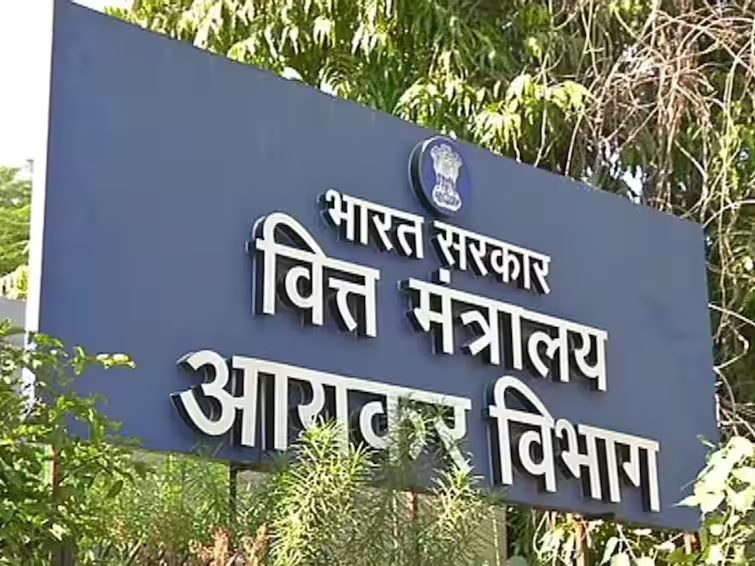
Income Tax Department Warns Taxpayers: Beware of Fake Emails and SMS Scams
Fraudsters target PAN, OTPs, and bank details by impersonating tax officials
Simple precautions can protect citizens from rising cyber frauds
By Our Legal Reporter
New Delhi: December 15, 2025:
The Income Tax Department of India has issued a strong advisory cautioning taxpayers against a growing wave of fake emails, SMS messages, and fraudulent websites that impersonate official communication channels. These scams are designed to trick people into sharing sensitive information such as PAN numbers, passwords, OTPs, and bank details.
Also Read: Crypto Rules in India After ₹2,000 Crore Scam: What Investors Must Know
The warning comes amid a sharp rise in cyber fraud cases, with scammers exploiting the busy tax season to mislead citizens. The Department has urged taxpayers to remain vigilant and rely only on the official portal www.incometax.gov.in for all tax-related services.
What the Advisory Says
- Fraudsters are sending emails and SMS messages that look like genuine Income Tax Department communications.
- These messages often contain links to fake websites that mimic the official portal.
- Victims are tricked into entering personal details, which are then stolen for financial fraud.
- The Department clarified that it never asks for OTPs, passwords, or banking details via email or SMS.
Officials emphasized that taxpayers should verify the authenticity of all communications and ignore suspicious links.
Why Taxpayers Are Targeted
Cybercriminals often target taxpayers because:
- PAN and Aadhaar numbers are linked to financial accounts.
- Senior citizens are more vulnerable due to limited digital literacy.
- The tax season creates urgency, making people more likely to click on fraudulent links.
Real-Life Examples of Scams
- Fake emails claiming “Your tax refund is ready” with links to phishing sites.
- SMS messages warning “Your PAN will be blocked unless you verify immediately.”
- Fraudulent websites that look identical to the official Income Tax portal.
These scams exploit fear and urgency to trick taxpayers into sharing confidential information.
Do’s and Don’ts to Stay Safe
✅ Do’s
- Use only the official portal: Always log in at www.incometax.gov.in.
- Verify sender details: Check if emails are from @incometax.gov.in.
- Enable two-factor authentication for your email and banking accounts.
- Report suspicious messages: Forward phishing emails to webmanager@incometax.gov.in.
- Update antivirus software regularly to block malicious links.
- Educate family members, especially senior citizens, about cyber safety.
❌ Don’ts
- Do not click on unknown links in emails or SMS.
- Never share OTPs, passwords, or PAN details over phone or email.
- Avoid downloading attachments from unverified sources.
- Do not trust refund messages without checking the official portal.
- Never respond to urgent threats like “account blocked” without verification.
Expert Opinions
Cybersecurity experts say the rise in scams highlights the need for digital literacy. They recommend:
- Regular awareness campaigns by the government.
- Stronger penalties for cybercriminals.
- Collaboration between banks, telecom operators, and tax authorities to block fraudulent domains.
Impact on Citizens
The advisory is particularly important for:
Also Read: Budget 2026: Married Couples May Get Joint Taxation Option with ₹6–8 Lakh Family Exemption
- Senior citizens, who are more vulnerable to scams.
- Small business owners, who rely heavily on digital tax filing.
- First-time taxpayers, who may not recognize fake communication.
By following the Do’s and Don’ts, citizens can protect themselves from financial loss and identity theft.
Broader Context: Rise in Cyber Frauds in India
India has seen a sharp increase in cybercrime cases:
- According to government data, over 1.3 million cyber fraud complaints were registered in 2024.
- Financial frauds, including phishing and OTP scams, account for nearly 60% of cases.
- The rise of digital payments and online tax filing has created new opportunities for fraudsters.
Conclusion
The Income Tax Department’s advisory is a timely reminder that cyber frauds are on the rise and taxpayers must remain cautious. By following simple safety measures—such as using only the official portal, avoiding suspicious links, and never sharing OTPs—citizens can protect themselves from scams.
This ruling reinforces the principle that digital trust is essential for India’s tax system. As cybercriminals become more sophisticated, awareness and vigilance remain the best defence.
GEO Keywords for Faster Searches
- Income Tax Department fake email warning
- SMS scams targeting taxpayers India
- Cyber fraud prevention tips India
- PAN OTP phishing scams
- Income Tax phishing advisory 2025
- Tax refund scam India
- Cyber safety for senior citizens India
- Income Tax Department official portal
- How to avoid phishing emails India
- Income Tax cyber fraud awareness