CourtKutchehry Special Story:
India Embraces AI While Guarding Against Misuse: Balancing Innovation and Regulation in a Fast-Changing World
Government and Supreme Court Explore AI Tools for Efficiency, But Stress Need for Safeguards
Global Challenge: Harnessing AI’s Benefits While Preventing Fake Content, Bias, and Privacy Risks
By Our Legal Correspondent
New Delhi: December 06, 2025:
Artificial Intelligence (AI) is transforming industries, governance, and daily life at an unprecedented pace. From chatbots and generative engines to predictive analytics and judicial support tools, AI promises efficiency and innovation. Yet, it also raises concerns about misuse, misinformation, bias, and privacy violations.
Also Read: RBI Bars Pakistan, Bangladesh Citizens from Carrying Indian Notes to Nepal and Bhutan
India, like many countries, is grappling with this dual challenge: how to use AI responsibly while preventing its misuse. The Government of India (GOI) and the Supreme Court of India (SCI) have recently taken steps to adopt AI while drafting safeguards to regulate its use.
Government of India’s Approach
The Ministry of Electronics and Information Technology (MeitY) has published draft amendments to the Information Technology Rules, 2021, specifically targeting AI-generated content. These rules seek to:
- Prevent the spread of deepfakes and fake news.
- Ensure accountability of platforms hosting AI-generated material.
- Invite public consultation to balance innovation with regulation.
The GOI has also launched initiatives like the IndiaAI Mission, aimed at promoting AI research, startups, and ethical frameworks. The mission emphasizes:
- Responsible AI adoption in healthcare, agriculture, and education.
- Data protection and privacy safeguards.
- Collaboration with global partners to align with international standards.
Supreme Court of India’s Role
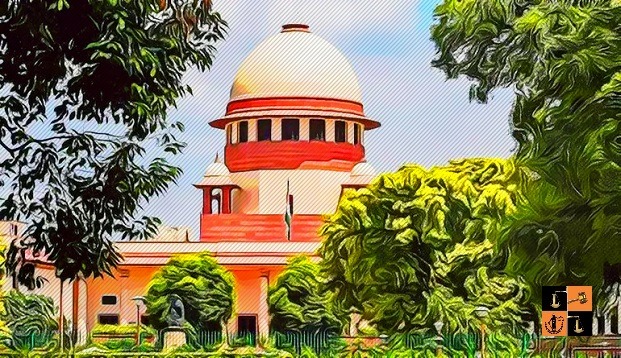
The Supreme Court has acknowledged both the promise and risks of AI. Recently, it dismissed a Public Interest Litigation (PIL) seeking judicial guidelines on AI misuse, noting that the government is already addressing the issue.
Also Read: Security Guard in Mumbai Gets ₹2.2 Crore Tax Notice After Fraudsters Use His PAN for Shell Company
Key points from the Court’s stance:
- AI can assist in judicial tasks like translation, case summarization, and record management.
- However, AI cannot replace judicial reasoning or create binding precedents.
- Concerns about fake judgments or fabricated case law generated by AI are valid, but must be addressed administratively, not through judicial orders.
The Court has encouraged stakeholders to submit suggestions via email for structured AI adoption in the judiciary, reflecting openness to innovation while maintaining caution.
The Global Challenge
India’s balancing act mirrors challenges faced worldwide:
- United States: Regulators are debating AI’s role in elections, misinformation, and copyright.
- European Union: The EU AI Act is one of the first comprehensive frameworks, classifying AI systems by risk levels.
- China: Aggressive adoption of AI in governance is paired with strict censorship and content controls.
Every country faces the same dilemma: how to harness AI’s benefits without letting it spiral into misuse.
Risks of Misuse
AI misuse can take many forms:
- Deepfakes: Fake videos or audio clips that mislead the public.
- Bias: AI systems trained on flawed data can reinforce discrimination.
- Privacy Violations: Unauthorized use of personal data for profiling.
- Fake Judgments: In judicial contexts, AI could generate non-existent precedents, confusing litigants.
Also Read: MahaRERA Rules: Conditional Occupation Certificate Not Enough, Builders Must Compensate Homebuyers
These risks highlight why regulation and oversight are as important as innovation.
Benefits of Responsible AI
Despite risks, AI offers immense benefits when used responsibly:
- Judiciary: Faster case management, translation of judgments into regional languages, and improved access to justice.
- Governance: Predictive analytics for policymaking, fraud detection, and citizen services.
- Healthcare: AI-driven diagnostics, drug discovery, and telemedicine.
- Education: Personalized learning tools and digital classrooms.
India’s challenge is to maximize these benefits while minimizing risks.
Expert Opinions
- Legal Experts: “The Supreme Court’s cautious approach ensures AI supports, not replaces, judicial reasoning.”
- Tech Analysts: “India’s draft IT rules show the government is serious about tackling deepfakes and misinformation.”
- Global Observers: “India’s balancing act reflects a universal challenge—innovation must walk hand-in-hand with regulation.”
Conclusion
The Government of India and Supreme Court are both embracing AI while drafting safeguards against misuse. This reflects a broader global struggle: balancing innovation with regulation.
India’s approach—consultative, cautious, and forward-looking—shows that while AI is inevitable, its adoption must be responsible, ethical, and transparent. As technology evolves, the challenge will be to ensure that AI remains a tool for progress, not a weapon of misuse.
🔑 Suggested Keywords for SEO & Faster Searches
Also Read: Supreme Court Clarifies Voyeurism Law: Photos of Women in Public Not Covered Under IPC Section 354C
- India AI regulation Supreme Court
- Government of India AI draft rules
- AI misuse prevention India
- Supreme Court AI judiciary ruling
- Responsible AI adoption India
- Deepfake regulation India
- IndiaAI Mission MeitY
- AI benefits and risks India
- Global AI regulation challenges
- AI innovation vs misuse India