COURTKUTCHEHRY SPECIAL ON INDIA-EU FTA & TARIFFS & DUTIES RULES IN CROSS BORDER TRADES
India-EU Free Trade Agreement: Zero Tariffs on Gems, Jewellery, Plastics – Why It’s Called the Mother of All Deals
FTA to boost India’s exports and diversify markets beyond the US
Tariffs and duties explained – how they shape cross-border trade
By Our Business Reporter
New Delhi: January 27, 2026:
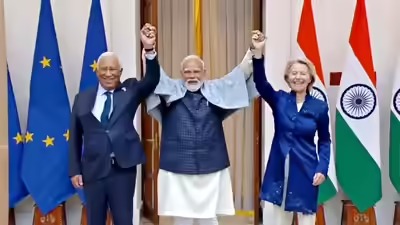
After nearly two decades of negotiations, India and the European Union (EU) have concluded talks on a comprehensive Free Trade Agreement (FTA). The deal, signed today but likely be implemented in 2027, is being hailed as the “mother of all trade deals” because of its scale, impact, and strategic importance. Covering economies that together represent nearly a quarter of global GDP, the agreement will eliminate tariffs on several sectors, including gems, jewellery, plastics, textiles, and automobiles, while opening new opportunities for Indian exporters.
Also Read: DTCP Serves Notice as Gurgaon Developer’s Commercial Project Licence Lapses
What is an FTA?
- Definition: A Free Trade Agreement (FTA) is a pact between two or more countries to reduce or eliminate tariffs, duties, and trade barriers on goods and services.
- Purpose: FTAs aim to promote smoother trade flows, increase market access, and encourage investment.
- Examples: India has signed FTAs with ASEAN, Japan, and Australia. The India-EU FTA will be its 19th trade deal.
Role of Tariffs and Duties in Cross-Border Trade
- Tariffs: Taxes imposed on imported goods. They protect domestic industries but make imports costlier.
- Duties: Specific charges levied on goods, often based on value or quantity.
- Impact:
- High tariffs discourage imports and limit consumer choice.
- Low or zero tariffs encourage trade, reduce costs, and make exports competitive.
- India-EU Context:
- India will benefit from zero tariffs on gems, jewellery, and plastics, boosting its export competitiveness.
- EU wines and automobiles will get duty concessions in India, balancing trade flows.
Why It’s Called the “Mother of All Deals”
- Scale: Covers trade between India and 27 EU nations, impacting nearly 2 billion people.
- Economic Value: Expected to boost India’s exports significantly, especially in sectors like textiles, gems, and IT services.
- Strategic Importance: Helps India diversify away from dependence on the US market, especially after recent tariff hikes by Washington.
- Duration of Negotiations: Talks began in 2007 and concluded after 18 years, making it one of the longest trade negotiations in India’s history.
- Global Positioning: Strengthens India’s role in global supply chains and aligns with EU’s strategy to reduce reliance on China.
Key Benefits for India
- Gems and Jewellery: India is the world’s largest exporter of cut and polished diamonds. Zero tariffs will make Indian jewellery more competitive in Europe.
- Plastics and Chemicals: Indian manufacturers will gain access to EU markets at lower costs.
- Textiles and Apparel: Duty-free access will boost India’s garment exports.
- IT and Services: Easier movement of professionals and recognition of qualifications.
- Automobiles: Indian auto parts will face reduced duties, while EU cars will enter India with concessions.
Challenges and Concerns
Also Read: Bollywood vs South Cinema: How Legal Battles Shape India’s Film Industry
- Domestic Industry Protection: Indian wine and automobile sectors fear competition from EU imports.
- Regulatory Standards: EU has strict quality and environmental standards, which Indian exporters must meet.
- Implementation Timeline: Legal vetting and ratification may delay full implementation until 2027.
- Balancing Trade Deficit: India must ensure exports grow faster than imports to avoid widening the deficit.
Global Trends and Strategic Context
- Shift in Trade Alliances: With US tariffs rising, India is diversifying trade partnerships.
- EU Strategy: The EU seeks reliable partners amid geopolitical tensions with Russia and China.
- India’s Position: Strengthens India’s role as a manufacturing hub and alternative supply chain partner.
Conclusion
Also Read: Indian EMIs for Dubai Dream Homes Face Legal Roadblocks
The India-EU FTA is rightly called the “mother of all trade deals” because of its scale, impact, and strategic importance. By eliminating tariffs on key sectors and opening new markets, the deal promises to transform India’s export landscape. While challenges remain, the agreement marks a turning point in India’s trade diplomacy and global economic positioning.
Suggested Keywords for Faster Searches
- India EU FTA 2026 explained
- Mother of all trade deals India EU
- Zero tariffs’ gems jewellery plastics India EU FTA
- India EU trade pact benefits challenges
- Free Trade Agreement tariffs duties explained
- India EU FTA impact on exports
- India EU FTA wine automobile concessions
- India EU FTA global trade strategy
Also Read: AI Revolution in Law: How Technology is Speeding Up India’s Courts and Global Legal Services