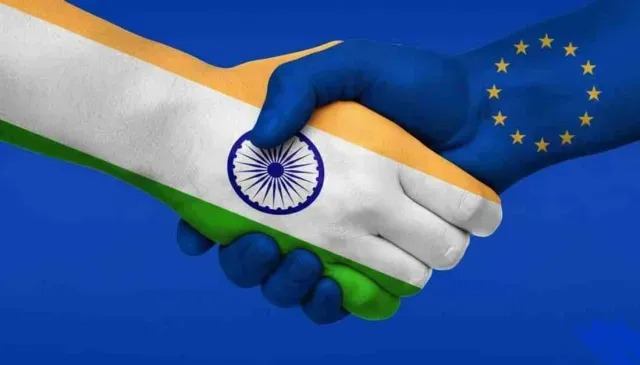
India-EU FTA: Big Export Gains, But Domestic Industries Brace for Challenges
Zero tariffs to boost gems, jewellery, plastics, and textiles exports
Indian wine and auto sectors fear competition from European imports
By Business Reporter
New Delhi: January 27, 2026:
India’s long-awaited Free Trade Agreement (FTA) with the European Union has been hailed as the “mother of all trade deals.” After nearly 18 years of negotiations, the pact promises to reshape India’s export landscape by eliminating tariffs on key sectors such as gems, jewellery, plastics, textiles, and chemicals.
But while exporters celebrate, several domestic industries — particularly wine, automobiles, and dairy — are bracing for stiff competition from European imports. This editorial-style analysis explores the opportunities and challenges the deal presents for India’s economy.
Export Gains: Why India is Excited
- Gems and Jewellery: India is the world’s largest exporter of cut and polished diamonds. Zero tariffs will make Indian jewellery more competitive in Europe, potentially boosting exports by billions.
- Plastics and Chemicals: Indian manufacturers will gain duty-free access to EU markets, reducing costs and expanding reach.
- Textiles and Apparel: Duty-free access will help India compete with Bangladesh and Vietnam, which already enjoy preferential treatment in Europe.
- IT and Services: Easier movement of professionals and recognition of qualifications will strengthen India’s services exports.
These sectors stand to benefit enormously, diversifying India’s trade beyond the US and reducing dependence on volatile markets.
Domestic Industry Concerns
1. Wine and Alcohol
- The EU is pushing for lower tariffs on wines and spirits.
- Indian producers fear that cheaper European wines could dominate the market, hurting local vineyards.
- Critics argue that India’s nascent wine industry needs protection before facing global competition.
Also Read: Delhi High Court Upholds 10-Year Sentence in Digital Rape Case Involving Mother and Son
2. Automobiles
- European automakers, especially German luxury brands, will gain easier access to India.
- Domestic manufacturers worry about losing market share, particularly in premium segments.
- Industry bodies have urged the government to balance concessions with safeguards for local players.
3. Dairy and Agriculture
- EU dairy products could enter India at lower tariffs, raising concerns among local farmers.
- India’s dairy sector, dominated by small cooperatives, may struggle to compete with large European producers.
Why Tariffs and Duties Matter
- Tariffs protect domestic industries by making imports more expensive.
- Zero or reduced tariffs encourage imports, increasing consumer choice but challenging local producers.
- In the India-EU FTA, tariff reductions will benefit exporters but expose sensitive sectors to competition.
This balancing act is at the heart of trade negotiations — opening markets while safeguarding vulnerable industries.
Why It’s Called the “Mother of All Deals”
- Scale: Covers trade between India and 27 EU nations.
- Economic Value: Expected to boost India’s exports significantly.
- Strategic Importance: Helps India diversify away from dependence on the US market.
- Duration: Talks began in 2007 and concluded after 18 years.
- Global Positioning: Strengthens India’s role in global supply chains and aligns with EU’s strategy to reduce reliance on China.
Balancing Opportunities and Risks
The government faces a delicate task:
- Encourage exporters to seize new opportunities in Europe.
- Support domestic industries with transition measures, subsidies, or phased tariff reductions.
- Ensure quality standards so Indian products meet strict EU regulations.
Conclusion
The India-EU FTA is a landmark achievement that will boost exports and strengthen India’s global trade position. But it also poses challenges for domestic industries that must now compete with European imports.
The deal is rightly called the “mother of all trade deals” — not just for its scale, but for the balancing act it demands between global opportunity and local protection.
Also Read: Madras High Court: Non-Citizens Cannot Be Fired Solely for Nationality, Relief to Sri Lankan Refugee
Suggested Keywords for Faster Searches
- India EU FTA domestic industry challenges
- India EU trade pact wine automobile dairy impact
- Mother of all trade deals India EU explained
- India EU FTA zero tariffs gems jewellery plastics
- Tariffs duty’s role in cross-border trade India EU
- India EU FTA benefits and risks
- India EU FTA impact on Indian exporters
- India EU FTA challenges for local industries
Also Read: WhatsApp Rolls Out Strict Account Settings: New Privacy Shield Against Cyber Threats