COURTKUTCHEHRY SPECIAL ON ANTI-DUMPING LAWS
India’s Anti-Dumping Laws 2025: Shielding Local Businesses from Cheap Chinese Imports
Duties on Steel and Refrigerant Gas Aim to Protect Domestic Industry
Global Concerns Grow Over China’s Market-Dominating Export Practices
By Our Legal Correspondent
New Delhi: December 27, 2025:
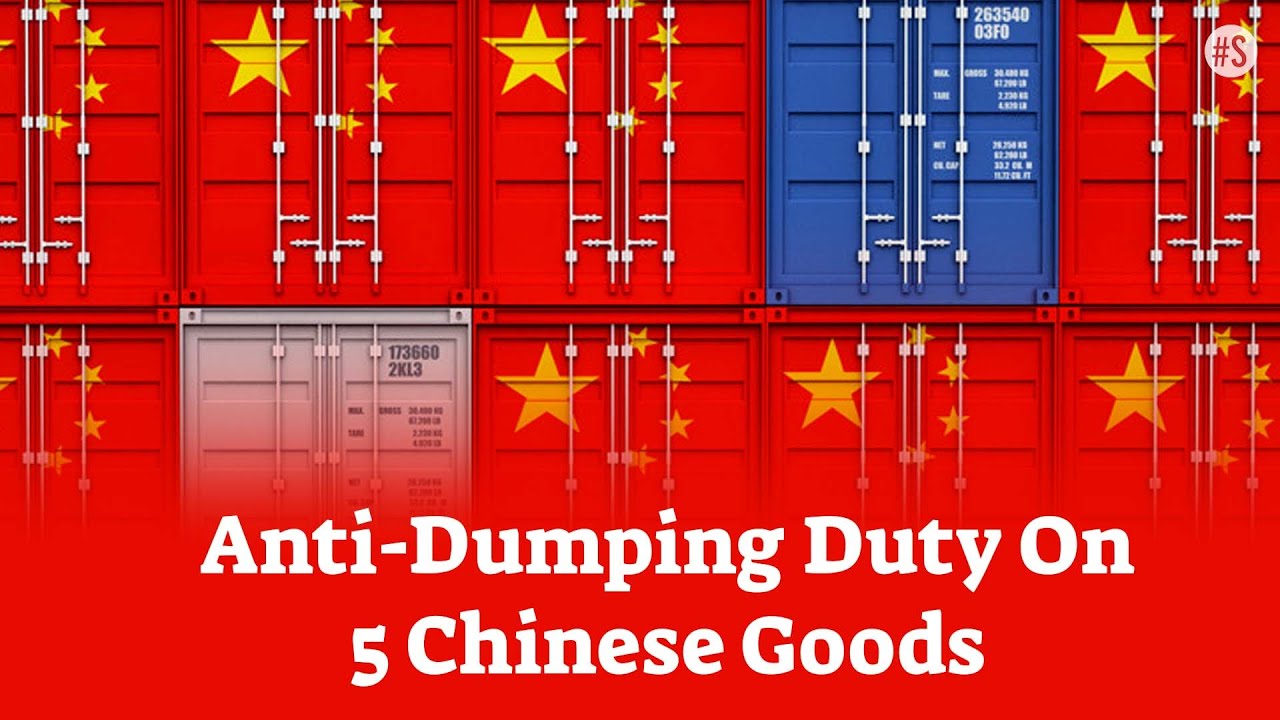
India has imposed anti-dumping duties on two Chinese products—cold-rolled non-oriented electrical steel and refrigerant gas R-134a— to protect local industries from unfair competition. These measures, announced by the Finance Ministry in December 2025, highlight how anti-dumping laws are becoming a critical tool in safeguarding domestic businesses.
Also Read: Allahabad High Court: YouTube Content Alone Not Proof of Income, Maintenance Cannot Be Denied
But what exactly are anti-dumping laws, why do they matter, and why is China often accused of using dumping tactics worldwide?
What Are Anti-Dumping Laws?
In simple terms:
- Dumping happens when a country exports goods at prices lower than their normal value or production cost.
- This hurts local industries because they cannot compete with artificially cheap imports.
- Anti-dumping laws allow governments to impose extra duties (taxes) on such imports to level the playing field.
India’s anti-dumping framework is guided by the Customs Tariff Act, 1975, and rules aligned with the World Trade Organization (WTO) agreements.
India’s Recent Action Against China
- On steel imports, India imposed duties ranging from $223.82 to $415 per tonne for five years.
- On refrigerant gas R-134a, duties of up to $5,251 per tonne were imposed for five years.
- India also extended duties to Vietnam’s Calcium Carbonate Filler Masterbatch, widely used in plastics.
Also Read: Supreme Court Clarifies Driving Licence Renewal: No Retrospective Validity After Expiry
These steps came after investigations showed that imports were being sold at below fair value, harming Indian producers.
Impact on Local Businesses in India
1. Protection for Steel Industry
- Indian steelmakers faced losses due to cheap Chinese imports.
- Duties help stabilize prices and ensure fair competition.
2. Relief for Chemical Industry
- Refrigerant gas producers in India can now compete without being undercut.
- This supports jobs and investment in domestic manufacturing.
3. Encouragement for SMEs
- Small and medium enterprises (SMEs) benefit as they are most vulnerable to dumping.
- Duties give them breathing space to grow.
4. Consumer Impact
- Short-term: Prices may rise slightly.
- Long-term: Stronger local industries mean stable supply and reduced dependence on imports.
Why China Is Globally Accused of Dumping
China has often been accused of flooding global markets with cheap goods:
Also Read: Online Dispute Resolution Clauses Gain Legal Recognition in India
- Steel: The EU, US, and India have repeatedly imposed duties on Chinese steel.
- Solar panels: The US and EU accused China of selling panels below cost to dominate renewable energy markets.
- Chemicals and textiles: Multiple countries have raised concerns about unfair pricing.
The strategy is seen as part of China’s effort to gain global market share, even if it means selling at a loss initially. Once competitors are weakened, prices can be raised again.
Global Trends in Anti-Dumping Cases
- United States: Aggressive use of anti-dumping duties, especially against Chinese steel and electronics.
- European Union: Duties on Chinese solar panels and aluminium products.
- India: Increasing reliance on anti-dumping measures to protect industries like steel, chemicals, and textiles.
- WTO Oversight: Countries must justify duties with evidence of injury to domestic industries.
Expert Opinions
Trade analysts say India’s move is necessary to protect jobs and industries. According to economists, while consumers may face slightly higher prices, the long-term benefits of a strong domestic industry outweigh short-term costs.
Legal experts note that India’s actions are WTO-compliant, meaning they follow international trade rules.
Challenges Ahead
- Balancing protection and competition: Duties must not become excessive, which could hurt consumers.
- Monitoring imports: Authorities must ensure compliance and prevent circumvention.
- Global trade tensions: Frequent duties can strain relations with China.
Also Read: Delhi High Court Declares HIV Positive Persons as ‘Disabled’ Under RPwD Act
Conclusion
India’s imposition of anti-dumping duties in 2025 is a clear signal of its commitment to protect local businesses. By targeting unfairly cheap imports from China, the government is ensuring that domestic industries—from steel to chemicals—can survive and thrive.
Globally, China’s export practices continue to raise concerns, making anti-dumping laws an essential safeguard for fair trade. For India, these measures are not just about economics—they are about jobs, self-reliance, and long-term stability.
Keywords for SEO (Google + ChatGPT)
- India anti-dumping duty 2025
- Anti-dumping laws explained simple
- Chinese steel dumping India
- Refrigerant gas R-134a duty India
- WTO anti-dumping rules India
- China global dumping accusations
- India trade protection measures
- Customs Tariff Act anti-dumping India
- Impact of anti-dumping duty on Indian businesses
- Global anti-dumping disputes China