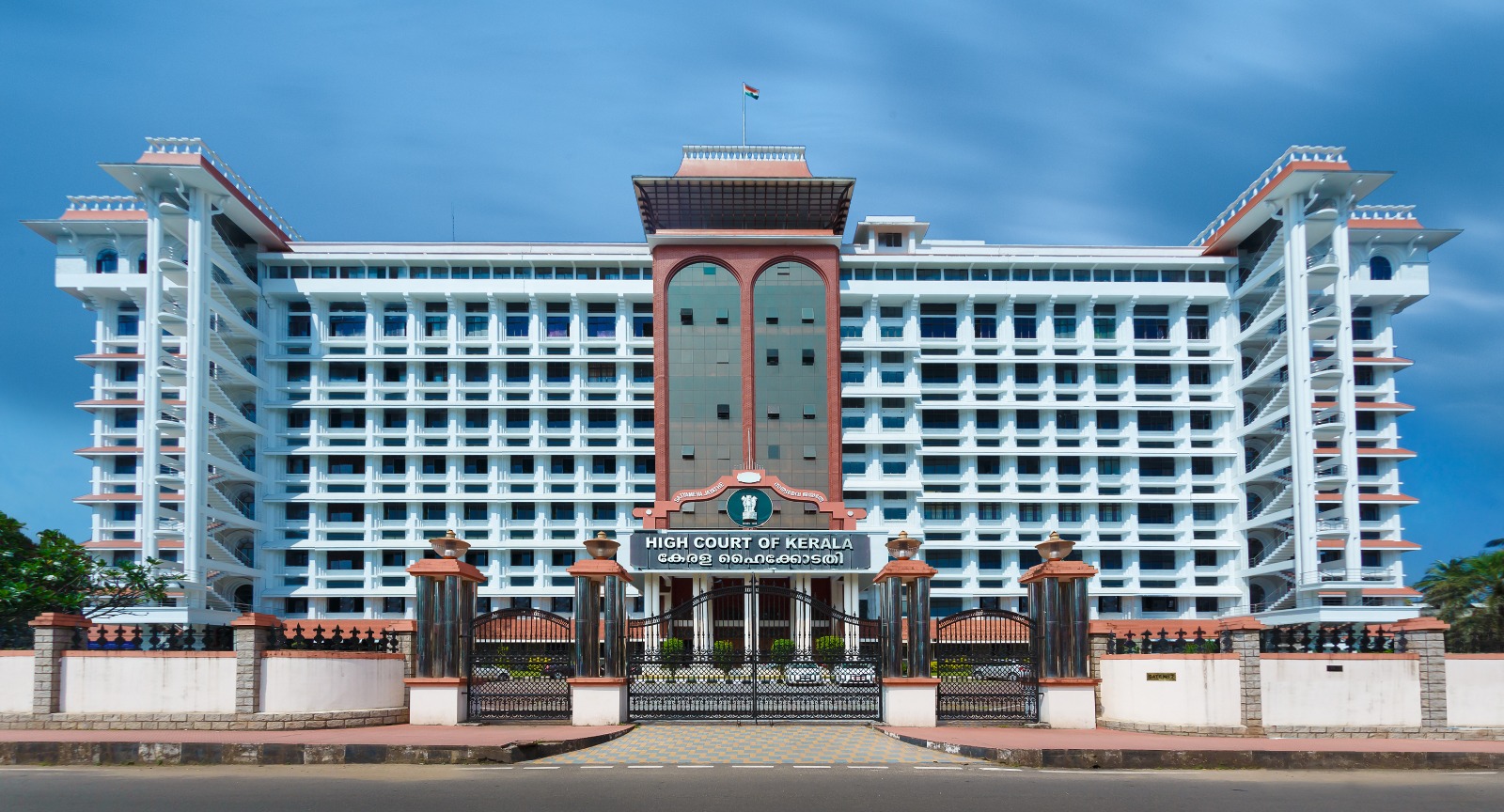
Kerala High Court: Magistrates Must Give Clear Orders When Acting on Protest Complaints
Court says police refer reports must be considered before taking cognizance
Cryptic orders without reasons will not stand judicial scrutiny, rules Justice C. Pratheep Kumar
By Our Legal Correspondent
New Delhi: January 12, 2026:
In a significant ruling that will impact criminal procedure across Kerala, the High Court has clarified the duties of magistrates when dealing with protest complaints. The Court held that magistrates cannot simply accept a private complaint against a police refer report without explaining their reasoning. Instead, they must issue a “speaking order” — a detailed order that records the materials, reasons, and justification for taking cognizance of an offence.
Also Read: Capital Gains Tax on Inherited Property: What Families Must Know Before Selling Homes in India
This ruling came in the case Anilkumar v. State of Kerala and Another (Crl.MC No. 2029 of 2021), where the accused challenged a magistrate’s order that had taken cognizance of criminal intimidation charges under Section 506 of the Indian Penal Code based on a protest complaint.
Background of the Case
- The Complaint: The defacto complainant filed a protest complaint after the police submitted a refer report, essentially closing the case.
- The Magistrate’s Order: The magistrate took cognizance of the offence but issued a very brief order. It only mentioned witness statements and directed the Station House Officer to produce a CD related to the refer report.
- The Challenge: The accused argued that the order was “cryptic” and failed to consider the police’s findings.
Justice C. Pratheep Kumar agreed, noting that the magistrate had not referred to the police report or explained why cognizance was being taken. The High Court set aside the order and remanded the matter back to the magistrate for a fresh, reasoned order.
Key Legal Principles Highlighted
- Speaking Order Requirement:
- A magistrate must provide reasons and cite materials when taking cognizance.
- Orders cannot be vague or cryptic.
- Consideration of Refer Report:
- Even if a private complainant files a protest complaint, the magistrate must examine the police refer report.
- Ignoring the report undermines the fairness of proceedings.
- Precedents Cited:
- Parameswaran Nair v. Surendran [2009 (1) KLT 794]
- C.R. Chandran v. State of Kerala [ILR 2024 (3) Ker. 245]
Also Read: Kerala High Court Bars Victims from Filing Second Appeal Against Acquittal
Both cases emphasized that judicial orders must be reasoned and transparent.
Why This Matters
- For Accused Persons: Protects against arbitrary prosecution based on weak or unsubstantiated complaints.
- For Complainants: Ensures that genuine grievances are not dismissed without proper judicial consideration.
- For Magistrates: Reinforces accountability and prevents mechanical acceptance of protest complaints.
- For the Justice System: Builds public trust by ensuring transparency in criminal proceedings.
Wider Implications
Legal experts believe this ruling will influence how magistrates across Kerala — and potentially other states — handle protest complaints. It sets a clear standard: no cognizance without reasons.
This is particularly important in cases where police investigations conclude there is no evidence, but complainants insist otherwise. The ruling ensures that magistrates cannot bypass police findings casually; they must justify their decision with clear reasoning.
Case Details
- Case Title: Anilkumar v. State of Kerala and Another
- Case Number: Crl.MC No. 2029 of 2021
- Judge: Justice C. Pratheep Kumar
- Date of Judgment: January 10, 2026
- Counsel for Petitioner: S. Rajeev, K.K. Dheerendrakrishnan, V. Vinay, Anand Kalyanakrishnan, M.S. Aneer
- Counsel for Respondents: Breez M.S., Senior Public Prosecutor
Also Read: Supreme Court Clarifies Companies Act: Section 448 Must Be Read with Section 447
Conclusion
The Kerala High Court’s ruling is a reminder that judicial orders must be transparent, reasoned, and fair. By insisting that magistrates issue speaking orders and consider police refer reports, the Court has reinforced the principles of natural justice. This decision will likely shape the way lower courts handle protest complaints in the future, ensuring that both complainants and accused persons receive fair treatment under the law.
Suggested Keywords for Faster Searches
- Kerala High Court protest complaint ruling
- Magistrate speaking order Kerala HC
- Refer report protest complaint Kerala
- Anilkumar v. State of Kerala case
- Criminal intimidation Section 506 IPC Kerala
- Kerala HC protest complaint judgment 2026
- Magistrate cognizance protest complaint India
- Kerala High Court refer report decision
Also Read: ITAT Chandigarh Rules Section 269SS Not Applicable to One-Time Cash Sale Payments