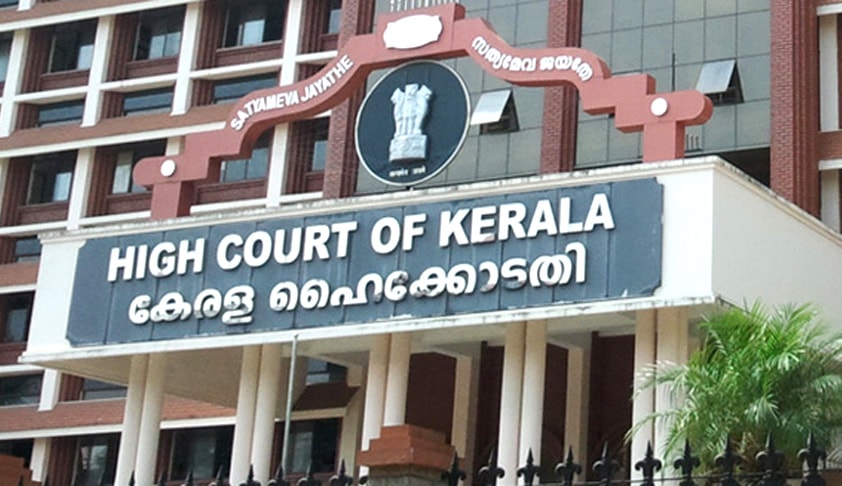
Kerala High Court: Quasi-Judicial Authorities Cannot Appeal Against Orders Setting Aside Their Own Decisions
Admission Supervisory Committee’s Writ Appeal Dismissed as non-maintainable
Court Clarifies Limits of Quasi-Judicial Powers in Medical Education Admissions
By Our Legal Correspondent
New Delhi: February 01, 2026:
On January 31, 2026, the Kerala High Court delivered a landmark judgment in the field of administrative and education law. A Division Bench comprising Justice Anil K. Narendran and Justice Muralee Krishna S. dismissed the writ appeal filed by the Admission Supervisory Committee for Medical Education in Kerala, ruling that a quasi-judicial authority cannot be treated as an “aggrieved person” entitled to appeal against a superior court’s order that interferes with its own decision.
Also Read: Karnataka High Court Orders Probe into Illegal Sand Mining, Political Links Under Scrutiny
This case arose from a dispute over the admission of a NEET (UG) 2023 candidate to the BAMS course at Santhigiri Ayurveda Medical College, under the OBC category. The candidate’s caste status was clarified by government orders and certificates, but the Admission Supervisory Committee cancelled the admission. The candidate challenged this before the High Court, which set aside the Committee’s order. The Committee then attempted to appeal, leading to this ruling.
Key Highlights of the Judgment
- Quasi-Judicial Authority Not Aggrieved Person: The Court held that statutory bodies exercising adjudicatory functions cannot maintain appeals against judgments that set aside their own orders.
- NGT Precedents Applied: The Court relied on precedents that emphasize judicial discipline, noting that adjudicating authorities should not defend or challenge their own decisions in higher courts.
- Candidate’s Admission Upheld: The Single Judge’s earlier ruling declaring the candidate eligible for admission under the OBC category was affirmed.
- Avoiding Anomalous Situations: The Bench warned that allowing quasi-judicial bodies to appeal would create anomalies, with authorities routinely challenging superior court rulings.
Legal Principles Clarified
- Judicial Discipline: Quasi-judicial authorities must respect the hierarchy of courts and cannot litigate to defend their own orders.
- Statutory Framework: Under the Kerala Medical Education Act, 2017, the Admission Supervisory Committee has adjudicatory powers but is not a litigant in its own cause.
- Right to Appeal: Only persons directly affected—such as students or institutions—can be considered “aggrieved” and entitled to appeal.
Broader Context
- Impact on Medical Education: The ruling strengthens transparency in admissions and limits the scope of supervisory committees.
- Administrative Law Precedent: This judgment has wider implications for tribunals and statutory bodies across India, reinforcing that they cannot act as litigants in appeals.
- Balance of Power: The decision ensures that adjudicatory authorities remain neutral and do not become parties to disputes.
Expert Opinions
- Legal Scholars: Applaud the ruling as a reinforcement of judicial discipline and clarity in administrative law.
- Education Advocates: Say the judgment protects students from arbitrary cancellations and ensures fairness in admissions.
- Critics: Some argue that supervisory committees may feel powerless if they cannot appeal, but the Court emphasized that their role is adjudicatory, not adversarial.
Also Read: Supreme Court Restores Compensation Award for Innocent Landowner in Railway Project Case
COURTKUTCHEHRY.com BOOK OFFER!!!
📘 Legal professionals and students alike will benefit from Will Writing Simplified, which covers procedure and case law in detail.
🔹 Buy on Amazon
🔹 Buy on Flipkart
Conclusion
The Kerala High Court’s ruling is a landmark in administrative jurisprudence. By dismissing the Admission Supervisory Committee’s writ appeal, the Court has clarified that quasi-judicial authorities cannot be treated as aggrieved persons. This ensures judicial discipline, protects students’ rights, and sets a precedent for similar statutory bodies across India.
Keywords for Faster Searches
Also Read: Budget 2026: Buybacks to Be Taxed as Capital Gains, Ending Company-Level Tax
- Kerala High Court quasi-judicial authority ruling
- Admission Supervisory Committee writ appeal dismissed
- Medical education admissions Kerala HC judgment
- Quasi-judicial authority aggrieved person India
- Kerala Medical Education Act 2017 High Court ruling
- Judicial discipline statutory bodies India
- NEET UG 2023 BAMS admission Kerala case
- Kerala HC administrative law precedent
Also Read: Supreme Court Restores Compensation Award for Innocent Landowner in Railway Project Case