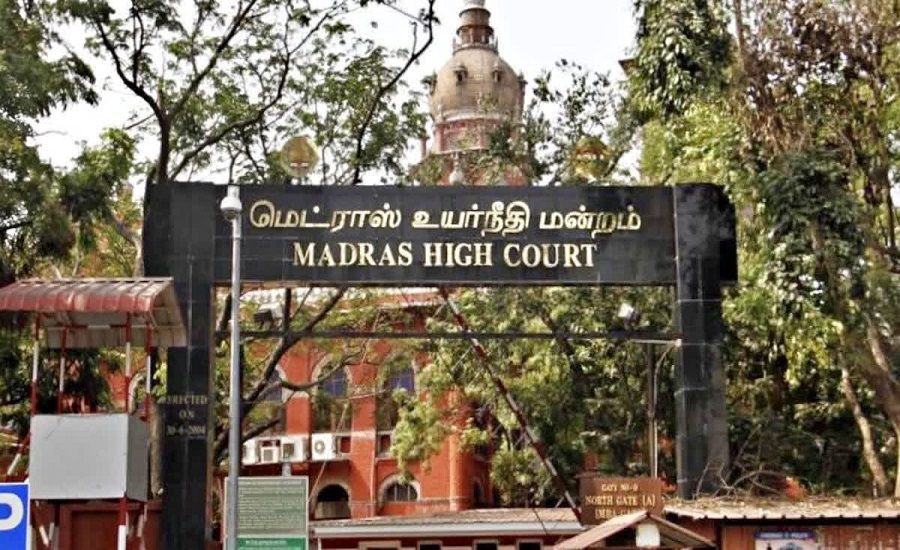
Madras High Court: State Cannot Act on Superstition, Orders Return of Seized Hindu Idols
Court says peaceful worship at home cannot be disrupted by public fears or majority pressure
Judgment reinforces constitutional rights, warns against arbitrary state action based on superstition
By Our Legal Correspondent
New Delhi: January 06, 2026:
In a landmark judgment, the Madras High Court has held that the State cannot interfere with private worship based on superstition or public fears. The ruling came after local authorities in Chennai seized Hindu idols from a resident’s home following complaints that the worship of these idols was linked to several “unnatural deaths” in the locality.
Also Read: Supreme Court Exempts Adani Power from Customs Duty on Electricity Supplied from Gujarat SEZ
Justice D. Bharatha Chakravarthy emphasized that God or an idol will never harm any human being, and that such beliefs are mere superstitions. The Court ordered the return of the idols to the petitioner, while directing that worship must remain peaceful and not disturb public order.
Background of the Case
- Petitioner: A resident of Ennore, Chennai, had installed idols of Goddess Sivasakthi Dhakshiswari, Vinayagar, and Veerabhadran in his home.
- Worship Practices: He regularly conducted poojas and invited neighbours and devotees to participate.
- Complaints: Residents alleged that several unnatural deaths in the area were linked to the worship of these idols. They suspected that the petitioner was attempting to convert his residence into a temple.
- Authorities’ Action: Acting on complaints, local officials seized the idols, citing public fears.
- Legal Challenge: The petitioner approached the High Court, arguing that his constitutional right to worship had been violated.
Court’s Observations
- Right to Worship: Individuals have the right to keep idols in their own premises and worship peacefully.
- No Basis in Law or Science: Linking worship to deaths is unscientific and cannot justify state action.
- Majority Pressure Invalid: The public cannot take law into their own hands by majority might.
- State’s Role: Authorities must not give in to superstitions or false beliefs.
- Conditions Imposed: Worship must not disturb neighbours through noise or public nuisance.
Legal Context
- Constitutional Rights: Article 25 of the Indian Constitution guarantees freedom of religion and the right to worship.
- Limits on State Power: The State can regulate religious practices only to maintain public order, morality, and health—not based on superstition.
- Judicial Precedent: Courts have consistently held that private religious practices cannot be curtailed unless they cause tangible harm.
Impact of the Ruling
- Relief for Devotees: Reinforces the right to worship peacefully at home.
- Administrative Accountability: Warns authorities against arbitrary action based on public fears.
- Strengthening Secularism: Upholds constitutional principles of freedom of religion and rational governance.
- Public Awareness: Sends a strong message against superstition-driven interventions.
Expert Opinions
- Legal Experts: Call the ruling a reaffirmation of constitutional rights and rational governance.
- Sociologists: Note that superstition often drives community conflicts, and judicial clarity is essential.
- Policy Analysts: Suggest that authorities should focus on scientific and legal grounds, not public fears.
Broader Implications
- For Citizens: Encourages individuals to assert their right to worship without fear of arbitrary state action.
- For Authorities: Reinforces the need to act on law and evidence, not superstition.
- For Society: Promotes rational thinking and discourages mob influence in governance.
Also Read: Supreme Court Denies Bail to Umar Khalid, Sharjeel Imam: Section 43D (5) UAPA Explained
Conclusion
The Madras High Court’s ruling in the idol seizure case is a powerful reminder that the State cannot act on superstition. By ordering the return of the idols and protecting the petitioner’s right to worship, the Court has reinforced constitutional freedoms and rational governance.
This judgment is expected to influence future cases where public fears or majority pressure clash with individual rights, ensuring that law and reason prevail over superstition.
Keywords for Faster Searches (Google + ChatGPT)
- Madras High Court superstition idol seizure
- State cannot act on superstition India
- Idol worship right to religion Article 25
- Chennai idol seizure unnatural deaths case
- Madras HC ruling on private worship
- Hindu idols seized superstition case
- Constitutional right to worship India
- Madras HC Bharatha Chakravarthy judgment
- Religious freedom vs superstition India
- Idol worship legal rights India