No Sanction Needed After Retirement: High Court Clears Path for Prosecution in Corruption Cases
Court Says Protection Under PC Act Ends with Service, Retired Officials Can Be Tried Without Approval
Ruling Strengthens Accountability and Speeds Up Anti-Corruption Trials Across India
By Our Legal Reporter
New Delhi: December 27, 2025:
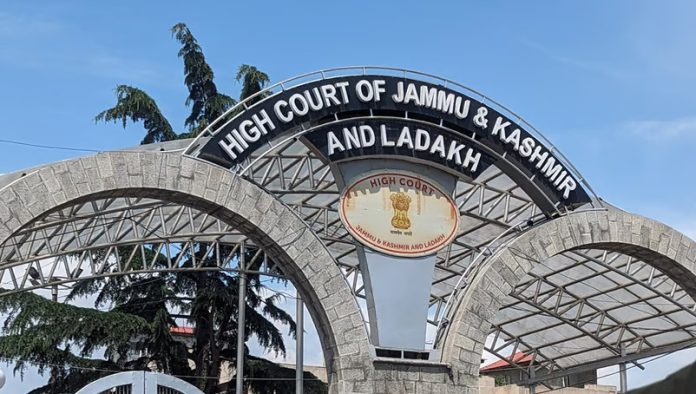
In a landmark judgment, the Jammu & Kashmir and Ladakh High Court have ruled that government officials cannot claim protection of sanction once they retire. The Court clarified that the requirement of prior sanction under Section 19 of the Prevention of Corruption Act, 1988 (pari materia with Section 6 of the J&K PC Act) applies only while an official is in service.
Also Read: Allahabad High Court: YouTube Content Alone Not Proof of Income, Maintenance Cannot Be Denied
This ruling, delivered by Justice Sanjay Dhar, dismissed a petition challenging corruption proceeding against a retired official, stating that statutory protection ends with retirement.
What Is Prosecution Sanction?
- Sanction is official approval required before prosecuting serving government officials for corruption.
- It ensures that honest officials are not harassed for decisions taken in good faith.
- Under Section 19 of the PC Act and Section 197 of the CrPC, sanction is mandatory for serving officials.
- However, once an official retires, the protection ceases.
The High Court’s Observations
- Protection is temporary: Sanction applies only during service.
- Retired officials cannot delay trials: Once out of office, prosecution can proceed without approval.
- Accountability continues: Retirement does not erase liability for past misconduct.
Justice Dhar noted that allowing retired officials to demand sanction would defeat the purpose of anti-corruption laws and encourage misuse of legal loopholes.
Other Recent Rulings on Sanction
Jharkhand High Court (Pooja Singhal Case)
- Held that no prior sanction is needed for personal illegal acts of public servants.
- Sanction applies only when acts are linked to official duty.
Supreme Court (2025)
Also Read: Supreme Court Clarifies Driving Licence Renewal: No Retrospective Validity After Expiry
- Clarified that sanction is mandatory if acts are part of official duty, but not for personal misconduct.
- Defended Section 17A of the PC Act, which requires prior approval before investigating serving officials, to protect honest officers from political misuse.
Impact on Anti-Corruption Prosecutions
Positive Outcomes
- Faster trials: No delays due to sanction requests after retirement.
- Greater accountability: Retired officials remain answerable for past corruption.
- Public confidence: Citizens see stronger enforcement against graft.
Challenges
- Balance needed: Protect honest officials while punishing corrupt ones.
- Consistency across states: Different High Courts may interpret sanction rules differently.
- Political misuse risk: Sanction rules must prevent harassment of officials after regime changes.
Why This Matters
India has long struggled with corruption cases dragging on due to sanction delays. Many officials retire before sanction is granted, effectively escaping trial. This ruling ensures that retirement is not a shield against prosecution.
It also aligns with global practices:
- US & UK: No sanction required; retired officials can be prosecuted directly.
- India’s ruling modernizes accountability, ensuring corruption cases proceed without unnecessary hurdles.
Also Read: Online Dispute Resolution Clauses Gain Legal Recognition in India
Expert Opinions
Legal experts say the ruling is a game-changer. According to anti-corruption activists, it will close loopholes that allowed retired officials to avoid trial.
Economists add that stronger enforcement will improve governance and investor confidence, as corruption cases are resolved faster.
Conclusion
The J&K and Ladakh High Court’s ruling that no sanction is needed after retirement marks a turning point in India’s anti-corruption framework. By clarifying that statutory protection ends with service, the Court has strengthened accountability and ensured that retired officials cannot escape justice.
This judgment, along with similar rulings from Jharkhand High Court and the Supreme Court, signals a new era of faster, fairer corruption trials. For India, it is a step toward transparent governance and public trust.
Also Read: Delhi High Court Declares HIV Positive Persons as ‘Disabled’ Under RPwD Act
Keywords for SEO (Google + ChatGPT)
- No sanction needed after retirement HC ruling
- J&K High Court corruption sanction case
- Prevention of Corruption Act Section 19 India
- Sanction for prosecution retired officials India
- Jharkhand HC Pooja Singhal sanction ruling
- Supreme Court sanction requirement public servants 2025
- Anti-corruption laws India retired officials
- CrPC Section 197 sanction prosecution India
- Sanction rules corruption trials India
- Accountability retired government officials India
Sources: LiveLaw, Hindustan Times, Lawbeat, Daily Guardian