India’s Online Gaming Ban Sparks Court Battles and Industry Loopholes
Promotion and Regulation of Online Gaming Act 2025 Shuts Down Rs 3 billion Industry
Gamers Rebrand Platforms as Esports and Skill Contests to Survive
By Our Legal Reporter
New Delhi: January 01, 2026:
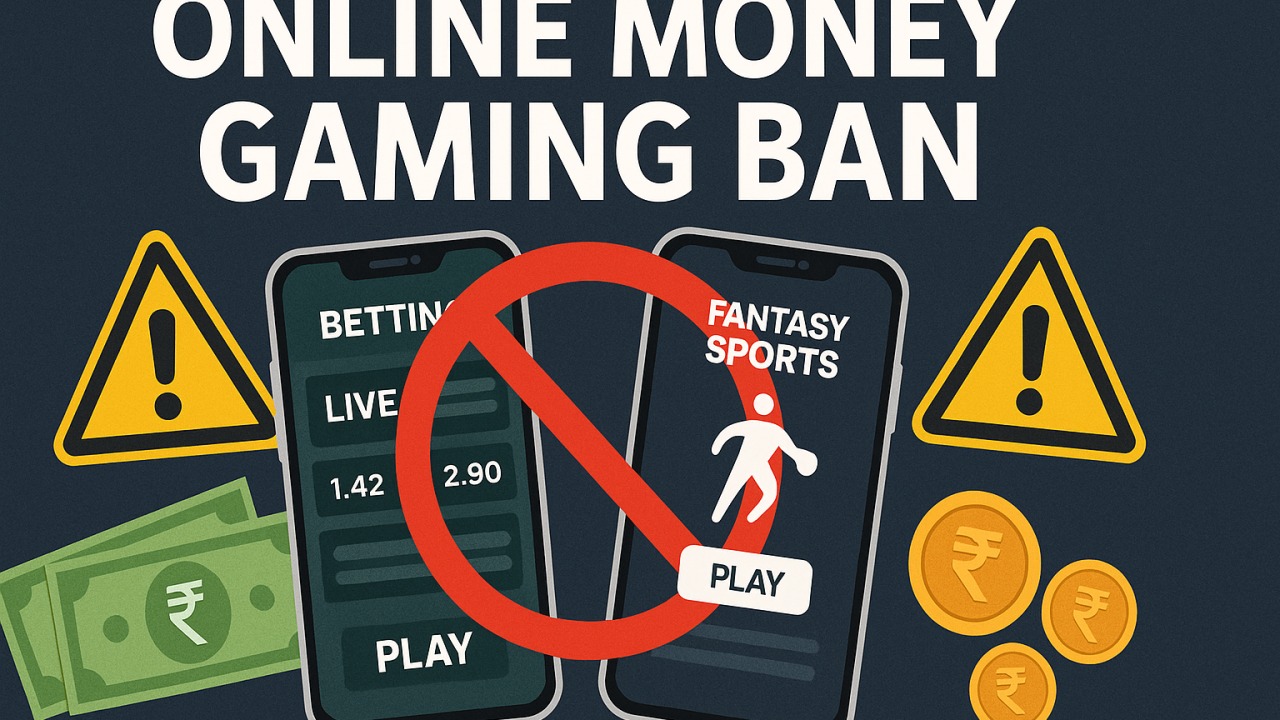
India’s booming online gaming industry faced a dramatic halt in 2025 when Parliament passed the Promotion and Regulation of Online Gaming Act (PROGA). The law imposed a blanket ban on real-money online games, including poker, rummy, and fantasy sports. The government justified the move by citing public health concerns, addiction, and money laundering risks.
The ban has triggered widespread debate, with gamers and companies filing petitions in the Supreme Court challenging its constitutional validity. At the same time, many platforms are exploring loopholes and alternatives to stay afloat.
The Law: Promotion and Regulation of Online Gaming Act 2025
- Scope: Bans all real-money online games, whether skill-based or chance-based.
- Taxation: Introduced a 40% GST on deposits, treating gaming as a “sin good.”
- Advertising Ban: Prohibits sponsorships and promotions of gaming platforms.
- Objective: Reduce addiction, protect vulnerable players, and curb fraud.
Impact on Industry
The ban has had far-reaching consequences:
- Job Losses: Over two lakh jobs were affected as 1,900 start-ups shut down.
- Revenue Collapse: India’s $3 billion real-money gaming sector faced immediate shutdowns.
- Investor Exit: Global investors pulled back due to regulatory uncertainty.
- Shift to Esports: Companies pivoted to esports and social gaming, which remain legal.
Loopholes and Alternatives
Despite the ban, companies and gamers are finding ways to circumvent restrictions:
- Skill-Based Argument: Petitioners argue that poker and rummy are games of skill, not gambling.
- Esports Rebranding: Platforms are shifting to esports tournaments, recognized as legitimate sports.
- Social Gaming Models: Free-to-play games with in-app purchases are being promoted.
- International Platforms: Some players migrate to offshore gaming apps, raising enforcement challenges.
Legal Challenges
The Supreme Court is examining:
- Constitutional Validity: Whether the central government has legislative competence, since gambling falls under the State List.
- Skill vs. Chance Debate: Whether poker and rummy qualify as skill-based games.
- Fundamental Rights: Whether banning skill-based games violates the right to profession and trade under Article 19(1)(g).
Nine petitions have been filed, and hearings are ongoing.
Public Reaction
The ban has sparked strong reactions:
- Gamers: Argue that skill-based games should not be equated with gambling.
- Parents: Support the ban, citing concerns about addiction among youth.
- Industry Leaders: Warn that India risks losing a global gaming hub opportunity.
Conclusion
India’s online gaming ban has reshaped the industry, forcing companies to pivot and players to seek alternatives. The ongoing Supreme Court battle will determine whether games of skill like poker can survive under constitutional protection.
For now, the message is clear: real-money gaming is banned, but esports and social gaming remain open avenues.
Keywords for Faster Searches
- Online gaming ban India 2025
- Promotion and Regulation of Online Gaming Act
- Supreme Court online gaming petitions
- Poker law India ban
- GST on online gaming 40%
- Skill vs chance gaming law India
- Esports legal recognition India
- Online gaming loopholes India
- Impact of gaming ban India
- Online gaming industry shutdown India