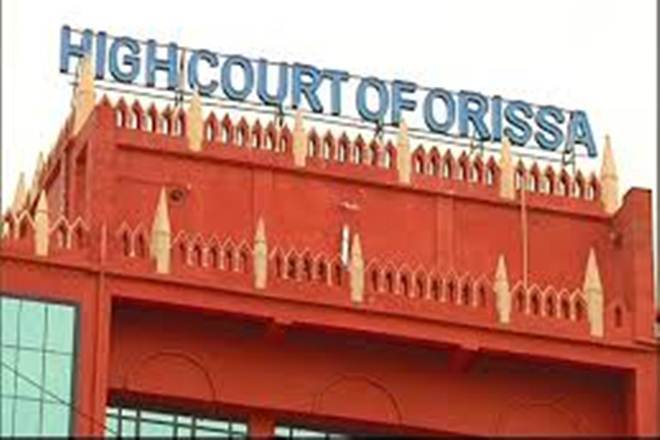
Orissa High Court Quashes 15-Year-Old Vigilance Case Against OCCF Chief Golak Prasad Mohapatra
Court cites inordinate delay and lack of fresh evidence
Justice Aditya Kumar Mohapatra invokes inherent powers to prevent abuse of law
By Our Legal Correspondent
New Delhi: March 03, 2026:
The Orissa High Court has quashed criminal proceedings against Golak Prasad Mohapatra, President of the Orissa Consumers’ Cooperative Federation Ltd (OCCF), in a vigilance case dating back to 2010. The case, which alleged irregularities in the distribution of subsidised linkage coal to MSMEs between 2008–2010, had been pending for over 15 years without substantial progress.
Justice Aditya Kumar Mohapatra, while delivering the order on February 25, 2026, observed that the prolonged delay in investigation and trial amounted to an abuse of process of law and warranted judicial intervention to secure the ends of justice.
Case Background
- In June 2010, the Vigilance Department registered an FIR against Mohapatra and others, alleging irregularities in coal distribution.
- The case was based on suspicions that subsidised coal meant for MSMEs was diverted or misused.
- A charge sheet was filed, and proceedings were pending before the 3rd Additional Sessions Judge, Bhubaneswar.
- Mohapatra approached the High Court seeking quashing of the FIR, charge sheet, and ongoing trial.
- The High Court noted that despite the passage of 15 years, the prosecution had failed to produce fresh material evidence.
Court’s Observations
- Delay as Abuse of Law: The court held that inordinate delay in investigation and trial undermines justice and violates the principle of fair trial.
- No Fresh Evidence: The Vigilance Department failed to produce new material to justify continuation of proceedings.
- Judicial Duty: The court exercised its inherent powers under Section 482 of the Code of Criminal Procedure (CrPC) to prevent abuse of law.
- Ends of Justice: The ruling emphasized that prolonged litigation without progress causes undue hardship to the accused.
Relevant Laws and Rules
1. Code of Criminal Procedure (CrPC), 1973 – Section 482
- Grants High Courts inherent powers to quash proceedings to prevent abuse of process and secure justice.
2. Indian Penal Code (IPC)
- Provisions on cheating and criminal misconduct were invoked in the FIR, but no substantive evidence was produced.
3. Coal Distribution Policy (2008–2010)
- Governed allocation of subsidised linkage coal to MSMEs. Alleged irregularities formed the basis of the vigilance case.
4. Judicial Precedents
- Courts have consistently held that delay in investigation and trial can justify quashing of proceedings, especially when no fresh evidence emerges.
Broader Implications
- For Cooperative Sector: Provides relief to OCCF leadership, ensuring continuity in cooperative operations.
- For Judiciary: Reinforces the principle that justice delayed is justice denied.
- For Vigilance Agencies: Highlights the need for timely investigation and prosecution.
- For Citizens: Demonstrates judicial safeguards against prolonged harassment in criminal cases.
[Additional Resource]
If you want practical guidance on drafting wills, codicils, and probate procedures, Will Writing Simplified is an invaluable resource. BUY TODAY: Amazon 🔹 Flipkart
Conclusion
The Orissa High Court’s decision to quash the vigilance case against Golak Prasad Mohapatra underscores the judiciary’s role in protecting individuals from prolonged and unjustified prosecution. By invoking inherent powers under CrPC, the court ensured that justice is not compromised by delay.
This ruling sets a precedent for similar cases where investigations drag on for years without substantive progress, reaffirming the principle that fair trial and timely justice are fundamental rights.
Keywords for Faster Searches
- Orissa High Court vigilance case quashed
- Golak Prasad Mohapatra OCCF ruling
- OCCF coal distribution case 2010
- Section 482 CrPC quashing proceedings
- Orissa HC delay in trial judgment
- Vigilance case quashed Odisha High Court
- OCCF president Golak Prasad Mohapatra case