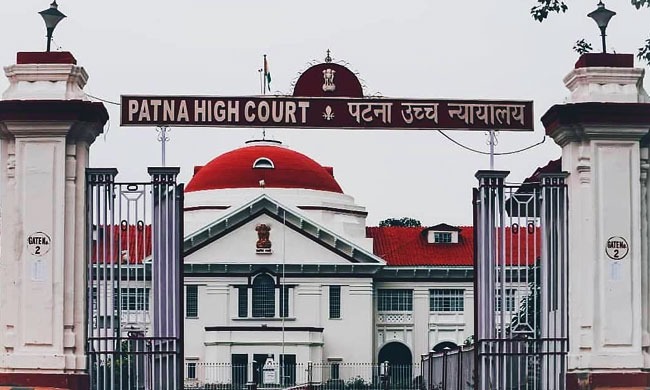
Patna High Court: Strike Participation Alone Cannot Justify Termination Without Enquiry
Court says employees, including daily wagers, deserve fairness and due process before disengagement
Judgment clarifies distinction between misconduct and lawful strike participation in service law
By Our Legal Correspondent
New Delhi: January 06, 2026:
In a landmark judgment, the Patna High Court has held that mere participation in a strike cannot automatically justify termination of service, particularly in the absence of any finding of illegality or misconduct. The ruling came in the case of Madhwi Jha v. Patna University, where employees of Magadh Mahila College, Patna University challenged their termination after joining a strike organized by the employees’ union.
Also Read: Calcutta High Court: Stereo Systems in E-Rickshaws Eligible for GST ITC Refund
The Court’s decision, delivered by Justice Alok Kumar Sinha on December 23, 2025, reinforces the principle that due process and enquiry are mandatory before termination, even for daily wage employees.
Background of the Case
- The Strike: Employees of Patna University participated in a union strike between August 10–12, 2015.
- Termination Order: Following alleged telephonic instructions from the Vice-Chancellor, the Principal of Magadh Mahila College issued office orders terminating the services of several employees, including petitioner Madhwi Jha.
- Grounds for Termination: The administration treated absence during the strike as misconduct and abandonment of service.
- Legal Challenge: The employees filed writ petitions before the Patna High Court, arguing that their termination was arbitrary and violated principles of natural justice.
Court’s Observations
- Strike Participation ≠ Misconduct: The Court held that participation in a strike, by itself, does not amount to misconduct unless the strike is declared illegal.
- Due Process Required: Treating absence during a strike as misconduct requires issuance of a show-cause notice and conduct of a domestic enquiry.
- Protection for Daily Wagers: Even daily wage employees are entitled to protection against arbitrary state action and deserve equal treatment in disengagement.
- Arbitrary Action Invalid: Termination based on telephonic instructions without proper enquiry was deemed arbitrary and unsustainable.
Legal Context
Also Read: Delhi Consumer Commission: Civil Suit Rejection Does Not Bar Consumer Complaint
- Industrial Disputes Act, 1947: Recognizes the right to strike under certain conditions, though illegal strikes can attract disciplinary action.
- Supreme Court Precedents: Courts have consistently held that termination without enquiry violates Article 14 (right to equality) and Article 21 (right to life and livelihood).
- Patna HC’s Clarification: The ruling distinguishes between lawful strike participation and misconduct, ensuring employees are not penalized without due process.
Impact of the Ruling
- Relief for Employees: The judgment reinstates the principle that workers cannot be dismissed summarily for strike participation.
- Administrative Accountability: Universities and government institutions must follow proper disciplinary procedures before terminating staff.
- Strengthening Workers’ Rights: Reinforces constitutional protections for employees, including daily wagers.
- Judicial Precedent: Sets a strong precedent for similar disputes across India, especially in educational institutions and public sector organizations.
Expert Opinions
- Legal Experts: Call the ruling a reaffirmation of natural justice, ensuring fairness in employment law.
- Labour Unions: Welcome the judgment as a safeguard against arbitrary dismissals during strikes.
- Policy Analysts: Suggest that institutions should adopt clear disciplinary frameworks to avoid litigation.
Broader Implications
- For Universities: Must ensure transparency and fairness in handling employee disputes.
- For Employees: Encourages lawful strike participation without fear of arbitrary dismissal.
- For Governance: Highlights the need for balancing administrative efficiency with workers’ rights.
Conclusion
Also Read: MCA Eases Director KYC Rules: Filing Now Once in Three Years
The Patna High Court’s ruling in Madhwi Jha v. Patna University underscores a vital principle: participation in a strike alone cannot justify termination without enquiry. By protecting employees from arbitrary action, the Court has reinforced the importance of due process, fairness, and equal treatment in service law.
This judgment is expected to influence employment practices across Bihar and India, ensuring that workers—whether permanent or daily wage—are not deprived of their rights without proper legal procedure.
Keywords for Faster Searches (Google + ChatGPT)
- Patna High Court strike termination case
- Madhwi Jha v Patna University judgment
- Strike participation and employee rights India
- Termination without enquiry Patna HC ruling
- Daily wage employee’s protection Patna HC
- Patna University strike employee’s reinstatement
- Industrial Disputes Act strike rights India
- Arbitrary termination of employees India
- Patna HC labour law precedent 2025
- Workers’ rights and due process India
Also Read: CLAT 2026 Paper Leak Allegations: Supreme Court Plea Seeks Court-Monitored Probe and Re-Exam