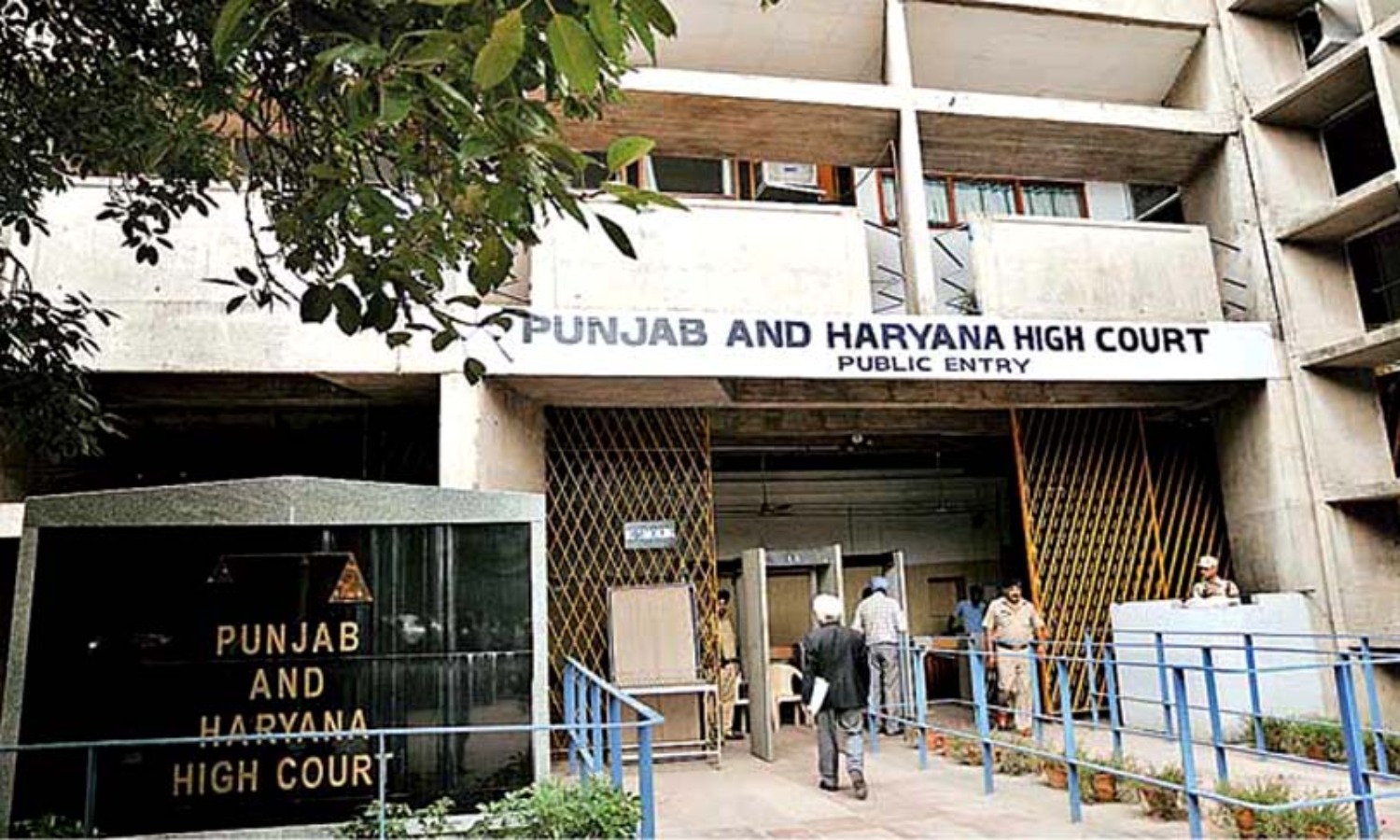
Punjab & Haryana High Court Allows Roop Bansal to Withdraw Plea in Judges’ Bribery Case, Slaps ₹1 Lakh Cost
Court Criticizes Repeated Plea Withdrawals and Bench Hunting Allegations
Bribery Case Linked to Real Estate Firms M3M and IREO Group
By Our Legal Reporter
New Delhi: January 24, 2026:
In a significant development, the Punjab and Haryana High Court have permitted real estate developer Roop Bansal, director of the M3M Group, to withdraw his petition seeking to quash an FIR in the judges’ bribery case. However, the Court imposed a ₹1 lakh cost on him, citing repeated withdrawals and concerns over “bench hunting.”
Also Read: Allahabad High Court Quashes Rape Conviction, Highlights Rise of Live-In Relationships Among Youth
The case, which has attracted national attention, involves allegations that a trial court judge, Sudhir Parmar, extended undue favours to real estate firms M3M and IREO Group in exchange for bribes. The Enforcement Directorate (ED) and Haryana’s Anti-Corruption Bureau are investigating the matter.
Background of the Case
The bribery case was registered by the Anti-Corruption Bureau of Haryana, alleging that Judge Sudhir Parmar manipulated judicial proceedings to benefit M3M and IREO Group. Roop Bansal, along with other directors, was booked under the Prevention of Corruption Act and Section 120B of the Indian Penal Code (criminal conspiracy).
Bansal initially filed a plea to quash the FIR but withdrew it in February 2025, stating he would file a fresh petition with better particulars. In April 2025, he filed another plea, which he later sought to withdraw again. This repeated withdrawal raised suspicions of bench hunting, where litigants attempt to manoeuvre cases before favourable judges.
The matter was listed before multiple judges, including the Chief Justice, who recused himself. Eventually, Justice Aman Chaudhary heard the case and allowed withdrawal with costs.
Court’s Observations
The High Court made several important observations:
Also Read: ICAI Suspends Chartered Accountant for Three Months Over Income Tax Refund Fraud
- Repeated Plea Withdrawals: The Court criticized the practice of filing and withdrawing petitions, which burdens the judicial system.
- Bench Hunting Allegations: The Court noted concerns that the petitioner was attempting to manipulate bench allocation.
- Imposition of Costs: By imposing a ₹1 lakh cost, the Court sent a strong message against frivolous litigation and misuse of judicial process.
- Liberty Granted: Despite criticism, the Court allowed withdrawal, giving Bansal liberty to pursue remedies in accordance with law.
Implications of the Ruling
This ruling has wider implications for corporate and judicial accountability:
- Deterrence Against Bench Hunting: The Court’s stance discourages litigants from manipulating judicial assignments.
- Strengthening Judicial Integrity: By imposing costs, the Court reinforced the seriousness of bribery allegations.
- Corporate Responsibility: The case highlights the risks of corporate involvement in judicial corruption.
- Public Confidence: The ruling reassures the public that courts will not tolerate misuse of legal processes.
Expert Reactions
Legal experts and commentators have weighed in:
- Senior Advocates: Emphasized that repeated withdrawals undermine judicial efficiency.
- Policy Analysts: Suggested reforms to prevent bench hunting, including stricter rules on plea withdrawals.
- Anti-Corruption Activists: Welcomed the Court’s decision, calling it a step toward greater accountability in high-profile corruption cases.
Broader Significance
The case underscores the challenges India faces in tackling judicial corruption. Allegations against Judge Sudhir Parmar have shaken public trust, and the involvement of major real estate firms has amplified concerns about corporate influence in the judiciary.
Also Read: Meta Faces Lawsuit Over WhatsApp Privacy: Concerns Rise in India, World’s Largest User Base
The High Court’s ruling demonstrates its commitment to transparency and fairness, even as investigations continue under the ED and Anti-Corruption Bureau.
Conclusion
The Punjab and Haryana High Court’s decision to allow Roop Bansal to withdraw his plea, while imposing a ₹1 lakh cost, is a landmark in the ongoing judges’ bribery case. It highlights the judiciary’s resolve to curb misuse of legal processes and ensure accountability in corruption cases.
If you want practical guidance on drafting wills, codicils, and probate procedures, Will Writing Simplified is an invaluable resource. Get your copy today.
Keywords for SEO & Faster Searches
- Punjab Haryana High Court bribery case
- Roop Bansal plea withdrawal
- Judges’ bribery case M3M IREO
- Bench hunting in Indian courts
- Prevention of Corruption Act FIR
- Sudhir Parmar bribery allegations
- ED investigation real estate bribery
- Judicial corruption India
- Will Writing Simplified book
- Probate and succession law India
Also Read: Supreme Court Rules: Arbitral Tribunals Cannot Override Contractual Interest Clauses