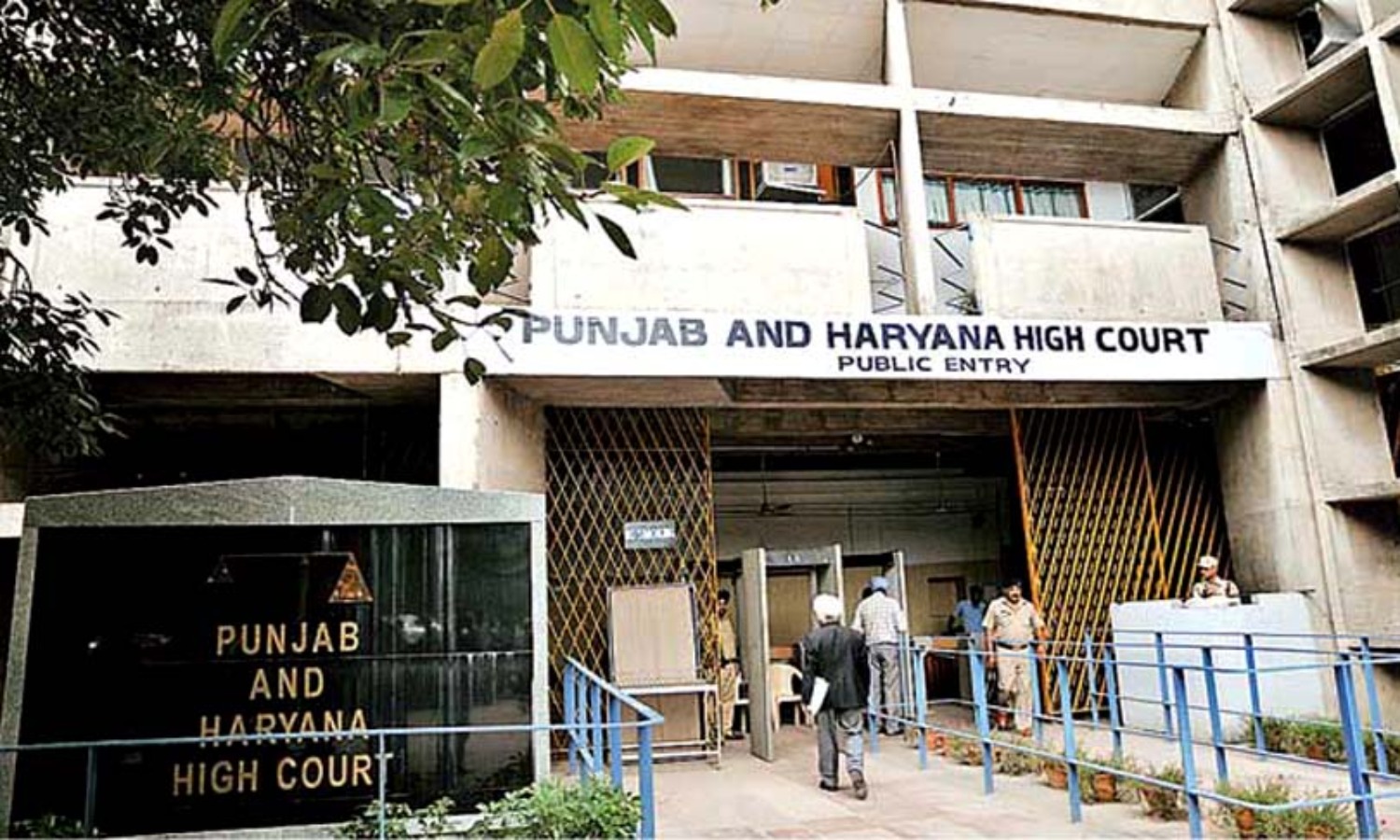
Punjab & Haryana High Court Slams Misuse of Contempt Law, Imposes ₹3 Lakh Cost
Petitioner ordered to pay ₹1 lakh each to Punjab DGP and two senior officers
Court warns against frivolous and vexatious litigation
By Our Legal Correspondent
New Delhi: February 11, 2026:
In a strongly worded judgment, the Punjab and Haryana High Court have dismissed a contempt petition filed against senior Punjab Police officials, terming it a “glaring misuse of contempt law”. Justice Sudeepti Sharma imposed ₹3 lakh in exemplary costs on the petitioner, directing payment of ₹1 lakh each to Punjab DGP Gaurav Yadav and two other senior officers.
The ruling highlights the judiciary’s growing concern over frivolous contempt petitions being used to harass officials and misuse judicial processes.
Case Background
- The petitioner, Rajbir Singh Brar, appeared in person before the court.
- He alleged that Punjab Police officials, including the DGP, had deliberately disobeyed a Division Bench order dated July 30, 2024, which required strict compliance with the Supreme Court’s ruling in Lalita Kumari v. Government of Uttar Pradesh (mandating FIR registration in cognizable offences) and provisions of the Pre-Conception and Pre-Natal Diagnostic Techniques (PCPNDT) Act, 1994.
- The High Court found no evidence of wilful disobedience and ruled that the contempt plea was frivolous and vexatious.
- At the outset, the court had warned the petitioner that costs of ₹1 lakh would be imposed if the plea was found frivolous. Surprisingly, Brar himself insisted that costs of ₹2 lakh should be imposed if his petition lacked merit.
Ultimately, the court imposed ₹3 lakh costs, payable directly to the three police officers named in the petition.
Also Read: ITAT Rules in Favor of Dream11 Parent: Advance Tax Delay Based on Payment Date, Not Credit Date
[📘 If you want practical guidance on drafting wills, codicils, and probate procedures, Will Writing Simplified is an invaluable resource.]
🔹 Buy online: Amazon | Flipkart
Court’s Observations
Justice Sharma made several critical points:
- Abuse of Process: Filing baseless contempt petitions amounts to harassment of officials and wastes judicial time.
- Deterrent Costs: Courts must impose heavy costs not only on officials in genuine cases of disobedience but also on litigants who misuse contempt law.
- No Evidence of Disobedience: The petitioner failed to prove deliberate violation of court orders.
- Judicial Integrity: The ruling reinforces that contempt jurisdiction cannot be invoked casually or for personal vendettas.
Also Read: Karnataka High Court Cancels Gift Deed, protects 84-Year-Old Father Neglected by Daughters
Why This Matters
This ruling is significant for India’s legal system:
- It discourages frivolous contempt petitions, which have become increasingly common.
- It protects officials from harassment while ensuring genuine cases of disobedience are addressed.
- It strengthens judicial discipline by ensuring contempt law is used only in exceptional circumstances.
Legal experts believe this judgment will serve as a deterrent against misuse of contempt jurisdiction, ensuring courts are not burdened with baseless petitions.
Broader Legal Context
- Contempt of Courts Act, 1971: Provides for punishment of acts that scandalize the court, interfere with judicial proceedings, or disobey court orders.
- Civil vs. Criminal Contempt: Civil contempt involves wilful disobedience of court orders, while criminal contempt involves acts that lower the authority of the judiciary.
- Judicial Precedents: Courts have repeatedly emphasized that contempt powers must be exercised sparingly and only when disobedience is clear and deliberate.
This case adds to a growing body of jurisprudence where courts impose exemplary costs to deter frivolous litigation.
Expert Opinions
- Senior advocates say the ruling will discourage litigants from filing contempt petitions without strong evidence.
- Legal scholars note that the judgment will be studied as a precedent in law schools for its emphasis on judicial discipline.
- Police officials welcomed the decision, stating that frivolous petitions often distract them from their duties.
Also Read: ITAT Upholds Tax Deduction for Political Donations, Dismisses Revenue Appeal Over Lack of Evidence
Impact on Society and Governance
- Litigants: Must exercise caution before invoking contempt jurisdiction.
- Officials: Gain protection against harassment through baseless petitions.
- Courts: Reinforce authority by penalizing misuse of judicial processes.
The ruling is expected to reduce frivolous contempt petitions, allowing courts to focus on genuine cases of disobedience.
Conclusion
The Punjab & Haryana High Court’s decision to impose ₹3 lakh costs on a petitioner for misuse of contempt law marks a milestone in judicial discipline. By calling out frivolous litigation and protecting officials from harassment, the court has reinforced the principle that contempt jurisdiction is a serious remedy, not a tool for personal vendettas.
This judgment will serve as a guiding precedent for future cases, ensuring that contempt law is applied judiciously and only in genuine instances of disobedience.
Keywords for Faster Searches
- Punjab Haryana High Court contempt misuse
- ₹3 lakh cost frivolous contempt petition
- Rajbir Singh Brar contempt case Punjab DGP
- Contempt of Courts Act misuse India
- Exemplary costs contempt jurisdiction India
- Lalita Kumari FIR ruling contempt case
- PCPNDT Act Punjab High Court ruling
Also Read: Delhi High Court Slams Advocate for Misleading Family Court into Granting Divorce in Void Marriage