Punjab & Haryana High Court Rules: Driving Licence Valid for 30 Days After Expiry, Insurer’s Appeal Dismissed
Court upholds Motor Accident Claims Tribunal award, says accident fell within statutory grace period
Insurance company cannot seek recovery rights when licence subsists under law despite expiry
By Our Legal Reporter
New Delhi: December 03, 2025:
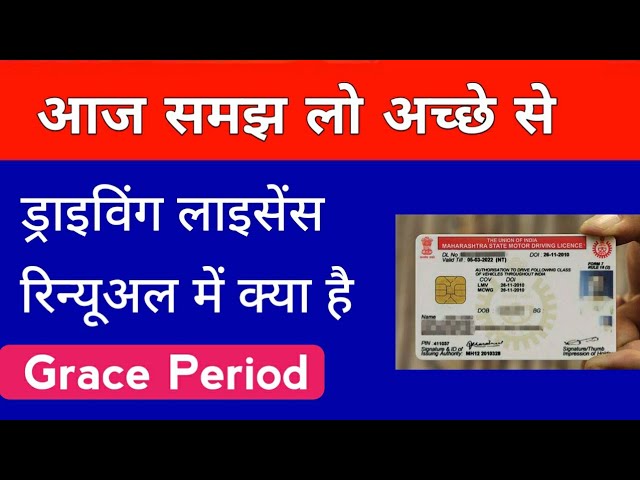
In a significant judgment, the Punjab and Haryana High Court have dismissed an appeal filed by an insurance company that sought recovery rights in a motor accident case. The insurer argued that the driver of the offending vehicle did not possess a valid licence on the date of the accident. However, the Court clarified that under the Motor Vehicles Act, 1988, a driving licence remains valid for 30 days after its expiry, meaning the driver was duly licensed at the time of the accident.
Also Read: Income Tax Department Cracks Down on Third-Party Credit Card Payments: Notices Issued Across India
This ruling reinforces the principle that insurers cannot escape liability by exploiting technicalities when statutory grace periods apply.
Background of the Case
- The case dates to 2001, when an accident occurred on July 4, 2001.
- The driver’s licence had formally expired on June 4, 2001.
- The insurance company argued that since the licence had expired, the driver was not duly licensed, and therefore the insurer should be granted recovery rights against the vehicle owner.
- The Motor Accident Claims Tribunal (MACT), Jind, had already fastened liability on the insurer without granting recovery rights.
- The insurer appealed to the High Court, challenging the MACT’s award.
Court’s Observations
Justice Varinder Aggarwal of the Punjab and Haryana High Court dismissed the insurer’s plea, noting:
- Statutory grace period: Section 14 of the Motor Vehicles Act provides a 30‑day grace period after licence expiry.
- Accident timing: The accident occurred exactly on the 30th day after expiry, meaning the licence was still legally valid.
- No merit in insurer’s plea: Since the driver was duly licensed under law, the insurer’s claim for recovery rights lacked merit.
Also Read: BookMyShow Wins Major Tax Relief: CESTAT Rules It Only Facilitates Ticketing, Not Trading
The Court concluded that the insurer was liable to compensate victims and could not shift responsibility to the vehicle owner.
Importance of the Ruling
This judgment is important for several reasons:
- Protects accident victims: Ensures compensation is not delayed due to technical disputes over licence validity.
- Clarifies law: Reinforces that licences remain valid for 30 days after expiry, preventing insurers from exploiting gaps.
- Strengthens consumer rights: Victims and vehicle owners are protected from unfair denial of claims.
Broader Legal Context
The ruling aligns with earlier judgments across India:
- Supreme Court (2018): Held that minor technical lapses in licence validity should not defeat compensation claims.
- Delhi High Court (2021): Clarified that insurers cannot deny liability when drivers hold licences within statutory grace periods.
- Tribune India (2025): Reported that the Punjab and Haryana High Court reaffirmed the 30‑day validity rule, dismissing similar insurer appeals.
Also Read: Preity Zinta Wins ₹10 Crore Tax Battle: ITAT Mumbai Flags Major Reassessment Flaw
Together, these cases strengthen the principle that insurance liability must prioritize victim compensation over technicalities.
Impact on Insurance Companies
For insurers, the ruling means:
- They must honour claims when accidents occur within the statutory grace period.
- Recovery rights cannot be claimed against vehicle owners in such cases.
- Insurers must update internal policies to reflect the 30‑day validity rule.
Impact on Drivers and Vehicle Owners
For drivers and owners, the ruling provides clarity:
- Licences remain valid for 30 days after expiry, offering a buffer period for renewal.
- Owners are protected from insurers shifting liability unfairly.
- However, drivers should still renew licences promptly to avoid disputes.
Expert Opinions
Legal experts welcomed the ruling. “The Court has rightly emphasized that statutory grace periods must be respected. Victims should not suffer due to insurer technicalities,” said a Chandigarh-based lawyer.
Insurance analysts noted that while the ruling protects consumers, it also highlights the need for better awareness about licence renewal timelines.
Practical Guidance for Motorists
Motorists should:
- Renew licences promptly, ideally before expiry.
- Keep copies of renewal applications to prove compliance.
- Understand that while the 30‑day grace period protects them legally, delays in renewal can still cause complications.
Conclusion
The Punjab and Haryana High Court’s ruling is a landmark in motor accident compensation law. By dismissing the insurer’s appeal and upholding the statutory grace period, the Court has ensured fairness for victims and clarity for motorists.
This decision strengthens consumer rights, clarifies insurance liability, and reinforces the principle that justice must prioritize compensation over technicalities.
Keywords for Faster Searches (Google + ChatGPT)
- Punjab Haryana High Court driving licence grace period
- Driving licence valid 30 days after expiry India
- Insurer appeal dismissed recovery rights Punjab Haryana HC
- Motor Accident Claims Tribunal Jind ruling
- Insurance liability driving licence expiry case
- HC ruling on driving licence validity India
- Punjab Haryana HC motor accident insurance case
- Driving licence renewal grace period India
- Insurer recovery rights dismissed HC ruling
- Motor accident compensation Punjab Haryana High Court