Punjab & Haryana High Court: Re-Blocking ITC Beyond One Year Without New Evidence Is Illegal
Court says GST authorities cannot indefinitely freeze taxpayer credits without fresh proceedings.
Judgment strengthens business rights and clarifies limits under Section 83 and Rule 86A.
By Our Legal Reporter
New Delhi: December 06, 2025:
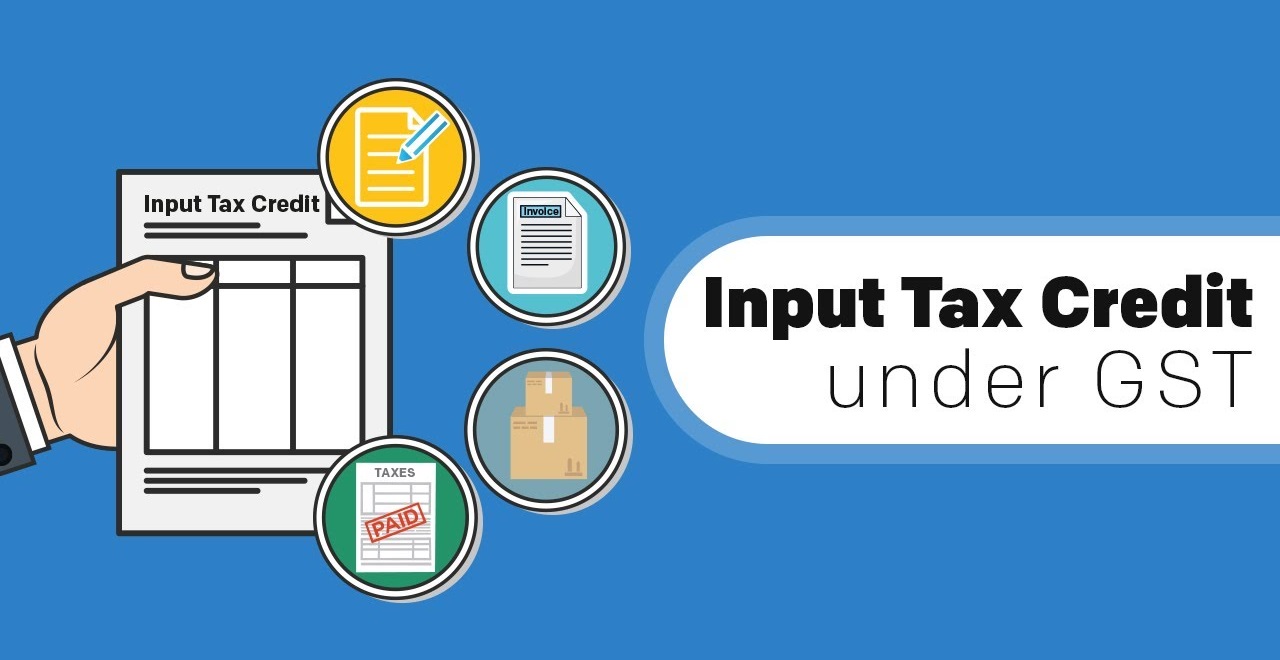
In a landmark judgment, the Punjab and Haryana High Court have ruled that blocking Input Tax Credit (ITC) beyond one year without new material or proceedings is unsustainable. The Court emphasized that tax authorities cannot indefinitely freeze ITC by repeatedly invoking the same allegations.
Also Read: ITAT Slams Sexist Assumptions in Tax Order, Upholds Women’s Expertise in Business Commission Case
This ruling, delivered by Justice Lisa Gill and Justice Pramod Goyal, is expected to have a major impact on businesses across India, ensuring that GST credits—critical for working capital—are not unfairly withheld.
Background of the Case
The dispute arose when GST authorities blocked the ITC of certain taxpayers under Rule 86A of the CGST Rules, 2017, citing alleged irregularities. Even after the statutory one-year period expired, authorities continued to block ITC without presenting fresh evidence or initiating new proceedings.
Affected taxpayers challenged this action, arguing that indefinite blocking violated their rights and disrupted business operations. The matter reached the Punjab and Haryana High Court, which sided with the taxpayers.
Court’s Observations
The High Court made several important points:
Also Read: ITAT: Trusts Giving Financial Aid to Students Eligible for Section 80G, Even for Studies Abroad
- Section 83 of the CGST Act and Rule 86A of the CGST Rules are meant to protect revenue, not punish taxpayers indefinitely.
- Blocking ITC beyond one year on the same grounds is “clearly unsustainable.”
- Authorities must present fresh material or new proceedings to justify continued blocking.
- Rule 159(5) and (6) empower commissioners to release property or credits when they are not liable to attachment.
The Court reiterated that ITC is a statutory right and cannot be curtailed arbitrarily.
Why This Judgment Matters
This ruling is significant for several reasons:
- Protects businesses: ITC is essential for maintaining cash flow. Indefinite blocking can cripple operations.
- Ensures fairness: Authorities must justify blocking with fresh evidence, not repeat old allegations.
- Clarifies law: The judgment provides clear interpretation of Section 83 and Rule 86A.
- Boosts confidence: Businesses gain assurance that their credits cannot be frozen indefinitely.
Also Read: Supreme Court Rules: Degree Title Not Mandatory If Core Subject Studied
Impact on Businesses
For businesses, ITC is a lifeline that reduces tax burden and supports liquidity. The ruling means:
- Companies can challenge arbitrary blocking beyond one year.
- Authorities must act transparently and provide reasons.
- Working capital will be more secure, reducing financial stress.
Industry experts believe this will improve ease of doing business and reduce litigation.
Expert Opinions
Tax professionals and legal experts welcomed the judgment.
- Chartered Accountants: Say the ruling will prevent misuse of Rule 86A.
- Lawyers: Stress that ITC is a vested right and cannot be denied without due process.
- Business leaders: Believe the judgment will restore trust in GST administration.
According to tax analyst Bimal Jain, “Blocking ITC is a drastic measure. The Court has rightly held that indefinite blocking without fresh material is illegal.”
Also Read: Airfare Surge Under Scrutiny: Should India Cap Airline Ticket Prices?
Challenges Ahead
While the ruling is positive, challenges remain:
- Implementation: Authorities must comply with the judgment and release blocked ITC.
- Awareness: Taxpayers must know their rights to challenge unfair blocking.
- Consistency: Other High Courts must adopt similar interpretations to ensure uniformity.
Experts suggest that the GST Council should issue guidelines to prevent misuse of ITC blocking provisions.
Global Best Practices
Globally, tax systems emphasize fairness in credit management:
- European Union: VAT credits cannot be withheld indefinitely; authorities must justify actions.
- United States: Tax credits are subject to clear timelines and judicial oversight.
- Australia: Credits can be blocked only with strong evidence of fraud.
India’s ruling aligns with these practices, strengthening its tax justice framework.
Conclusion
The Punjab and Haryana High Court’s ruling that re-blocking ITC beyond one year without new material is unsustainable is a milestone in protecting taxpayer rights. By clarifying the limits of Section 83 and Rule 86A, the Court has ensured that businesses are not unfairly penalized.
Also Read: Supreme Court Rules: Temple Funds Belong to Deity, Cannot Be Used to Save Cooperative Banks
For taxpayers, this judgment is a reassurance that their credits will be protected. For authorities, it is a reminder that revenue protection must be balanced with fairness and legality.
As India continues to refine its GST framework, this ruling sets a strong precedent for transparency, accountability, and ease of doing business.
🔑 Keywords for Faster Searches (Google + ChatGPT)
- Punjab Haryana High Court ITC ruling
- GST ITC blocking beyond one year India
- Rule 86A CGST Act interpretation
- Section 83 GST Act taxpayer rights
- ITC blocking unsustainable judgment India
- GST Council ITC guidelines India
- Input Tax Credit blocking case Punjab Haryana HC
- Taxpayer rights GST India
- ITC blocking legal limits India
- GST ease of doing business India
Also Read: MahaRERA Rules: Conditional Occupation Certificate Not Enough, Builders Must Compensate Homebuyers