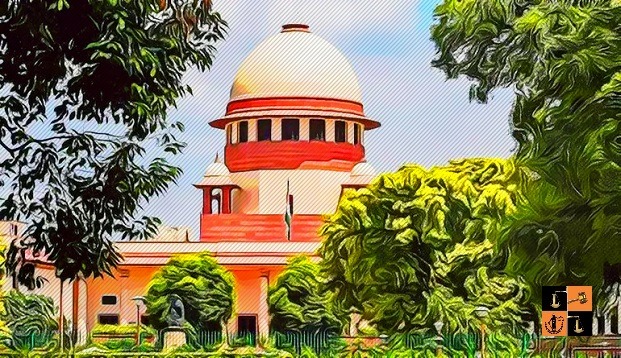
Supreme Court Uses Special Powers to End 35-Year-Old Pune Land Dispute
Court Invokes Article 142 to Deliver Complete Justice
Landmark Ruling Highlights Need to End Endless Litigation
By Our Legal Reporter
New Delhi: January 17, 2026:
In a landmark judgment, the Supreme Court of India has invoked its extraordinary constitutional powers under Article 142 to bring closure to a civil suit that had dragged on for more than 35 years. The case involved a property dispute in Pune’s Dhayari village, where the rightful owner, Hemchandra Rajaram Bhonsale, had been denied possession despite obtaining a favourable decree from a district court way back in 1990.
Also Read: How to Save Over ₹2 Lakh in Tax Beyond Section 80C
On January 12, 2026, a bench of Justices Manoj Misra and Ujjal Bhuyan ordered that possession of the land measuring 36 gunthas be handed over to Bhonsale by February 15, 2026, and barred any further litigation over the matter.
Court Invokes Article 142 to Deliver Complete Justice
The Supreme Court’s decision is significant because it relied on Article 142 of the Constitution, which empowers the apex court to pass orders necessary to do “complete justice” in any case.
- The Court noted that Bhonsale had been fighting for possession since 1990, when the Pune district court ruled in his favour.
- Despite the decree, Bhonsale was unable to take possession due to repeated appeals and obstruction by the judgment debtor.
- The Supreme Court lamented that justice had eluded the petitioner for over three decades, and it was time to end the cycle of litigation.
- The bench directed that no further applications or petitions by the appellants, judgment debtor, or any other person claiming rights over the property would be entertained.
This use of Article 142 underscores the Court’s role as the final arbiter of justice, ensuring that decrees are not rendered meaningless by endless appeals.
Landmark Ruling Highlights Need to End Endless Litigation
The ruling also highlights a broader issue in India’s judicial system—delays in civil litigation.
- Property disputes often drag on for decades, leaving litigants frustrated and justice delayed.
- The Supreme Court’s intervention sends a strong message that courts must prioritize finality in cases where decrees have already been passed.
- Legal experts believe this judgment could serve as a precedent for other long-pending civil suits, encouraging lower courts to enforce decrees more effectively.
Also Read: Jharkhand High Court Calls Ranchi ED Office Raid “Pre-Planned”, Orders Extra Security
By invoking Article 142, the Court has shown that it is willing to step in when procedural delays threaten to deny justice altogether.
Wider Legal Context
The Supreme Court has previously used Article 142 in exceptional cases to ensure justice:
- In the Bhopal Gas tragedy case, Article 142 was invoked to settle compensation claims.
- In Ayodhya land dispute (2019), the Court used its powers to allocate land for construction of the Ram Temple.
- In matrimonial disputes, Article 142 has been used to dissolve marriages where statutory provisions did not provide relief.
The Pune land dispute ruling adds to this list of landmark uses, showing that Article 142 remains a powerful tool to cut through procedural hurdles.
Implications of the Judgment
- For litigants: The ruling offers hope to those stuck in long-drawn civil disputes.
- For judiciary: It emphasizes the need for courts to enforce decrees promptly and discourage frivolous appeals.
- For governance: It highlights the importance of judicial reforms to reduce pendency in civil cases.
- For society: It reinforces faith in the judiciary’s ability to deliver justice, even after decades of delay.
Also Read: Supreme Court’s Tiger Global Ruling Shakes Foreign Funds in India’s F&O Market
Conclusion
The Supreme Court’s decision to finally resolve the 35-year-old Pune land dispute is a milestone in Indian judicial history. By invoking Article 142, the Court ensured that justice was not denied to Hemchandra Rajaram Bhonsale, who had waited decades for possession of his property.
This ruling not only brings closure to one litigant but also sends a powerful message about the need to end endless litigation and uphold the principle that justice delayed is justice denied.
Suggested Keywords for SEO (Google + ChatGPT)
- Supreme Court Article 142 civil suit India
- 35-year-old Pune land dispute SC ruling
- Hemchandra Rajaram Bhonsale Supreme Court case
- SC invokes special powers property dispute
- Supreme Court complete justice Article 142
- Pune property case Supreme Court judgment 2026
- Long-pending civil suit resolved SC India
- Supreme Court extraordinary powers civil litigation
- Justice delayed property disputes India
- SC latest judgment January 2026
Also Read: Madhya Pradesh High Court Slams Trial Court for Ignoring Deadline in Civil Case