Supreme Court issues notice to Centre, CBI, ED, SFIO on plea for probe into ₹150 Crore Fraud During Stalled Insolvency Process
Court Takes Serious Note of Alleged Corporate Fraud
Investigation Ordered into Transactions During CIRP Moratorium
By Our Legal Reporter
New Delhi: January 24, 2026:
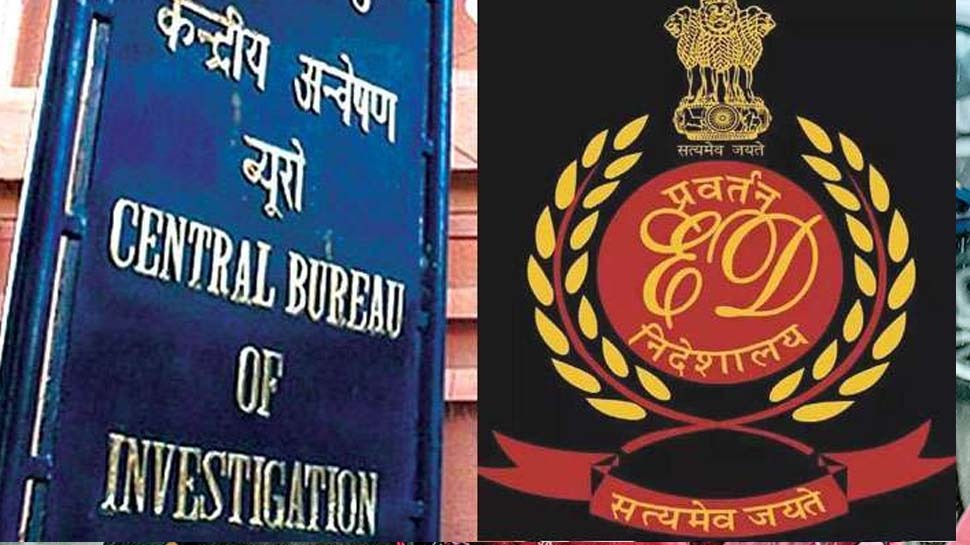
In a significant move aimed at safeguarding the integrity of India’s insolvency framework, the Supreme Court of India has issued notice to the Central Bureau of Investigation (CBI) and the Enforcement Directorate (ED) on a petition to probe alleged fraudulent transactions worth nearly ₹150 crore that took place during a stalled Corporate Insolvency Resolution Process (CIRP). The Court also issued notices to the Serious Fraud Investigation Office (SFIO) and relevant government authorities, highlighting concerns of collusion, judicial impropriety, and manipulation of records.
Also Read: Supreme Court Fines Centre ₹25,000 for Giving Wrong Information
Background of the Case
The case was brought before the Supreme Court by Saurabh Agarwal, Director of Bengal Cold Rollers Pvt. Ltd., an operational creditor of KLSR Infratech Limited. The petitioner alleged that despite the company being under insolvency proceedings for over 30 months, its suspended management continued to operate illegally, siphoning off funds and engaging in transactions during the moratorium period mandated under the Insolvency and Bankruptcy Code (IBC).
The plea further alleged collusion between state authorities and even hinted at judicial influence that allowed the insolvency process to remain stalled. Advocate Ashwini Kumar Upadhyay appeared for the petitioner, stressing the need for an independent probe to restore faith in the insolvency mechanism.
Court’s Observations
The Bench, comprising Chief Justice Surya Kant and Justice Joymalya Bagchi, took serious note of the allegations. The Court observed that:
- Transactions during a CIRP moratorium are illegal and undermine the IBC framework.
- Allegations of collusion and judicial impropriety raise serious concerns about transparency.
- Independent investigation by agencies like CBI, ED, and SFIO is necessary to ensure accountability.
The Court issued notices to the Centre, the State of Telangana, and multiple Union ministries, including Home Affairs, Finance, Law and Justice, and Corporate Affairs, seeking their responses.
Implications of the Ruling
This directive has far-reaching consequences:
- Strengthening IBC credibility: The ruling reinforces the sanctity of the insolvency process and ensures that moratorium provisions are respected.
- Corporate accountability: Suspended managements can no longer exploit loopholes to continue operations illegally.
- Judicial integrity: By acknowledging allegations of judicial collusion, the Court has signalled its commitment to transparency.
- Investor confidence: A strong message is sent to creditors and investors that the insolvency framework will be protected against fraud.
Expert Reactions
Legal experts and insolvency professionals have welcomed the Court’s intervention:
- Corporate lawyers say the probe will deter future violations of moratorium rules.
- Chartered accountants believe the investigation will uncover systemic weaknesses in monitoring insolvent companies.
- Policy analysts argue that this case could lead to reforms in how insolvency proceedings are supervised.
Employee unions and creditor groups have also expressed relief, noting that prolonged insolvency delays often leave stakeholders vulnerable to financial losses.
Broader Significance
The case underscores the challenges India faces in implementing the Insolvency and Bankruptcy Code. While the IBC was designed to provide a time-bound resolution of corporate distress, delays and manipulation have undermined its effectiveness.
By ordering a probe into alleged fraudulent transactions, the Supreme Court has reaffirmed its role as a guardian of corporate governance. The ruling is expected to set a precedent for stricter enforcement of insolvency laws and greater scrutiny of management practices during CIRP.
Conclusion
The Supreme Court’s directive for a CBI and ED probe into ₹150 crore transactions during a stalled CIRP marks a turning point in India’s insolvency jurisprudence. It highlights the judiciary’s resolve to protect the integrity of the IBC and ensure that corporate fraud does not go unchecked.
Also Read: Bombay High Court: No Parallel Contempt Jurisdiction Over NCLT in Insolvency Cases
EXCLUSIVE BOOK OFFER FOR COURTKUTCHEHRY READERS from our In-House Publication. Highly Recommended. Grab It!
For readers interested in deeper insights into succession law, probate, and drafting of wills, a valuable resource is the book Will Writing Simplified [Law, Procedure and Drafting of Wills, Codicils, Revocation, Probate, Letters of Administration and Succession Certificates with Supreme Court Case Law]. It provides practical guidance and case law analysis relevant to legal professionals. Explore it here.
Keywords for SEO & Faster Searches
- Supreme Court CBI ED probe
- ₹150 crore insolvency fraud
- Stalled CIRP investigation India
- Insolvency and Bankruptcy Code violations
- Corporate fraud Supreme Court India
- Judicial collusion insolvency case
- KLSR Infratech insolvency
- Employee and creditor rights CIRP
- Will Writing Simplified book
- Probate and succession law India