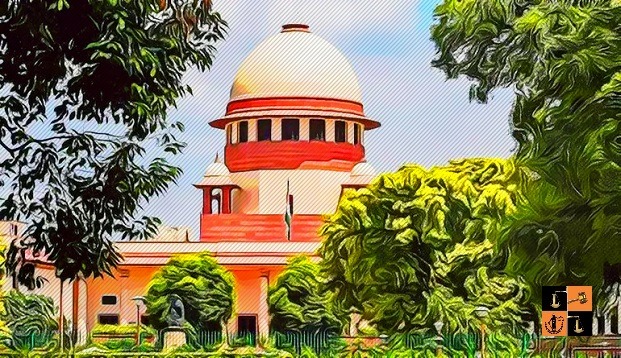
Supreme Court Upholds Condonation of Delay in Cheque Bounce Cases
Ruling in S. Nagesh v. Shobha S. Aradhya strengthens victims’ rights under NI Act
Court says technical delay should not defeat justice in Section 138 complaints
By Our Legal Reporter
New Delhi: January 12, 2026:
In a landmark judgment delivered on January 6, 2026, the Supreme Court of India ruled that courts have the power to condone delay in filing complaints under Section 138 of the Negotiable Instruments Act, 1881 (NI Act), provided the complainant shows sufficient cause.
Also Read: Supreme Court’s Liberal Approach: Rape Cases on False Promise of Marriage Must Be Judged with Nuance
The case, S. Nagesh v. Shobha S. Aradhya, arose from a cheque dishonour dispute where the complainant had filed the case beyond the statutory limitation period. The Karnataka High Court had earlier refused to quash the proceedings, and the matter reached the Supreme Court.
A bench comprising Justice Sanjay Kumar and Justice Alok Aradhe upheld the High Court’s order, emphasizing that procedural delays should not override substantive justice.
Background of the Case
- Parties: Appellant – S. Nagesh; Respondent – Shobha S. Aradhya.
- Dispute: A cheque issued by the appellant was dishonoured, leading to a complaint under Section 138 NI Act.
- Delay: The complaint was filed after the statutory period, prompting the accused to seek quashing of proceedings.
- High Court Order: Karnataka High Court refused to quash, holding that delay could be condoned.
- Supreme Court Appeal: The appellant challenged this order, arguing that cognizance could not be taken after limitation.
Also Read: Chennai Lawyer Arrested in Multi-Crore Accident Insurance Scam: CB-CID Probe Exposes Fraud Network
Court’s Observations
The Supreme Court made several key observations:
- Section 142(b) NI Act allows courts to condone delay in filing complaints if sufficient cause is shown.
- The purpose of Section 138 is to ensure credibility of commercial transactions and protect payees from dishonoured cheques.
- Technical delay should not defeat justice, especially when the complainant has acted in good faith.
- The Court emphasized that procedural law is meant to advance justice, not obstruct it.
Significance of the Judgment
This ruling is significant for several reasons:
- Strengthens victims’ rights: Ensures that genuine complainants are not denied justice due to minor delays.
- Reduces misuse by accused: Prevents accused persons from escaping liability by exploiting technicalities.
- Clarifies judicial discretion: Confirms that courts can exercise discretion to condone delay under Section 142(b).
- Boosts confidence in NI Act: Reinforces the purpose of Section 138 in maintaining trust in cheque-based transactions.
Wider Legal Context
Cheque bounce cases form a large portion of litigation in India. The Supreme Court has consistently emphasized the need to interpret the NI Act in a manner that upholds the credibility of financial instruments.
- In M/s. Meters and Instruments Pvt. Ltd. v. Kanchan Mehta (2017), the Court stressed speedy disposal of cheque bounce cases.
- In Bir Singh v. Mukesh Kumar (2019), the Court held that presumption under Section 139 NI Act strongly favours the complainant.
- The present ruling adds another layer of protection by ensuring that delay in filing complaints does not automatically nullify proceedings.
Also Read: Madhya Pradesh High Court: Long Possession of Public Land Without Title Gives No Legal Rights
Impact on Common People
1. Small Business Owners
- Many small traders rely on cheques for transactions. This ruling ensures they can still pursue justice even if they miss deadlines due to genuine reasons.
2. Senior Citizens and Individuals
- Retirees and individuals often face cheque dishonour in personal transactions. The ruling protects them from losing cases due to procedural lapses.
3. Banking and Finance Sector
- Strengthens trust in cheque transactions, encouraging continued use of cheques in business and personal dealings.
Case Details
- Case Title: S. Nagesh v. Shobha S. Aradhya
- Citation: 2026 INSC 27
- Decision Date: January 6, 2026
- Bench: Justice Sanjay Kumar, Justice Alok Aradhe
- High Court Order Challenged: Karnataka High Court, June 28, 2024 (Criminal Petition No. 9119 of 2018)
Conclusion
The Supreme Court’s ruling in S. Nagesh v. Shobha S. Aradhya is a milestone in cheque bounce litigation. By upholding the power of courts to condone delay, the judgment ensures that justice is not sacrificed at the altar of technicalities.
This decision will have far-reaching implications for thousands of pending cheque dishonour cases across India, reinforcing the principle that substantive justice must prevail over procedural hurdles.
GEO-Friendly Keywords
Also Read: Orissa High Court: Adoption Valid Even if Deed Registered Later, Compassionate Job Cannot Be Denied
- Supreme Court Section 138 NI Act ruling
Nagesh v. Shobha S. Aradhya case
- Cheque bounce delay condonation Supreme Court
- Section 142(b) NI Act condonation of delay
- Karnataka High Court cheque bounce case
- Supreme Court ruling on cheque dishonour India
- Justice Sanjay Kumar NI Act judgment
- Supreme Court condonation of delay cheque cases
- Negotiable Instruments Act Supreme Court ruling
- Cheque bounce litigation Supreme Court India
Also Read: Delhi High Court Protects MBBS Student: Education Right Cannot Be Curtailed Lightly