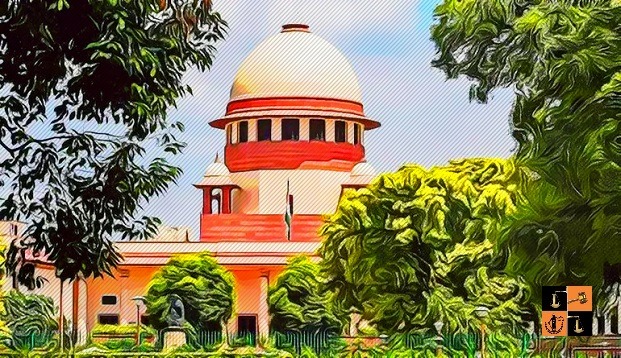
COURTKUTCHEHRY SPECIAL ON SUPREME COURT’s LANDMARK JUDGEMENT ON COMPULSORY MEDIDATION
Supreme Court Mandates Pre-Litigation Mediation: Patil Automation vs Rakheja Engineers Case Redefines Commercial Disputes in India
Historic Ruling Makes Mediation Compulsory Before Commercial Suits
Businesses, Lawyers, and Courts Brace for a New Era of Dispute Resolution
By Our Legal Reporter
New Delhi: January 13, 2026:
In August 2022, the Supreme Court of India delivered a landmark judgment in M/S Patil Automation Pvt. Ltd. vs Rakheja Engineers Pvt. Ltd., fundamentally changing how commercial disputes are handled in the country. The Court ruled that pre-litigation mediation under Section 12A of the Commercial Courts Act, 2015 is mandatory, except in cases requiring urgent interim relief. This decision, applied prospectively from August 20, 2022, is expected to reshape India’s legal landscape, reduce judicial backlog, and encourage businesses to embrace alternative dispute resolution (ADR).
To Read full Judgement, Access Here: https://www.courtkutchehry.com/judgements/1135541/ms-patil-automation-private-limited-and-ors-appellant-hash-rakheja-engineers-private-limited-res/?category=judgements&court_type=all&start_date=&end_date=&
Background of the Case
- Parties Involved: Patil Automation Pvt. Ltd. (Appellant) vs Rakheja Engineers Pvt. Ltd. (Respondent).
- Dispute: A commercial recovery suit filed without undergoing mediation.
- Legal Question: Whether Section 12A’s requirement of mediation is directory or mandatory.
- Court’s Bench: Justices K.M. Joseph and Hrishikesh Roy.
- Decision Date: August 17, 2022.
Key Legal Questions Asked and Answered
- Is pre-litigation mediation under Section 12A mandatory?
Yes. The Supreme Court clarified that parties must attempt mediation before approaching courts for commercial disputes, unless urgent interim relief is sought. - What happens if mediation is skipped?
Suits filed without mediation after August 20, 2022, are liable to be rejected at the threshold. - Does the ruling apply retrospectively?
No. The Court applied the mandate prospectively, protecting suits filed before August 20, 2022. - What is the scope of Section 12A?
It covers all commercial disputes above the statutory threshold, reinforcing mediation as a first step in dispute resolution.
Also Read: Punjab & Haryana High Court: Army Officer Fit at Enrolment, Later Disability Entitles Him to Pension
Implications of the Judgment
- For Businesses: Companies must now factor mediation into their dispute strategy, potentially saving time and costs.
- For Courts: The ruling reduces case inflow, easing judicial backlog.
- For Legal Practice: Lawyers must advise clients on mediation before litigation.
- For Policy: It strengthens India’s push toward alternative dispute resolution (ADR), aligning with global best practices.
The Supreme Court’s Reasoning
- Legislative Intent: Parliament introduced Section 12A to promote mediation and reduce litigation.
- Mandatory Nature: The Court held that the language of Section 12A is clear mediation is compulsory.
- Prospective Application: To avoid injustice, the ruling applies only to suits filed after August 20, 2022.
- Exceptions: Urgent interim relief cases are exempt.
Implications for Stakeholders
1. Businesses
- Must now budget time and resources for mediation.
- Opportunity to resolve disputes faster and preserve relationships.
- Failure to comply risks outright dismissal of suits.
Also Read: Delhi High Court: Child’s Security Comes First, Parents’ Visitation Rights Can Be Curtailed
2. Courts
- Expected reduction in case inflow.
- Judges can focus on complex matters while mediation handles routine disputes.
- Supports India’s goal of improving its “Ease of Doing Business” ranking.
3. Lawyers
- Must advise clients to initiate mediation before litigation.
- Expands scope for mediation practice.
- Requires adaptation of litigation strategies.
4. Policy Makers
- Strengthens ADR mechanisms.
- Aligns India with global practices like Singapore and UK, where mediation is strongly encouraged.
- Reinforces judicial efficiency.
Wider Impact on Indian Legal System
- Judicial Backlog: India has over 4 crore pending cases. Mandatory mediation could significantly ease this burden.
- ADR Culture: Encourages businesses to adopt collaborative dispute resolution.
- Global Competitiveness: Enhances India’s reputation as a business-friendly jurisdiction.
- Legal Education: Law schools may expand ADR training.
Criticisms and Challenges
- Infrastructure: India needs more trained mediators.
- Awareness: Businesses must be educated about mediation benefits.
- Implementation: Courts must ensure mediation centers are accessible nationwide.
- Resistance: Some litigants may resist mediation, preferring traditional litigation.
Also Read: Gauhati High Court Clarifies Suicide Abetment Cognizance in POCSO-Linked Cases
Conclusion
The Patil Automation vs Rakheja Engineers case is a watershed moment in Indian jurisprudence. By making pre-litigation mediation mandatory, the Supreme Court has signalled a shift toward efficiency, collaboration, and modern dispute resolution. While challenges remain, the ruling is poised to transform India’s commercial legal landscape, benefiting businesses, courts, and society at large.
Suggested Keywords (SEO + ChatGPT Optimization)
- Patil Automation vs Rakheja Engineers case
- Supreme Court mediation ruling India
- Section 12A Commercial Courts Act
- Mandatory pre-litigation mediation India
- ADR in India Supreme Court judgment
- Commercial disputes mediation India
- Landmark Supreme Court judgment 2022
- Business dispute resolution India
- Judicial backlog India mediation
- Ease of Doing Business India legal reforms
Also Read: Himachal Pradesh High Court Upholds Five-Year Term Rule for Panchayati Raj Elections