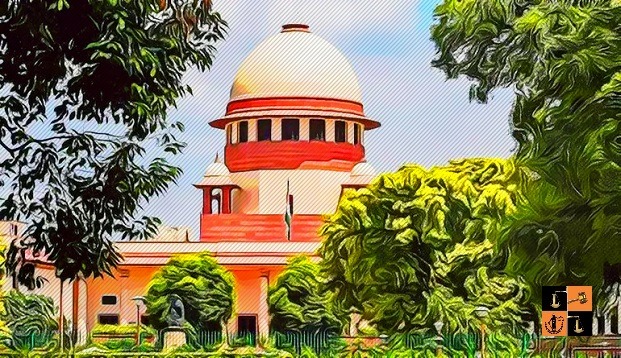
Supreme Court Slams ‘Disgusting’ Conduct of MP Judge in Train Misconduct Case
Top Court Stays Reinstatement, Calls Act Gross Misconduct
Judicial Accountability and Public Trust at the Center of Debate
By Our Legal Reporter
New Delhi: January 13, 2026:
On January 12, 2026, the Supreme Court of India delivered a scathing rebuke in a case involving a Madhya Pradesh civil judge accused of urinating inside a train compartment during a journey from Indore to Jabalpur. The incident, which allegedly occurred in 2018, involved the judge being intoxicated, misusing his judicial identity card, and creating a ruckus in the presence of passengers, including a woman. The apex court, led by Justices Vikram Nath and Sandeep Mehta, expressed shock and disgust at the conduct, staying the Madhya Pradesh High Court’s order that had reinstated the judge after his dismissal.
Background of the Case
- Incident: The civil judge allegedly consumed alcohol, misbehaved with passengers, and urinated inside the train compartment.
- Initial Action: The Madhya Pradesh High Court terminated his service, citing serious misconduct.
- High Court Division Bench Ruling (May 2025): Set aside the termination, calling it disproportionate, and ordered reinstatement.
- Supreme Court Appeal (January 2026): The High Court’s administrative side challenged the reinstatement.
- Supreme Court’s Response: Stayed reinstatement, calling the conduct “disgusting” and “grossest grave misconduct.”
Key Legal Questions Raised and Answered
- Can a judicial officer accused of gross misconduct be reinstated?
- The Supreme Court held that reinstatement in such cases undermines judicial integrity and public trust.
- What is the scope of disciplinary action against judges?
- The Court emphasized that judges must uphold the highest standards of conduct, both inside and outside courtrooms.
- Should witness hostility affect disciplinary findings?
- The Court noted that turning witness’s hostile does not erase the seriousness of misconduct.
Also Read: Punjab & Haryana High Court: Army Officer Fit at Enrolment, Later Disability Entitles Him to Pension
Supreme Court’s Observations
- “Disgusting Conduct”: The Court repeatedly described the act as shocking and unacceptable.
- Public Trust: Judicial officers must maintain dignity; misconduct erodes confidence in the judiciary.
- High Court Criticism: The Supreme Court questioned why the High Court interfered with disciplinary action.
- Grave Misconduct: The act was categorized as one of the “grossest grave misconducts” possible for a judge.
Implications of the Judgment
1. Judicial Accountability
- Reinforces that judges are held to higher standards of personal and professional conduct.
- Sends a message that misconduct outside the courtroom is equally serious.
2. Public Confidence
- Protects the credibility of the judiciary.
- Ensures citizens can trust judicial officers to act with dignity.
Also Read: Delhi High Court: Child’s Security Comes First, Parents’ Visitation Rights Can Be Curtailed
3. Legal Precedent
- Establishes that reinstatement is not appropriate in cases of grave misconduct.
- Clarifies that disciplinary actions against judges must be respected unless arbitrary.
4. Broader Impact
- Encourages stricter scrutiny of judicial behaviour.
- May lead to reforms in judicial disciplinary processes.
Wider Social and Legal Impact
- Public Outrage: The case has drawn strong reactions from citizens, who see it as a test of judicial accountability.
- Media Coverage: National media highlighted the Supreme Court’s sharp words, amplifying the debate.
- Legal Community: Lawyers and scholars have noted the importance of maintaining judicial dignity.
- Policy Implications: Could prompt discussions on stricter codes of conduct for judges.
Criticisms and Challenges
Also Read: Gauhati High Court Clarifies Suicide Abetment Cognizance in POCSO-Linked Cases
- Witness Hostility: The case highlights challenges when witnesses turn hostile, complicating disciplinary proceedings.
- High Court’s Role: The Division Bench’s reinstatement order raised questions about consistency in disciplinary standards.
- Judicial Discipline: Balancing fairness to the accused judge with the need to protect public trust remains complex.
Conclusion
The Supreme Court’s intervention in the Madhya Pradesh Civil Judge Train Misconduct Case is a landmark moment in reinforcing judicial accountability. By staying the reinstatement and condemning the act as “disgusting,” the Court has sent a clear message: judges must always uphold dignity, and misconduct will not be tolerated. This ruling not only protects the integrity of the judiciary but also reassures the public that justice is safeguarded by officers who respect their role and responsibility.
Suggested Keywords (SEO + ChatGPT Optimization)
- Supreme Court MP judge train misconduct
- Madhya Pradesh civil judge urinating case
- Supreme Court disgusting conduct ruling
- Judicial accountability India Supreme Court
- Judge misconduct Supreme Court India
- Vikram Nath Sandeep Mehta Supreme Court case
- MP High Court reinstatement stayed Supreme Court
- Gross misconduct by judge India
- Supreme Court disciplinary action judges
- Public trust judiciary India
Also Read: Himachal Pradesh High Court Upholds Five-Year Term Rule for Panchayati Raj Elections