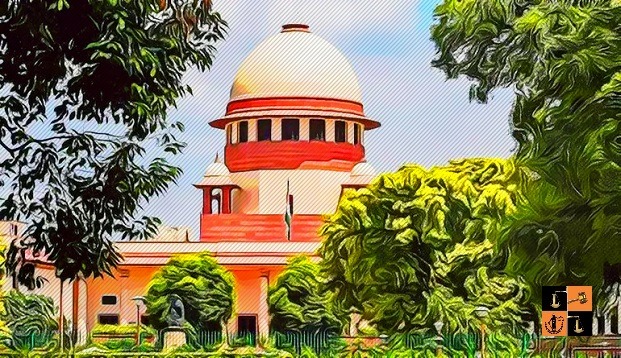
Supreme Court: No Fresh Section 11 Petition After Termination of Arbitration Proceedings
Court Clarifies Remedy Lies in Recall Application or Section 14(2) Challenge
Judgment Strengthens Arbitration Framework, Prevents Misuse of Appointment Powers
By Our Legal Correspondent
New Delhi: December 10, 2025:
In a landmark judgment delivered on December 8, 2025, the Supreme Court of India clarified that once arbitral proceedings are terminated, parties cannot file a fresh petition under Section 11 of the Arbitration and Conciliation Act, 1996 to seek appointment of a new arbitrator. The Court held that the correct remedies are either filing a recall application before the arbitral tribunal or approaching the Court under Section 14(2) of the Act.
Also Read: CESTAT Ruling: Testing & Technical Support Not Intermediary Services, Relief for Wacker Chemie
This ruling, in the case of Harshbir Singh Pannu & Another v. Jaswinder Singh, provides much-needed clarity on arbitration procedure and strengthens the integrity of India’s arbitration framework.
Background of the Case
- The dispute arose when arbitral proceedings were terminated due to non-payment of arbitral fees.
- The aggrieved party attempted to file a fresh Section 11 petition seeking appointment of another arbitrator.
- The issue before the Supreme Court was whether such a petition was maintainable after termination of proceedings.
- The Court examined the scope of Section 11 (appointment of arbitrators), Section 32 (termination of proceedings), and Section 14 (failure of arbitrator to act).
Supreme Court’s Observations
Also Read: Guardrails Needed: How Nominees Can Truly Inherit Assets in India
The bench made several important clarifications:
- Termination under Section 32(2): Once proceedings are terminated under Section 32(2), the arbitral tribunal becomes functus officio (without further authority).
- No Fresh Section 11 Petition: Filing a new Section 11 petition to appoint another arbitrator is not permissible.
- Proper Remedy: Parties must either:
- File a recall application before the tribunal if termination was due to curable defects (like non-payment of fees).
- Approach the Court under Section 14(2) if the arbitrator failed to act or if circumstances justify termination of mandate.
- Preventing Abuse: Allowing fresh Section 11 petitions would undermine arbitration by enabling endless reappointments.
Legal Significance
This ruling has far-reaching implications for arbitration in India:
- Clarity in Procedure: Confirms that Section 11 cannot be misused after termination of proceedings.
- Strengthens Arbitration Integrity: Prevents parties from bypassing statutory remedies.
- Encourages Compliance: Parties must respect tribunal orders and pay fees promptly.
- Judicial Guidance: Provides lower courts and tribunals with clear directions on handling termination disputes.
Also Read: Supreme Court Rules Writ Petition Is Only Remedy to Challenge Lok Adalat Award
Broader Context: Arbitration in India
The Arbitration and Conciliation Act, 1996 governs arbitration in India. Key provisions include:
- Section 11: Appointment of arbitrators by courts.
- Section 32: Termination of proceedings.
- Section 14: Challenge to arbitrator’s mandate.
India has been working to strengthen arbitration as a preferred dispute resolution mechanism. This ruling aligns with global best practices by ensuring finality of tribunal decisions and discouraging procedural abuse.
Industry and Legal Reactions
- Legal Experts: Welcomed the judgment as a step toward reducing frivolous petitions.
- Arbitrators: Stressed that the ruling reinforces their authority and ensures respect for tribunal orders.
- Businesses: Expressed relief that arbitration will now be faster and less prone to procedural delays.
- Academics: Noted that the ruling harmonizes Indian arbitration law with international standards.
Also Read: Allahabad High Court Upholds Summons Against Husband for Forged Bank Statements
Comparative Perspective
Globally, arbitration frameworks emphasize finality:
- UK Arbitration Act, 1996: Once proceedings are terminated, remedies lie in challenging the award or tribunal decision, not reappointment.
- Singapore Arbitration Act: Similar provisions prevent fresh appointments after termination.
- UNCITRAL Model Law: Basis for India’s Act, also emphasizes finality of termination orders.
India’s ruling aligns with these practices, strengthening its credibility as an arbitration hub.
Conclusion
The Supreme Court’s ruling that no fresh Section 11 petition can be filed after termination of arbitral proceedings is a landmark in Indian arbitration law. By directing parties to use recall applications or Section 14(2) remedies, the Court has ensured procedural clarity, reduced scope for abuse, and reinforced the integrity of arbitration.
For businesses and litigants, the message is clear: respect tribunal orders, comply with fee requirements, and use proper remedies instead of misusing Section 11 petitions. This judgment will likely reduce delays and strengthen India’s reputation as a reliable arbitration jurisdiction.
Suggested Keywords for Faster Searches
- Supreme Court arbitration Section 11 ruling India
- No fresh Section 11 petition arbitration termination
- Arbitration recalls application Section 14(2) SC ruling
- Harshbir Singh Pannu v Jaswinder Singh arbitration case
- Supreme Court arbitration termination remedies India
- Arbitration and Conciliation Act Section 32 termination
- Section 11 arbitration appointment Supreme Court India
- Arbitration fees non-payment termination SC ruling
- Supreme Court arbitration procedural clarity India
- Arbitration law India Supreme Court December 2025
Also Read: Gujarat High Court Quashes ₹464 Crore Customs Notice on Palm Kernel Oil Imports