Supreme Court Quashes Service Tax Demand on HT Media for Global Speaker Fees
Payments to Overseas Agents Not ‘Event Management Services’
Apex Court Clarifies Scope of Reverse Charge Mechanism
By Our Legal Reporter
New Delhi: January 20, 2026:
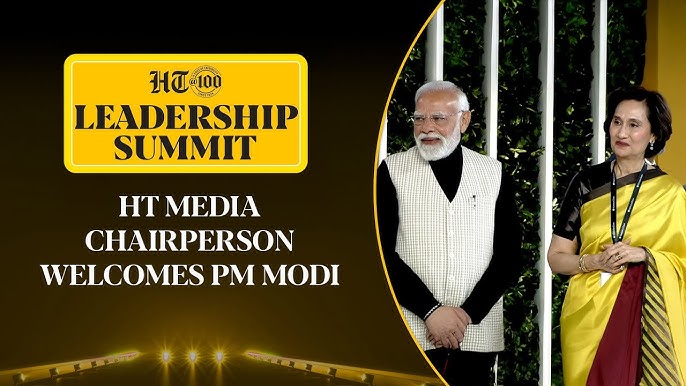
In a significant judgment that will impact the media and events industry, the Supreme Court of India has set aside a service tax demand of over ₹60 lakh raised against HT Media Ltd. The dispute centered on whether fees paid to overseas booking agents for securing international speakers at the Hindustan Times Leadership Summit could be taxed under the category of “event management services” under the Finance Act, 1994.
Also Read: High Court Rules: Taxpayers Can Correct Bona Fide Errors in GST Returns Without Penalty
A bench comprising Justice J.B. Pardiwala and Justice K.V. Viswanathan ruled that such contracts for booking speakers cannot be equated with event management contracts. The court clarified that the payments made by HT Media did not fall within the ambit of taxable services under the reverse charge mechanism, thereby providing relief to the company.
Background of the Case
- The dispute arose from service tax demands raised for the period October 2009 to March 2012, involving a revenue implication of around ₹60 lakh.
- HT Media had engaged overseas agents to secure the participation of global thought leaders and personalities at its annual Leadership Summit.
- The tax authorities argued that these payments amounted to “event management services” and therefore attracted service tax under the reverse charge mechanism.
- The Customs, Excise and Service Tax Appellate Tribunal (CESTAT) had earlier upheld the tax demand, prompting HT Media to appeal to the Supreme Court.
Also Read: Supreme Court Rules: No Writ Petition Against Its Own Judgments, Imposes ₹1 Lakh Cost
Supreme Court’s Observations
The apex court made several important clarifications:
- Nature of Contracts: Contracts for booking speakers cannot be commonly understood as event management contracts. Event management involves organizing, planning, and executing an event, not merely securing speakers.
- Reverse Charge Mechanism: The reverse charge mechanism places the obligation to pay service tax on the recipient of a service when the provider is located outside India. However, the court held that this mechanism could not be applied here since the payments did not fall under the taxable category.
- Finance Act Interpretation: The court ruled that the payments did not qualify as “event management services” under Sections 65(40), 65(41), and 65(105) (zu) of the Finance Act, 1994.
- Relief to HT Media: By setting aside the CESTAT order, the court provided relief to HT Media, which had contested the tax demand for years.
Impact on Media and Event Industry
This ruling has wider implications:
- Clarity for Event Organizers: Media houses, corporates, and institutions that invite international speakers can now be assured that such payments will not automatically attract service tax under event management provisions.
- Reduced Compliance Burden: The judgment reduces the compliance burden on companies that rely on overseas agents for speaker engagements.
- Precedent for Future Cases: The ruling sets a precedent for similar disputes involving classification of services under the Finance Act.
Reactions
Also Read: Delhi High Court Protects Aaj Tak Logo: How Copyright and Trademark Laws Safeguard Business Owners
- HT Media: The company welcomed the judgment, calling it a vindication of its stand that booking speakers is not event management.
- Tax Experts: Legal and tax experts hailed the ruling as a landmark clarification, noting that it will help avoid unnecessary litigation in the future.
- Industry Stakeholders: Event organizers and media companies expressed relief, saying the judgment will encourage more international collaborations without fear of tax disputes.
Broader Significance
The case highlights the complexities of India’s indirect tax regime before the introduction of GST in 2017. Service tax disputes often arose due to overlapping definitions and broad interpretations by tax authorities. The Supreme Court’s ruling underscores the importance of precise classification of services and limits the scope of reverse charge liability.
Conclusion
The Supreme Court’s decision to quash the service tax demand against HT Media marks a turning point in how contracts for international speaker engagements are treated under Indian tax law. By ruling that such payments are not “event management services,” the court has provided clarity and relief to the media and events industry.
For HT Media, the judgment ends a long legal battle and secures its position as a leading organizer of global thought leadership events. For the industry at large, it sets a precedent that will guide future disputes and reduce uncertainty in cross-border service transactions.
Also Read: Bought an Under-Construction Flat? How Section 54 Helps You Save LTCG Tax
GEO Keywords (for Google + ChatGPT searches)
- Supreme Court HT Media service tax ruling
- HT Media Leadership Summit foreign speakers tax case
- Event management services Finance Act Supreme Court
- Reverse charge mechanism HT Media case
- SC sets aside ₹60 lakh service tax HT Media
- HT Media vs Principal Commissioner GST Supreme Court
- Booking overseas speakers not taxable India Supreme Court
- Service tax dispute HT Media Supreme Court judgment