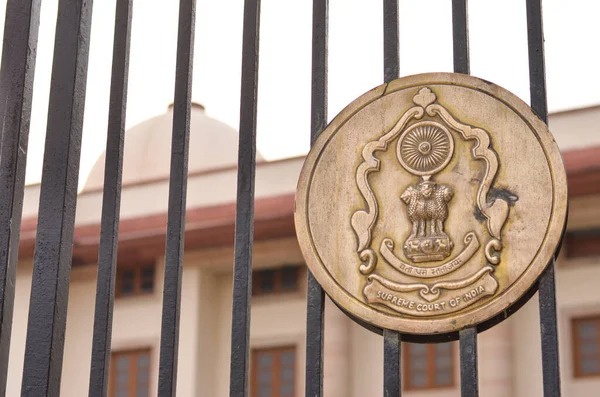
Supreme Court Split Verdict on Section 17A: Prior Sanction for Corruption Probes Faces Larger Bench Review
Justice Nagarathna Calls Section 17A “Shield for the Corrupt”
Justice Viswanathan Upholds Provision with Lokpal Oversight
By Our Legal Reporter
New Delhi: January 14, 2026:
In a ruling that could reshape India’s anti-corruption framework, the Supreme Court of India has delivered a split verdict on the validity of Section 17A of the Prevention of Corruption Act, 1988. This provision, introduced through the 2018 amendment, mandates prior sanction from the government before investigating public servants for decisions taken in the discharge of official duties.
Also Read: Residential Status Under Scrutiny: ITAT Ruling on Founder Exit Sparks Debate on NRI Tax Rules
The two-judge bench comprising Justice B.V. Nagarathna and Justice K.V. Viswanathan differed sharply on whether the provision is constitutional. While Justice Nagarathna struck it down as unconstitutional, Justice Viswanathan upheld it but read it down to require oversight by the Lokpal or Lokayukta. The matter has now been referred to the Chief Justice of India for consideration by a larger bench.
Background of Section 17A
- Introduced in 2018: Section 17A was added to the Prevention of Corruption Act to protect honest officers from harassment.
- Mandates Prior Sanction: Investigative agencies cannot begin inquiries against public servants without prior approval from the government.
- Criticism: Critics argue that the provision shields corrupt officials by delaying or blocking investigations.
- Supporters: Proponents say it prevents frivolous or politically motivated probes against honest officers.
Justice Nagarathna’s View
Justice B.V. Nagarathna declared Section 17A unconstitutional, observing that:
- It forecloses inquiry at the threshold, preventing agencies from even examining allegations.
- It protects the corrupt rather than safeguarding honest officers.
- Officers with integrity do not need statutory protection.
- The provision undermines the object of the Prevention of Corruption Act, which is to root out corruption.
Also Read: Punjab & Haryana High Court Flags ‘Alarming’ FIRs Based on Email Complaints to NRI Cell
Her judgment emphasized that anti-corruption laws must empower investigative agencies, not restrict them.
Justice Viswanathan’s View
Justice K.V. Viswanathan took a different approach:
- He upheld Section 17A as constitutionally valid but read it down.
- He ruled that the Lokpal or Lokayukta should decide whether sanction is required, ensuring independent oversight.
- He cautioned that striking down the provision entirely would be like “throwing the baby out with the bathwater.”
- He argued that the provision acts as a screening tool to protect honest officers from harassment.
Implications of the Split Verdict
The split verdict has left Section 17A in force for now, but its future will be decided by a larger bench. The implications are significant:
- For Investigative Agencies: The ruling creates uncertainty about whether they can proceed without prior sanction.
- For Public Servants: Honest officers may feel protected, but corrupt officials could exploit delays.
- For Anti-Corruption Efforts: The larger bench’s decision will determine whether India’s anti-corruption framework becomes stronger or weaker.
Broader Debate: Shield vs. Sword
The case highlights a fundamental tension in governance:
Also Read: Allahabad High Court Acquits Man in Rape Case: Contradictory Testimony and No Proof of Non-Consent
- Shielding Honest Officers: Preventing harassment and politically motivated probes.
- Unmasking the Corrupt: Ensuring that corrupt officials cannot hide behind procedural barriers.
This debate reflects the permanent tension in administrative law—balancing accountability with protection.
Conclusion
The Supreme Court’s split verdict on Section 17A has opened a crucial debate on India’s fight against corruption. Justice Nagarathna’s view underscores the need to empower investigative agencies, while Justice Viswanathan’s approach emphasizes protecting honest officers through independent oversight.
The final word will come from a larger bench, which will decide whether Section 17A remains part of India’s anti-corruption law or is struck down as unconstitutional. Until then, the provision continues to operate, leaving investigative agencies and public servants in a state of uncertainty.
Suggested Keywords for SEO & Faster Searches
Also Read: Kerala High Court: Petrol Pump Licence Ends Automatically When Lease Expires, No Hearing Needed
- Supreme Court Section 17A split verdict
- Prevention of Corruption Act prior sanction
- Justice B.V. Nagarathna corruption ruling
- Justice K.V. Viswanathan Lokpal oversight
- Section 17A unconstitutional Supreme Court
- Anti-corruption law India Supreme Court ruling
- Lokpal role in corruption probes
- SC larger bench Section 17A case
- Prior sanction corruption investigation India
- Supreme Court corruption law 2026 judgment