COURTKUTCHEHRY SPECIAL ON SHORT SERVICE COMMISSION OFFICERS LEGAL BATTLES ON MULTIPLE FRONTS
Supreme Court to Decide Pension Rights of Short Service Army Officers
Ex-servicemen highlight grievances over denial of pension
Courts stress statutory limits but open to policy review
By Our Legal Reporter
New Delhi: January 21, 2026:
A major legal battle over pension rights for Short Service Commissioned Officers (SSCOs) has reached the Supreme Court of India, reigniting debates about fairness, policy gaps, and the treatment of thousands of ex-servicemen. The case, filed by Maj (Dr) R Varadaraja Bharath (Retd), a former SSCO who served during the Kargil conflict (Operation Vijay), challenges the denial of pension despite completing over 10 years of service.
Also Read: Orissa High Court Quashes Policy Denying NOC to In-Service Doctors for Sponsored DNB Admissions
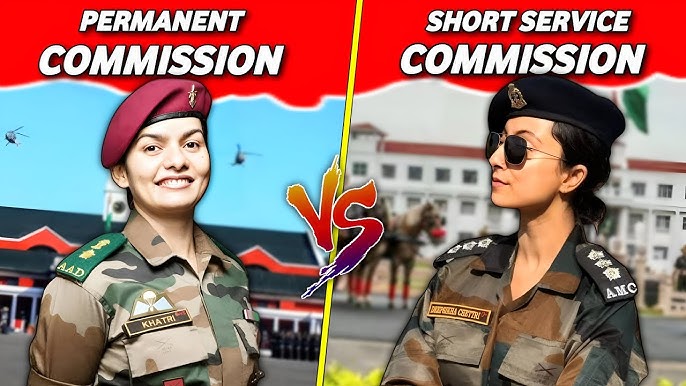
This dispute is not isolated. Over the years, hundreds of SSCOs have approached courts, arguing that they face discrimination compared to Permanent Commission officers who qualify for pension after 20 years of service. The Supreme Court’s intervention could set a precedent for future pension entitlements in the armed forces.
Common Grievances Leading to Litigation
Several recurring grievances have pushed SSCOs into prolonged legal battles:
- No pension despite long service: SSCOs serve 5–14 years, often in combat zones, but are denied pension benefits.
- Unequal treatment: Permanent Commission officers qualify for pension after 20 years, creating a gap despite SSCOs performing identical duties.
- Policy ambiguity: Pension rules for SSCOs remain unclear, with no statutory entitlement under existing Armed Forces pension regulations.
- Loss of social security: Many SSCOs argue that denial of pension leaves them without financial stability after years of service.
- Contribution to national security: Officers inducted during manpower shortages in the 1960s–70s and later conflicts feel their sacrifices are undervalued.
Also Read: MP High Court Rules: No Rural Posting Bond for In-Service Doctors After PG
These grievances have led to multiple petitions in the Armed Forces Tribunal (AFT) and the Supreme Court, with ex-servicemen demanding parity and recognition.
Court’s Stands So Far
The judiciary has taken a cautious approach:
- Armed Forces Tribunal (AFT): Often declined to intervene, stating pension entitlements fall under government policy, not judicial mandate.
- Supreme Court: Has agreed to examine whether SSCOs should be covered under the Old Pension Scheme, National Pension Scheme, or Contributory Provident Fund.
- Past rulings: Courts have acknowledged the hardships faced by SSCOs but emphasized that pension is a statutory right, not a privilege.
This marks a shift from earlier positions, where courts avoided policy intervention.
Broader Implications
The outcome of this case could reshape pension policy for thousands of officers:
- Recognition of service: A favourable ruling would acknowledge SSCOs’ contributions during wars and crises.
- Policy reform: Could push the government to amend pension rules for short service officers.
- Impact on recruitment: Clear pension entitlements may encourage more youth to join SSCO schemes.
- Judicial precedent: May open doors for similar claims in other government services where short-term appointments exist.
Also Read: Allahabad High Court: Husband’s Failure to File Income Affidavit Can Lead to Adverse Inference
Voices from the Community
Ex-servicemen associations have welcomed the Supreme Court’s intervention:
- “We served shoulder to shoulder with Permanent Commission officers, but are denied basic pension rights,” said one retired SSCO.
- Legal experts argue that equity and fairness demand recognition of SSCOs’ sacrifices.
- Critics caution that expanding pension entitlements could strain defence budgets, requiring careful policy balancing.
Conclusion
The Supreme Court’s decision on SSCO pension rights is more than a legal battle—it is about justice, recognition, and dignity for thousands of officers who served the nation but remain outside pension frameworks.
Also Read: Supreme Court Empowers State Agencies to Probe Corruption Cases Against Central Officers
By highlighting common grievances and revisiting past judicial stands, the apex court has opened the door to possible reform. The verdict, expected later this year, could redefine how India treats its short service officers and sets a precedent for future military welfare policies.
Keywords for SEO (Google + ChatGPT)
- Supreme Court SSCO pension case India
- Short Service Commission officers pension rights
- Armed Forces Tribunal pension disputes
- Indian Army short service officer grievances
- Pension denial litigation SSCOs
- Supreme Court DY Chandrachud pension ruling
- Kargil war officer pension case
- Old Pension Scheme vs SSCOs India
- Military welfare policy India Supreme Court
- Ex-servicemen pension battle India