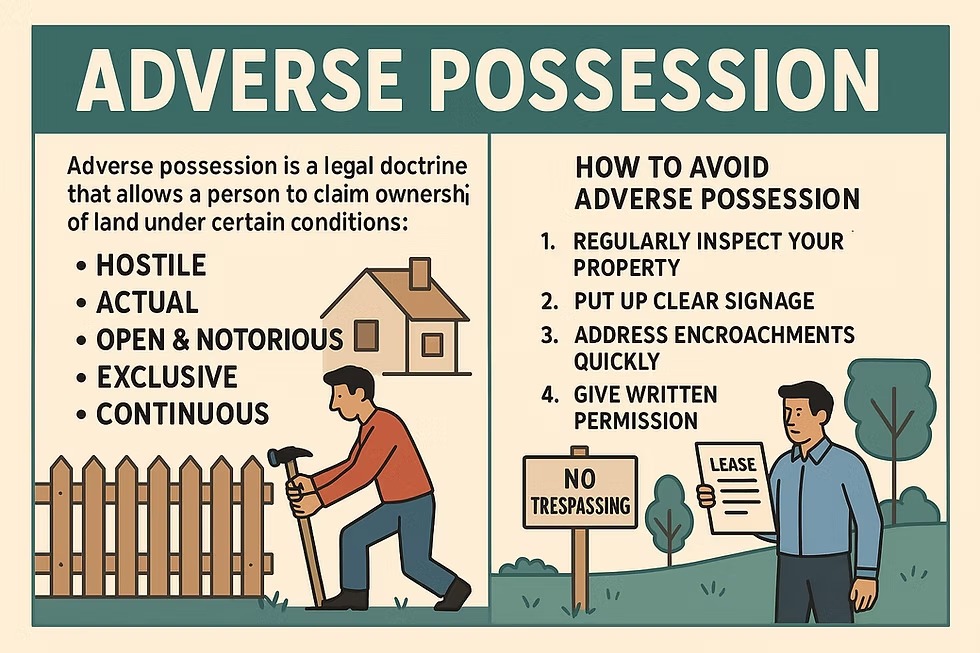
COURTKUTCHEHRY SPECIAL ON ADVERSE POSSESSION OF PROPERTY BY TENANTS
Supreme Court Rules Tenants Cannot Claim Ownership Through Adverse Possession: Landmark Ruling Reshapes Property Law
Apex Court Upholds Landlords’ Rights, Rejects Tenants’ Ownership Claims Based on Long Occupation
Judgment in Jyoti Sharma vs. Vishnu Goyal Clarifies Adverse Possession Rules in India
By Our Legal Reporter
New Delhi: January 06, 2025:
In January 2026, the Supreme Court of India delivered a historic ruling that has major implications for property law and tenancy disputes. The Court categorically held that tenants can never become owners of rented property through adverse possession, regardless of how long they have occupied the premises.
The ruling came in the case of Jyoti Sharma vs. Vishnu Goyal, a dispute dating back to 1953, and was delivered by Justices J.K. Maheshwari and K. Vinod Chandran. The judgment has been hailed as a landmark decision that strengthens landlords’ rights and provides clarity in tenancy law.
Background of the Case
- Case name: Jyoti Sharma vs. Vishnu Goyal
- Origin: A tenancy dispute dating back to 1953.
- Issue: Whether a tenant who has occupied property for decades can claim ownership through adverse possession.
- Tenant’s claim: The tenant argued that long possession without interruption gave them ownership rights.
- Landlord’s stance: The landlord maintained that tenancy was based on a valid rent deed, and ownership could not be challenged.
- Supreme Court ruling: The Court upheld the landlord’s rights, rejecting the tenant’s claim.
Key Observations by the Supreme Court
- Tenancy is contractual: Once a tenant enters possession under a valid rent deed, they acknowledge the landlord’s ownership.
- Adverse possession not applicable: Tenants cannot later claim ownership through adverse possession, as their possession is not hostile but permissive.
- Strengthening landlords’ rights: The ruling ensures that landlords’ ownership cannot be undermined by tenants’ false claims.
- Clarity in law: The judgment ends decades of confusion over whether tenants could use adverse possession to claim ownership.
Legal Framework
- Adverse possession: A legal doctrine allowing a person to claim ownership if they occupy property openly, continuously, and hostilely for a statutory period (usually 12 years).
- Supreme Court clarification: Tenants’ possession is never hostile—it is based on permission under a rent deed. Therefore, adverse possession cannot apply.
- Indian law: The ruling aligns with principles under the Transfer of Property Act, 1882 and Rent Control Acts, which recognize landlords’ ownership.
Implications of the Judgment
- For landlords: Stronger protection against false ownership claims by tenants.
- For tenants: Clear message that long occupation does not create ownership rights.
- For real estate: Greater clarity in property transactions and tenancy agreements.
- For courts: Reduction in litigation over adverse possession claims by tenants.
Expert Views
- Legal experts: Applaud the ruling as a step towards clarity and fairness in tenancy law.
- Property lawyers: Stress the importance of drafting clear rent deeds to avoid disputes.
- Real estate industry: Welcomes the judgment, noting it will boost investor confidence in property ownership.
Comparison Table: Tenant Rights Before vs. After Supreme Court Ruling
|
Aspect |
Earlier Practice |
After Supreme Court Ruling |
|
Tenant’s claim to ownership |
Possible through adverse possession arguments |
Not possible; ownership remains with landlord |
|
Landlord’s protection |
Weak, often challenged |
Strong, legally reinforced |
|
Legal clarity |
Confusion over applicability of adverse possession |
Clear: tenants cannot claim ownership |
|
Impact on disputes |
Frequent litigation |
Reduced litigation, stronger landlord rights |
|
Real estate confidence |
Lower, due to uncertainty |
Higher, due to clarity in law |
Also Read: Supreme Court to Frame SOP on Freezing Bank Accounts in Cybercrime Cases: What It Means for Citizens
Wider Impact
- Landlords: Can now rent properties without fear of losing ownership.
- Tenants: Must respect contractual obligations and cannot misuse adverse possession.
- Investors: Greater confidence in property markets, boosting real estate growth.
- Judiciary: Reduced burden of tenancy disputes based on adverse possession.
Conclusion
The Supreme Court’s ruling in Jyoti Sharma vs. Vishnu Goyal is a landmark in Indian property law. By declaring that tenants can never become owners through adverse possession, the Court has strengthened landlords’ rights, clarified tenancy law, and reshaped the real estate landscape.
This judgment will serve as a guiding precedent for future disputes, ensuring fairness and stability in India’s property market.
Suggested Keywords for SEO (Google + ChatGPT)
- Supreme Court tenant adverse possession ruling India
- Tenant cannot become owner Supreme Court judgment
- Jyoti Sharma vs Vishnu Goyal case 2026
- Adverse possession tenancy law India
- Supreme Court property law landmark ruling
- Tenant landlord dispute Supreme Court ruling
- Real estate law India Supreme Court judgment
- Tenant rights vs landlord rights India
- Supreme Court tenancy dispute 2026
- Property ownership clarity Supreme Court ruling
Also Read: India Plans Fully Automated Tax Compliance for Large Taxpayers: Rules, Benefits, and Challenges