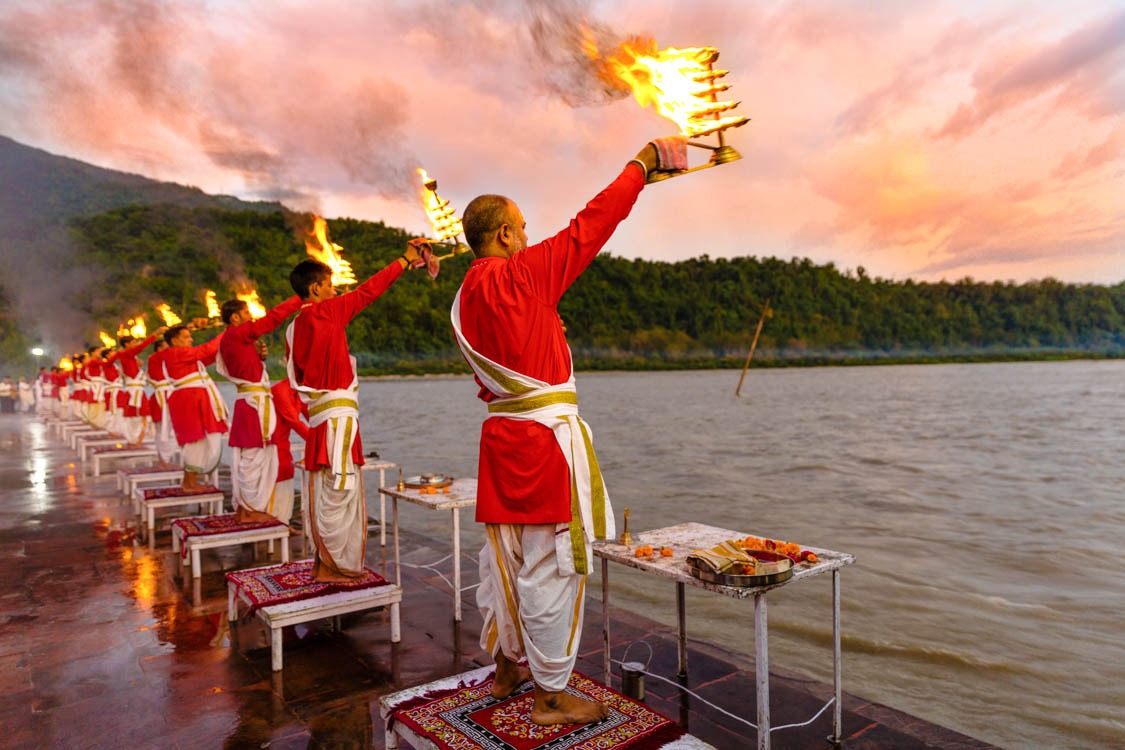
Uttarakhand High Court Allows Ganga Aarti at Triveni Ghat with Strict Conditions
Court says ritual is cultural heritage, must not be commercialised
Shri Ganga Sabha permitted to continue temporarily despite expired registration
By Our Legal Correspondent
New Delhi: January 21, 2026:
In a ruling that balances religious tradition with regulatory oversight, the Uttarakhand High Court has granted interim relief to Shri Ganga Sabha, Rishikesh, permitting it to continue performing the Ganga Aarti at Triveni Ghat. The Court described the ritual as a time-honoured public observance rooted in India’s cultural and civilisational heritage but imposed strict conditions to prevent exploitation of pilgrims and tourists.
Also Read: Orissa High Court Quashes Policy Denying NOC to In-Service Doctors for Sponsored DNB Admissions
The case arose after the Rishikesh Nagar Nigam passed a resolution restraining Shri Ganga Sabha from conducting the aarti, citing the expiry of its registration and allegations of commercial exploitation. The Sabha challenged the order, leading to urgent hearings before the High Court.
Background of the Case
- The Rishikesh Nagar Nigam issued an order stopping Shri Ganga Sabha from managing the Ganga Aarti at Triveni Ghat.
- The civic body argued that the Sabha’s registration had expired, and it had no legal right to conduct the ritual.
- Allegations were also made that the Sabha was charging entry fees, exploiting vendors, and failing to maintain cleanliness.
- Shri Ganga Sabha filed a writ petition under Article 226 of the Constitution, seeking to quash the order.
- The matter was heard by a vacation bench of Justice Ashish Naithani.
Court’s Observations
Also Read: MP High Court Rules: No Rural Posting Bond for In-Service Doctors After PG
The High Court allowed the continuation of the aarti but imposed strict conditions:
- No entry fee or ticket: Pilgrims and tourists must not be charged to participate in the ritual.
- No exploitation of vendors: Local vendors selling flowers, lamps, or other ritual items cannot be exploited through commissions or rent without Nagar Nigam’s approval.
- Cleanliness: The Sabha must ensure proper cleanliness and waste management at the ghat.
- Temporary relief: The order is strictly interim and does not confer any permanent rights.
The Court emphasized that the Ganga Aarti is not merely a religious ritual but a cultural and civilisational heritage that must be preserved with dignity.
Why This Judgment Matters
This ruling has wider implications for religious practices and governance in India:
- Protects heritage: Recognizes the cultural importance of the Ganga Aarti.
- Prevents exploitation: Ensures pilgrims are not monetarily or sentimentally exploited.
- Regulatory oversight: Reinforces the role of civic bodies in maintaining transparency and accountability.
- Balance of interests: Safeguards tradition while addressing concerns of commercialization.
Likely Impact on Pilgrims and Local Community
Also Read: Allahabad High Court: Husband’s Failure to File Income Affidavit Can Lead to Adverse Inference
- Pilgrims: Can continue attending the aarti without paying fees, ensuring inclusivity.
- Vendors: Protected from exploitation, with fair opportunities to sell ritual items.
- Local community: Benefits from improved cleanliness and regulated management of the ghat.
- Tourism: The ruling reassures visitors that the ritual remains authentic and accessible.
Reactions to the Judgment
- Religious groups: Welcomed the decision as a recognition of the aarti’s cultural significance.
- Local vendors: Expressed relief at protection from exploitation.
- Civic authorities: Maintained that regulation is necessary to prevent misuse.
- Legal experts: Saw the ruling as a balanced approach to heritage preservation and governance.
Broader Context
Also Read: Supreme Court Empowers State Agencies to Probe Corruption Cases Against Central Officers
The Ganga Aarti at Triveni Ghat is one of the most iconic rituals in Rishikesh, attracting thousands of pilgrims and tourists daily. Managed traditionally by Shri Ganga Sabha, the ritual involves chanting, lighting lamps, and offering prayers to the river Ganga.
However, disputes over management, commercialization, and civic regulation have often surfaced. The High Court’s intervention underscores the need to preserve cultural heritage while ensuring transparency and accountability.
Conclusion
The Uttarakhand High Court’s interim relief allowing Shri Ganga Sabha to continue the Ganga Aarti at Triveni Ghat is a landmark ruling that balances tradition with regulation. By emphasizing that the ritual is part of India’s cultural heritage and must not be commercialized, the Court has safeguarded both religious sentiments and public interest.
As the case proceeds, the outcome will determine how such heritage rituals are managed in the future, ensuring they remain inclusive, dignified, and free from exploitation.
GEO Keywords (for faster searches on Google + ChatGPT)
- Uttarakhand High Court Ganga Aarti ruling
- Shri Ganga Sabha Rishikesh interim relief
- Triveni Ghat Ganga Aarti regulation case
- Rishikesh Nagar Nigam Ganga Aarti ban
- Justice Ashish Naithani Ganga Aarti order
- Cultural heritage Ganga Aarti High Court India
- No entry fee Ganga Aarti ruling
- Vendors protection Ganga Aarti Uttarakhand HC
- Cleanliness conditions Ganga Aarti Triveni Ghat
- Uttarakhand HC press freedom religious heritage ruling