COURTKUTCHEHRY SPECIAL ON “YES SCAM”
India Tightens Cyber Laws as ‘Yes Scam’ Voice Fraud Exposes Digital Banking Risks
New Rules and Platforms Aim to Stop Spoofed Calls and Voice-Based Frauds
Experts Advise Citizens: Don’t Say ‘Yes’ to Unknown Callers
By Our Legal Reporter
New Delhi: December 18, 2025:
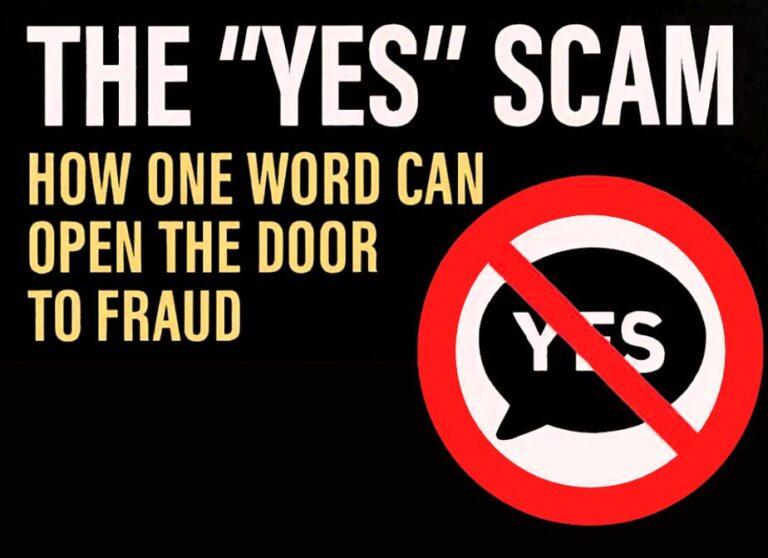
India’s digital banking ecosystem is facing a new challenge: voice-recording frauds, popularly known as the “Yes Scam.” In this scam, fraudsters record a person’s casual “yes” response during an unsolicited call and reuse it to impersonate consent for financial transactions. Unlike traditional phishing, this fraud does not rely on OTPs or suspicious links, making it harder to detect.
Also Read: Career Roadmap for Young Lawyers in Emerging Legal Fields
The rise of such scams has prompted authorities to strengthen cyber laws, banking regulations, and telecom safeguards. At the same time, experts are urging ordinary citizens to adopt simple precautions when dealing with unknown callers.
Cyber Laws and Regulations in India
1. Information Technology Act, 2000
- The IT Act, 2000 is India’s primary cyber law framework.
- It criminalizes identity theft, impersonation, and fraud using digital means.
- Sections 66C (identity theft) and 66D (cheating by impersonation using computer resources) are directly applicable to voice-recording scams.
2. RBI Regulations
- The Reserve Bank of India (RBI) issued guidelines in January 2025 to prevent financial frauds via voice calls and SMS.
- Banks must implement stronger verification systems, beyond simple voice authentication.
- Customers are protected under liability rules: if fraud occurs without their negligence, banks must compensate.
3. Government Initiatives
- The Digital Intelligence Platform (DIP) was launched to curb cyber fraud and spoofed calls.
- According to the government, spoofed international calls have reduced by 97% due to AI-driven monitoring.
- Over 82 lakh fraudulent mobile connections have been disconnected after reverification.
4. Telecom Safeguards
- The Department of Telecommunications (DoT) is working with banks and telecom operators to block suspicious numbers.
- AI-based systems now detect unusual calling patterns and disconnect fraudulent connections.
How the “Yes Scam” Works
- Fraudsters call from unknown numbers and ask routine questions like “Can you hear me?” or “Are you Mr. X?”.
- Victims instinctively reply “yes.”
- This recording is later used to simulate consent in banking or telecom systems that rely on voice authentication.
- Advanced fraudsters combine voice clips with stolen personal data to open accounts or secure loans.
Why Victims Don’t Realize Immediately
- Unlike OTP fraud, the effects of the “Yes Scam” appear slowly.
- Fraudulent accounts may be opened silently.
- Victims often discover liabilities days or weeks later.
- This delay makes the scam particularly dangerous for ordinary users.
What Ordinary Citizens Can Do
Precautions Against Voice and Spoofed Calls
- Don’t say “yes” or “ji” to unknown callers.
- Respond with neutral questions like “Who is calling?” or disconnect immediately.
- Never share personal details (PAN, Aadhaar, bank account numbers) over unsolicited calls.
- Avoid urgent monetary transfers requested over phone calls.
- Verify caller identity by calling back official customer care numbers.
Also Read: Delhi High Court Rules: No Pre-Arrest Bail at Summons Stage in GST Cases
Reporting Fraud
- Notify your bank immediately if you suspect fraud.
- File a complaint on the National Cyber Crime Reporting Portal (cybercrime.gov.in).
- Call the 1930 cyber helpline for urgent assistance.
- Early reporting can sometimes prevent larger losses.
Broader Implications
- The scam highlights the risks of relying solely on voice authentication in digital banking.
- It underscores the need for multi-factor authentication combining biometrics, OTPs, and device-based checks.
- It also shows how fraudsters adapt quickly to new technologies, requiring constant vigilance from regulators and citizens alike.
Conclusion
India’s cyber laws and regulatory safeguards are evolving to meet the challenges posed by scams like the “Yes Scam.” While authorities are deploying AI-driven platforms and stricter banking rules, citizens remain the first line of defence. By avoiding casual affirmations during unsolicited calls, verifying identities, and reporting suspicious activity promptly, ordinary people can protect themselves from this new wave of digital fraud.
Also Read: SEBI’s New Expense Ratio Rules Bring Relief for Investors and Mutual Funds
Suggested Keywords for Faster Searches
- Yes, Scam India voice fraud
- Cyber laws India voice recording scam
- Spoofed calls banking fraud India
- RBI regulations voice call fraud
- Digital Intelligence Platform cybercrime India
- IT Act 2000 cyber fraud sections
- How to avoid voice call scams India
- Cybercrime helpline 1930 India
- Voice authentication fraud banking
- Preventing unsolicited calls India
Also Read: Why Misuse of Portable Ultrasound Machines for Sex Determination Can Land You in Jail