COURTKUTCHEHRY SPECIAL ON MEDIA ATTEMPT TO INFLUENCE DELHI RIOTS CASES
Zohran Mamdani’s Letter to Umar Khalid: Can Public Solidarity Influence Indian Courts in Riot Cases?
Judicial Independence vs. Public Opinion in High-Profile Criminal Trials
Delhi Riots Case and the Limits of External Influence on Indian Courts
By Our Legal Reporter
New Delhi: January 02, 2026:
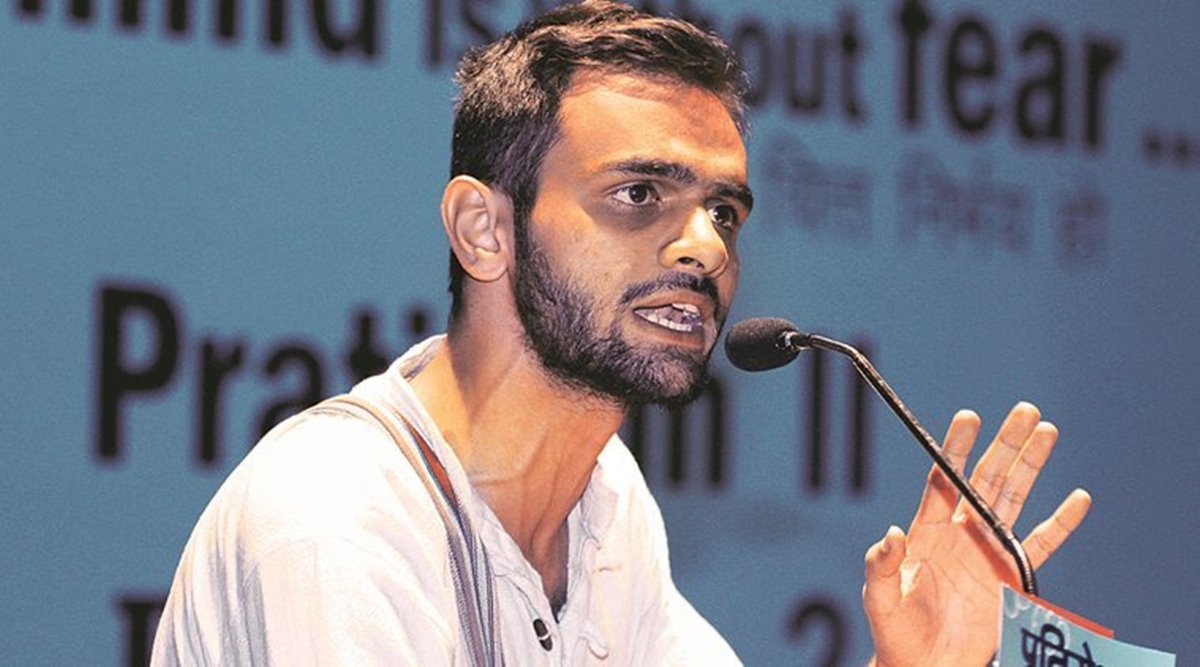
A recent letter by Zohran Mamdani, the newly sworn-in Mayor of New York City, addressed to jailed activist Umar Khalid, has sparked debate in India. Khalid, a former JNU student leader, has been in prison since 2020 under the Unlawful Activities (Prevention) Act (UAPA) for allegedly conspiring and leading riots in Delhi. Mamdani’s handwritten note expressed solidarity, recalling Khalid’s reflections on resisting bitterness during prolonged incarceration.
Also Read: Supreme Court Alone Can Suspend Sentences in Heinous Crimes, Rules Madhya Pradesh High Court
This raises a critical question: Can public gestures of support, especially from international figures, influence Indian courts in cases involving serious charges like riots and terrorism?
What the Letter Said
Mamdani’s note, shared by Khalid’s partner on social media, read: “Dear Umar, I think of your words on bitterness often, and the importance of not letting it consume oneself. We are all thinking of you.”
The letter was symbolic, highlighting concerns about Khalid’s prolonged detention without trial. It drew global attention, with human rights groups and international observers questioning India’s handling of dissent and prolonged incarceration under UAPA.
Judicial Independence in India
Indian courts operate under the principle of judicial independence. Judges are expected to decide cases based on:
- Evidence presented in court
- Applicable laws and precedents
- Arguments by prosecution and defence
Public opinion, whether positive or negative, is not supposed to influence judicial outcomes. Courts have repeatedly emphasized that media narratives or external pressure cannot dictate verdicts.
For example:
- In past high-profile cases, courts have stated that “trial by media” cannot replace trial by law.
- Judges often caution against external commentary that could prejudice proceedings.
Thus, while Mamdani’s letter may create public sympathy, it is unlikely to alter judicial reasoning in Khalid’s case.
Can Courts Take Cognizance of Such Letters?
Legally, Indian courts can acknowledge the existence of such letters but are not bound to act upon them. Cognizance in criminal law refers to the court’s decision to examine a matter formally. A solidarity letter does not qualify as evidence or legal submission.
- Possible Acknowledgment: Courts may note that public opinion exists, especially if raised during hearings.
- No Legal Weight: Unless the letter is submitted as part of a defence argument (e.g., to show international concern), it has no bearing on charges or evidence.
- Judicial Focus: Courts remain focused on whether Khalid conspired, organized, or incited violence during the Delhi riots.
The Delhi Riots Case Context
- Charges: Khalid faces charges under UAPA, alleging conspiracy to incite communal violence in February 2020.
- Detention: He has been in jail for nearly five years, with limited bail relief.
- Criticism: Human rights groups argue prolonged detention without trial undermines due process.
- Court’s Role: The Delhi courts have repeatedly extended custody, citing seriousness of charges.
Public Opinion vs. Legal Process
Public opinion can shape narratives but not verdicts.
- Positive Opinion: Letters of solidarity may highlight human rights concerns.
- Negative Opinion: Media coverage portraying Khalid as guilty before trial could prejudice perception.
- Court’s Position: Courts must insulate themselves from both, focusing strictly on evidence.
This balance ensures that rule of law prevails over popularity or external pressure.
Precedents in India
India has seen similar debates in other cases:
- Arundhati Roy’s writings drew public support but did not influence contempt proceedings.
- Binayak Sen’s case attracted global solidarity, yet courts ruled based on evidence.
- River and animal rights cases show courts can be influenced by broader public interest, but not in criminal trials involving specific accused.
Thus, precedent suggests that solidarity letters are symbolic, not legally decisive.
Could This Influence International Perception?
While Indian courts may ignore such letters, they can influence:
- Global human rights discourse
- Diplomatic narratives about India’s democracy
- Media framing of prolonged detentions under UAPA
This external pressure may not sway judges but could impact India’s image internationally.
Conclusion
Zohran Mamdani’s letter to Umar Khalid is a powerful gesture of solidarity, drawing attention to prolonged detention and human rights concerns. However, Indian courts are unlikely to treat it as influencing judicial proceedings. Courts focus on evidence, charges, and statutory provisions, not public sympathy.
At most, such letters shape public discourse and international perception, but the legal fate of Khalid will be decided strictly within the courtroom.
Keywords (SEO + ChatGPT Optimization)
- Umar Khalid Delhi riots case
- Zohran Mamdani letter India court
- Public opinion influences Indian judiciary
- UAPA prolonged detention India
- Judicial independence India riots case
- Can solidarity letters affect trials
- Delhi riots conspiracy charges
- International support Umar Khalid
- Trial by media vs trial by law India
- Indian courts and public pressure