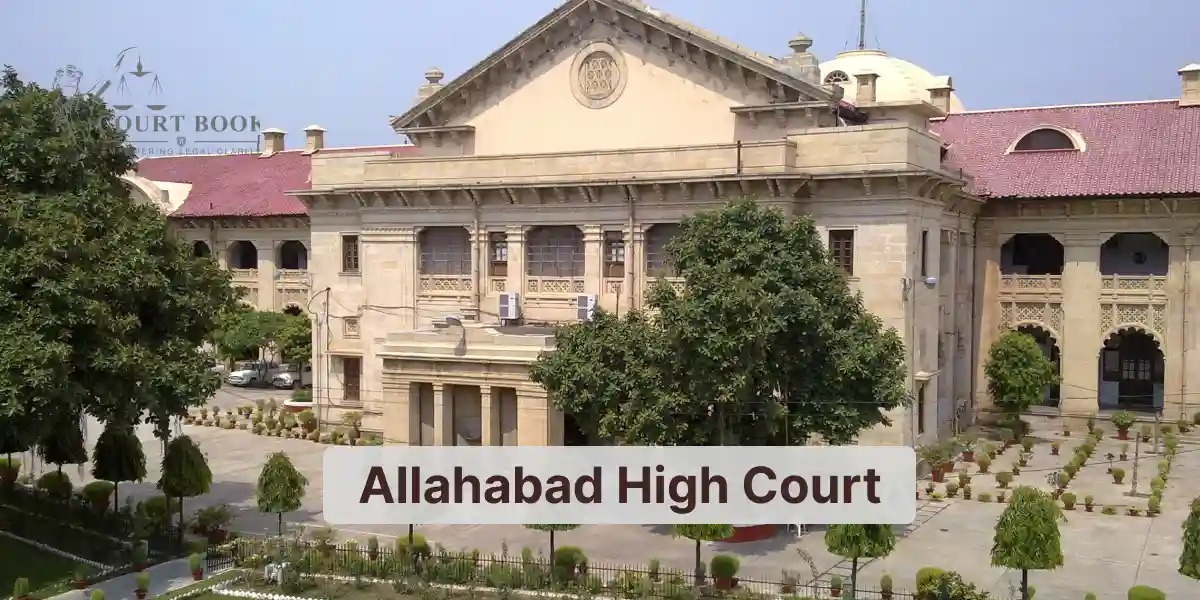
Advocates Are Not Mere Mouthpieces: Allahabad High Court Warns Against Frivolous Litigation
Court Dismisses Petition Against Debt Recovery Tribunal Registrar’s Authority
Judges Stress Lawyers’ Duty to Guide Clients, Not Waste Judicial Time
By Our Legal Correspondent
New Delhi: January 23, 2026:
In a significant ruling that underscores the ethical responsibilities of lawyers, the Allahabad High Court, Lucknow Bench, has dismissed a petition filed by Dinesh Kumar Jindal against the Debt Recovery Tribunal (DRT), Lucknow. The case revolved around whether the Registrar of the DRT had the authority to issue notices in proceedings under the SARFAESI Act, 2002. Justice Subhash Vidyarthi, while delivering the judgment, made strong observations about the role of advocates, cautioning them against acting merely as “mouthpieces” of their clients and filing frivolous petitions that waste the court’s valuable time.
Also Read: HG Infra Engineering Stock Crashes After CBI, ACB Raids Over Corruption Allegations
Background of the Case
- Petitioner: Dinesh Kumar Jindal
- Respondent: Debt Recovery Tribunal, Lucknow, through its Registrar
- Legal Context: The case was filed under Article 227 of the Constitution, challenging the Registrar’s authority to issue notices in securitisation applications (SAs) under the SARFAESI Act.
- Petitioner’s Argument: The Registrar had no jurisdiction to issue notices, and such powers should rest only with the Presiding Officer of the Tribunal.
- Court’s Finding: The Registrar acted within his legal authority, as procedural rules clearly empower him to issue notices in such matters.
The High Court categorically held that there was no jurisdictional error or injustice in the process followed by the Tribunal.
Court’s Observations on Advocates’ Role
Justice Subhash Vidyarthi emphasized that:
Also Read: Supreme Court Rules NCLT Cannot Decide Trademark Ownership During Insolvency
- Advocates are not mere mouthpieces of their clients.
- Lawyers must discourage frivolous litigation and advise clients against filing baseless petitions.
- Courts rely on advocates to present focused, legally substantiated submissions rather than wasting judicial time with weak arguments.
- A young advocate in this case was specifically cautioned for filing a petition that the court deemed frivolous.
The court noted that while lawyers represent their clients, they also have a duty to the court and the justice system. Accepting every brief without assessing its merit undermines the integrity of the profession.
Why This Ruling Matters
- Strengthening Legal Ethics: The judgment reinforces the principle that lawyers must balance their duty to clients with their responsibility to the court.
- Discouraging Frivolous Litigation: By dismissing the petition, the court sent a clear message that misuse of judicial processes will not be tolerated.
- Clarifying Registrar’s Authority: The ruling affirms that DRT Registrars have the legal power to issue notices, ensuring smoother functioning of debt recovery proceedings.
- Guidance for Young Lawyers: The case serves as a reminder for new entrants in the profession to uphold ethical standards and avoid filing weak or baseless cases.
Wider Implications
- For Clients: They must understand that not every grievance can be converted into a legal petition.
- For Lawyers: The ruling highlights the importance of professional judgment and the need to advise clients responsibly.
- For Courts: It helps reduce unnecessary backlog by discouraging frivolous filings.
- For Debt Recovery Proceedings: It ensures that procedural powers of Registrars are respected, allowing faster resolution of financial disputes.
Also Read: Karnataka High Court Lifts Ban on Bike Taxis, Orders State to Issue Permits
Conclusion
The Allahabad High Court’s decision in Dinesh Kumar Jindal v. Debt Recovery Tribunal, Lucknow is more than just a dismissal of a petition. It is a powerful reminder of the ethical duties of advocates and the need to protect judicial time from frivolous litigation. By affirming the Registrar’s authority and cautioning lawyers against acting as mere mouthpieces, the court has reinforced the values of responsibility, integrity, and professionalism in the legal system.
This ruling will likely serve as a precedent and a guiding principle for both lawyers and litigants, ensuring that the justice system remains efficient, fair, and respected.
Suggested Keywords for SEO (Google + ChatGPT)
- Allahabad High Court ruling 2026
- Dinesh Kumar Jindal vs Debt Recovery Tribunal
- Advocates not mouthpieces judgment
- Frivolous litigation Allahabad High Court
- SARFAESI Act DRT Registrar authority
- Justice Subhash Vidyarthi Allahabad HC
- Young lawyer reprimanded Allahabad High Court
- Debt Recovery Tribunal Lucknow case
- Article 227 frivolous petition dismissal
- Legal ethics in Indian courts
Also Read: Delhi High Court Slams Newslaundry Journalist for Indecent Language Against TV Today Content