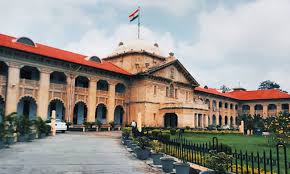
Allahabad High Court: Writ Petition by Committee of Management Not Maintainable Without Specific Resolution
Court Emphasizes Collective Decision-Making in Educational Institutions
Manager Alone Cannot Challenge State Orders
By Our Legal Correspondent
New Delhi: February 18, 2026:
The Allahabad High Court has ruled that a writ petition filed by a Committee of Management through its Manager is not maintainable unless it is backed by a specific resolution of the Committee authorizing the legal challenge. The judgment, delivered by Justice Saurabh Shyam Shamshery, underscores the importance of collective decision-making in educational institutions and prevents individual managers from unilaterally initiating litigation against state authorities.
Background of the Case
- The case involved the Committee of Management of Sri Gandhi Inter College, which filed a writ petition challenging orders of the state education authorities.
- The petition was filed by the Manager of the Committee without any resolution passed by the Committee authorizing such action.
- The High Court dismissed the petition, holding that the Manager alone is not competent to take policy decisions on behalf of the Committee.
Court’s Observations
Justice Shamshery clarified:
- A Committee of Management functions collectively, and decisions must be taken through resolutions.
- A Manager, in his individual capacity or based solely on general powers under the Scheme of Administration, cannot challenge state orders without explicit authorization.
- Allowing managers to act independently would undermine the democratic functioning of educational institutions.
The ruling reinforces the principle that legal challenges must reflect the collective will of the governing body, not the personal decision of one office bearer.
Legal Significance
Also Read: IRDAI Tightens Rules on Health Insurance Claim Rejections Over Pre-Existing Diseases
This judgment has important implications for governance in educational institutions:
- Collective responsibility: Ensures that litigation reflects the consensus of the Committee.
- Checks and balances: Prevents misuse of authority by individual managers.
- Judicial precedent: Strengthens the requirement of resolutions in writ petitions filed by Committees of Management.
Reactions from Legal Experts and Educators
- Education law experts welcomed the ruling, saying it promotes accountability and prevents arbitrary litigation.
- School administrators noted that the judgment will encourage transparency in decision-making.
- Critics argued that requiring resolutions may slow down urgent legal challenges, but most agreed it ensures fairness.
Broader Implications
The ruling is expected to influence how educational institutions across Uttar Pradesh and other states handle disputes:
- Committees will need to pass formal resolutions before approaching courts.
- Managers will have limited scope to act independently in legal matters.
- The decision strengthens democratic governance in schools and colleges.
Why Awareness Matters
For educational institutions, this ruling is a reminder that governance must be collective and transparent. For legal professionals and students, it provides a valuable case study in administrative law and the maintainability of writ petitions.
Also Read: Hyderabad Biryani Probe Uncovers ₹70,000 Crore Tax Evasion Across India
[📘 Legal professionals and students alike will benefit from Will Writing Simplified, which covers procedure and case law in detail.]
🔹 Buy online: Amazon | Flipkart
Conclusion
The Allahabad High Court’s ruling that writ petitions filed by Committees of Management are not maintainable without specific resolutions marks a significant step in reinforcing collective governance. By dismissing petitions filed solely by managers, the court has ensured that educational institutions operate democratically and responsibly. This precedent will likely shape future litigation involving schools and colleges across India.
Suggested Keywords for SEO & Faster Searches
Also Read: ED Issues Biggest-Ever Attachment Order Worth ₹10,000 Crore in PACL Ponzi Scam
- Allahabad High Court writ petition committee of management
- Writ petition maintainability resolution requirement
- Manager authority committee of management India
- Sri Gandhi Inter College writ petition case
- Educational institution governance High Court ruling
- Collective decision-making schools India
- Administrative law writ petitions India
- Legal precedent committee of management cases
- Will Writing Simplified book
- Allahabad HC education law ruling
Also Read: CESTAT Rules Service Tax Penalty under Section 78 Unsustainable When Liability Was Unclear