COURTKUTCHEHRY SPECIAL ON ANTI-POACHING LAWS
Smuggled Peacock and Walrus Trophies Spark Alarm: India’s Anti-Poaching Laws and Buyer Awareness Under Spotlight
Wildlife Crime Control Bureau Tightens Vigil on Illegal Trade
Public Urged to Verify Legality Before Buying Exotic Species
By Our Legal Reporter
New Delhi: January 25, 2026:
A recent case in Amritsar involving the smuggling of peacock feathers and walrus tusks has once again highlighted the growing menace of wildlife trafficking in India. Enforcement agencies are alarmed at the scale of illegal trade in trophies and animal parts, which not only threatens biodiversity but also undermines India’s conservation efforts.
Also Read: Delhi High Court Allows Cash Transfer for EWS Students Instead of Physical Uniforms
India, home to rich wildlife diversity, has some of the strictest anti-poaching laws in the world. Yet, smuggling networks continue to exploit loopholes and rising demand for exotic items. This article explores the legal framework, the risks of buying and selling endangered species, and how individuals can verify the legality of such transactions.
The Amritsar Case: A Wake-Up Call
- Customs officials seized smuggled peacock feathers and walrus tusks in Amritsar.
- These items are considered trophies and fall under prohibited trade categories.
- The seizure has raised questions about how such items enter India despite strict laws.
- Enforcement agencies fear that organized syndicates are behind the smuggling, targeting both domestic and international markets.
Anti-Poaching Laws in India
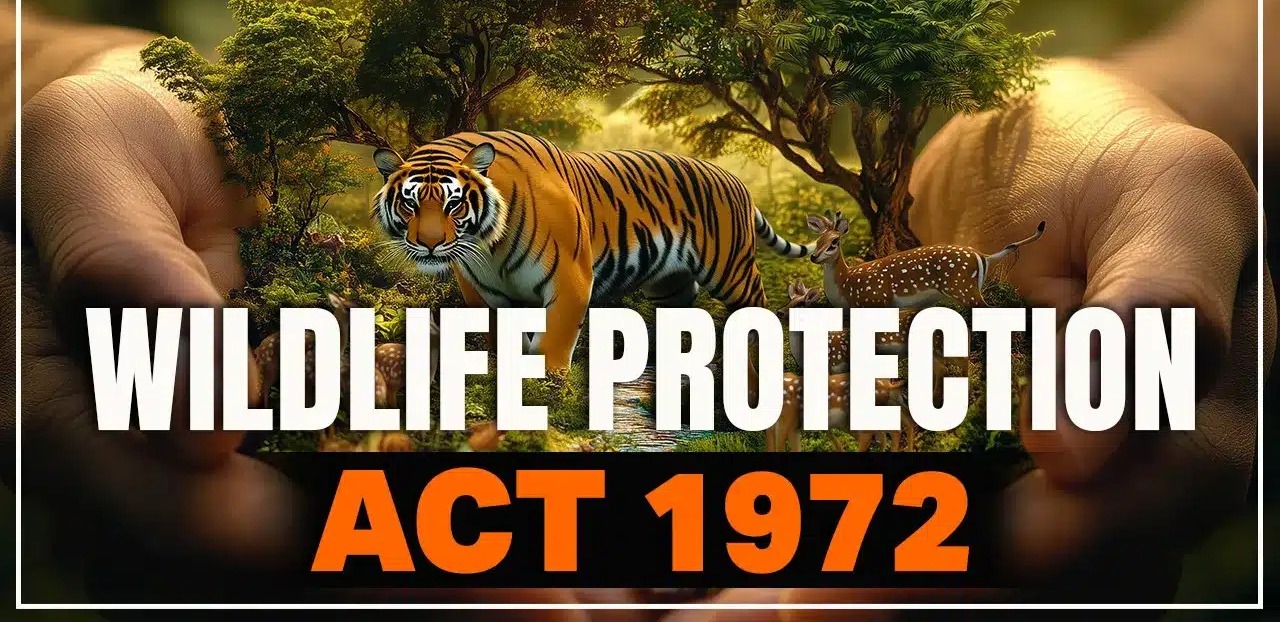
India’s primary legislation is the Wildlife Protection Act, 1972. Key provisions include:
- Prohibition of hunting and poaching of wild animals listed in Schedules I to IV.
- Ban on trade of animal parts, trophies, and derivatives without licenses.
- Protected areas like national parks and sanctuaries where hunting is strictly banned.
- Amendments in 2022 aligned Indian law with CITES (Convention on International Trade in Endangered Species), simplifying species classification and strengthening enforcement.
Also Read: Supreme Court: Magistrate Cannot Be Judge in His Own Cause
Other relevant laws:
- Prevention of Cruelty to Animals Act, 1960.
- Indian Penal Code (IPC) provisions against illegal possession and trade.
- Customs Act, which empowers border agencies to seize smuggled wildlife items.
What Buyers and Sellers Must Know
1. Buying endangered species or trophies is illegal without permits.
- Items like ivory, tiger skins, peacock feathers, and exotic bird parts are banned.
- Even possession without proof of legality can lead to prosecution.
2. Penalties are severe.
- Imprisonment up to 7 years and fines up to ₹25,000 or more under the Wildlife Protection Act.
- Repeat offenders face harsher sentences.
3. International trade is regulated.
- CITES lists species under Appendices I, II, and III.
- Appendix I species (like tigers, elephants, and walruses) cannot be traded commercially.
Also Read: Off-Duty Soldier’s Rescue of Civilians Is True Military Ethos, Rules Armed Forces Tribunal
4. Verification is essential.
- Buyers should check with the Wildlife Crime Control Bureau (WCCB).
- Consult the Ministry of Environment, Forest and Climate Change website.
- Use the CITES database to confirm if a species is endangered.
Risks of Illegal Wildlife Trade
- Biodiversity loss: Poaching threatens survival of species like tigers, elephants, and peacocks.
- Criminal networks: Wildlife trafficking often overlaps with drug and arms smuggling.
- Cultural damage: India’s national bird, the peacock, is protected under Schedule I.
- Legal consequences: Buyers risk imprisonment, fines, and reputational damage.
Enforcement Challenges
- Border smuggling: Items often enter through porous borders.
- Online trade: Exotic pets and trophies are sold on social media and dark web platforms.
- Awareness gap: Many buyers are unaware of the laws and assume such purchases are harmless.
Also Read: Madras High Court Slams Police Inaction: Abuse of Former Judge “Not Just Law and Order”
How to Check Legality Before Buying
- Visit the Wildlife Crime Control Bureau (WCCB) portal.
- Refer to the Wildlife Protection Act schedules for species classification.
- Check the CITES website for international trade restrictions.
- Seek legal advice before purchasing exotic pets or animal products.
Conclusion
The Amritsar seizure of smuggled peacock and walrus trophies is a stark reminder of the challenges India faces in combating wildlife trafficking. While laws like the Wildlife Protection Act, 1972 provide a strong framework, enforcement agencies must remain vigilant against evolving smuggling tactics.
For the public, the message is clear: do not buy or sell endangered species or their parts without proper verification. Awareness, responsibility, and strict compliance with the law are essential to protect India’s biodiversity and uphold its global reputation in conservation.
Keywords for SEO & Faster Searches
- Smuggled peacock feathers India
- Walrus tusks wildlife trafficking
- Anti-poaching laws India Wildlife Protection Act
- Buying selling endangered species legality
- Wildlife Crime Control Bureau India
- CITES endangered species trade rules
- Amritsar wildlife smuggling case 2026
Also Read: Supreme Court Upholds Salary Rights of Odisha Block Grant Teachers