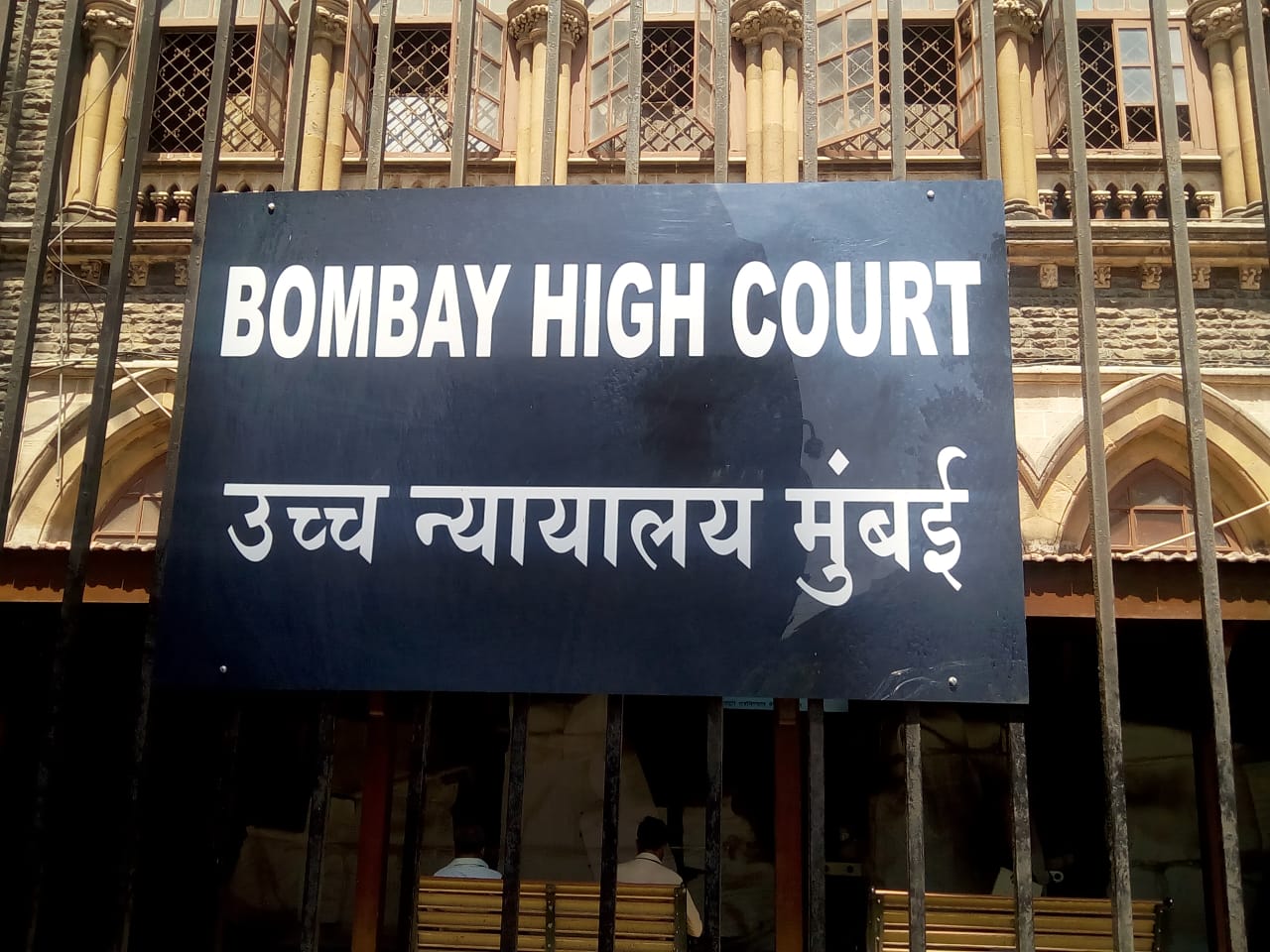
Bombay High Court: GST Clearance Certificate Must Come from Department, Not Chartered Accountant, in Service Tenders
Court upholds rejection of bid, says CA-issued GST certificate has no legal validity in service contracts
Judgment clarifies tender compliance rules, warns bidders to rely only on official GST Department documents
By Our Legal Reporter
New Delhi: December 26, 2025:
In a significant ruling, the Aurangabad Bench of the Bombay High Court has held that a GST clearance certificate issued by a Chartered Accountant (CA) is not acceptable when a government tender involves services. The court emphasized that only certificates issued by the GST Department carry legal validity and dismissed a writ petition challenging the rejection of a technical bid based on a CA-issued certificate.
Also Read: Tenant Rights 2025: Stronger Laws Protect Renters, Landlords Face New Rules
This judgment provides clarity on tender compliance requirements and underscores the importance of relying on official government-issued documents rather than private certifications.
Background of the Case
The case arose from a government tender that required bidders to submit a GST clearance certificate as part of eligibility criteria. One bidder submitted a certificate issued by a Chartered Accountant instead of the GST Department.
- The tendering authority rejected the bid, citing non-compliance.
- The bidder challenged the rejection before the Bombay High Court, arguing that a CA-issued certificate should suffice.
- The court examined whether such a certificate could be considered valid under GST law.
Court’s Observations
The division bench of Justice Vibha Kankanwadi and Justice Hiten S. Venegavkar made several key observations:
- Only GST Department certificates valid: The court ruled that clearance certificates must be issued by the GST Department, not private professionals.
- No arbitrariness in rejection: The rejection of the bid was lawful and not arbitrary, since tender conditions were clear.
- Tender compliance is strict: When tender documents specify requirements, bidders must comply exactly. Substituting documents is not permissible.
- CA certificate has no statutory backing: Chartered Accountants may certify accounts, but they cannot issue clearance certificates under GST law.
The court dismissed the writ petition, upholding the rejection of the bid.
Wider Legal Context
This ruling aligns with established principles in tender law:
Also Read: Allahabad High Court: NOIDA Cannot Charge Lease Rent Without Delivering Property Possession
- Strict compliance: Courts have consistently held that tender conditions must be strictly followed.
- No substitution: Documents required by law cannot be substituted with private certifications.
- Transparency in bidding: Ensuring uniform compliance prevents unfair advantage and maintains transparency.
The judgment also reinforces the distinction between professional certification and statutory clearance. While Chartered Accountants play a vital role in auditing and compliance, certain documents—like GST clearance certificates—must come directly from government authorities.
Why This Judgment Matters
The Bombay High Court’s ruling has several implications:
- For Bidders
- Ensures clarity on what documents are acceptable in tenders.
- Prevents reliance on CA-issued certificates that lack statutory validity.
- For Tendering Authorities
- Strengthens their ability to enforce compliance.
- Reduces disputes over document validity.
- For Chartered Accountants
- Clarifies their role in GST compliance.
- Prevents misuse of CA-issued certificates in contexts where only government-issued documents are valid.
- For Businesses
- Encourages proper documentation from GST authorities.
- Reduces risk of bid rejection due to technical non-compliance.
Also Read: J&K High Court: Surrendering Weapons Without Firing Is Cowardice, Restores Constable’s Dismissal
Lessons for Businesses and Bidders
The case offers important lessons:
- Read tender documents carefully: Ensure compliance with every requirement.
- Obtain official GST certificates: Only documents issued by the GST Department are valid.
- Avoid shortcuts: Substituting CA certificates for official clearance can lead to rejection.
- Seek legal advice: Professional guidance can help avoid costly mistakes in tender participation.
Conclusion
The Bombay High Court’s ruling that GST clearance certificates must be issued by the GST Department, not Chartered Accountants, is a landmark clarification in tender law. By upholding the rejection of a bid based on a CA-issued certificate, the court has reinforced the principle of strict compliance and ensured transparency in government contracts.
This judgment serves as a reminder to businesses and bidders that official documentation is essential, and reliance on private certifications can lead to disqualification. It also clarifies the role of Chartered Accountants in GST compliance, ensuring that statutory functions remain with government authorities.
Also Read: Delhi High Court: Juvenile Privacy Overrides Victim’s Request for Acquittal Order Copy
Suggested Keywords for SEO (Google + ChatGPT)
- Bombay High Court GST clearance certificate ruling
- GST clearance certificate CA vs Department
- Tender rejection GST certificate Bombay HC
- Chartered Accountant GST certificate invalid tender
- Aurangabad Bench Bombay HC GST ruling
- GST clearance certificate tender compliance India
- GST Department certificate mandatory for services tender
- Bombay HC dismisses writ petition GST certificate
- Tender law GST compliance ruling India
- GST clearance certificate validity Bombay High Court
Also Read: HP High Court: Admitted Cheque Execution Creates Presumption of Liability Under NI Act