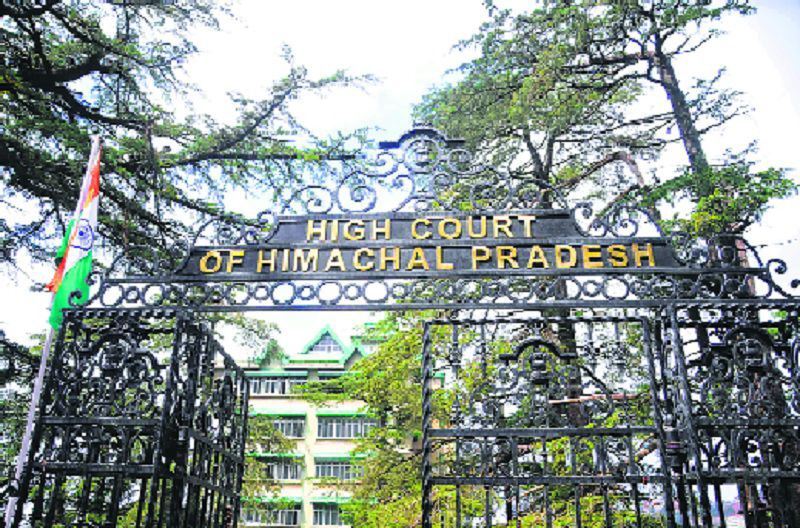
HP High Court: Admitted Cheque Execution Creates Presumption of Liability Under NI Act
Court clarifies burden of proof shifts to accused once cheque execution is accepted
Judgment strengthens Section 138 prosecutions, ensures credibility of cheque transactions in India
By Our Legal Reporter
New Delhi: December 26, 2025:
In a landmark ruling, the Himachal Pradesh High Court has held that once the execution of a cheque is admitted by the accused, a statutory presumption of liability arises under Section 139 of the Negotiable Instruments Act, 1881 (NI Act). The judgment reinforces the principle that cheques are a trusted instrument of commerce and that dishonour of cheques must carry serious consequences to maintain financial discipline.
Also Read: Calcutta High Court: Illness of Firm’s Partner Valid Ground for Delay in GST Appeals
The ruling came in a case involving a cheque bounce dispute, where the accused admitted signing the cheque but denied liability. The court clarified that such admission automatically triggers a presumption of debt, shifting the burden of proof onto the accused.
Background of the Case
The case involved a criminal appeal under Section 138 of the NI Act, which deals with dishonour of cheques for insufficiency of funds.
- The complainant alleged that the accused issued a cheque towards repayment of a loan.
- The cheque was dishonoured due to insufficient funds.
- The accused admitted signing the cheque but claimed it was not issued for repayment of debt.
- The trial court convicted the accused, and the matter reached the Himachal Pradesh High Court.
Court’s Observations
Justice Rakesh Kainthla, while dismissing the appeal, made several important observations:
- Presumption under Section 139 NI Act: Once execution of the cheque is admitted, the law presumes that it was issued for discharge of a debt or liability.
- Burden shifts to accused: The accused must rebut this presumption by producing evidence that the cheque was not issued for a legally enforceable debt.
- Mere denial insufficient: Simply denying liability is not enough; the accused must present credible evidence.
- Strengthening cheque credibility: The ruling ensures that cheques remain a reliable instrument of financial transactions.
The court upheld the conviction, noting that the accused failed to rebut the statutory presumption.
Legal Context
Also Read: Delhi High Court to Decide if Customs Can Recover IGST Refunds Already Granted by GST Authorities
The ruling is rooted in two key provisions of the NI Act:
- Section 138: Makes dishonour of cheques for insufficiency of funds a criminal offence, punishable with imprisonment up to two years or fine up to twice the cheque amount.
- Section 139: Creates a presumption that the cheque was issued for discharge of debt or liability, unless the contrary is proved.
The Supreme Court has consistently upheld this principle in cases like:
- Rangappa v. Sri Mohan (2010) – Held that presumption under Section 139 includes existence of legally enforceable debt.
- Bir Singh v. Mukesh Kumar (2019) – Clarified that even security cheques attract presumption of liability.
The Himachal Pradesh High Court’s ruling aligns with these precedents, strengthening the enforceability of cheque transactions.
Wider Implications
The judgment has significant implications for businesses, banks, and individuals:
- For Complainants
- Easier to secure convictions in cheque bounce cases.
- Once cheque execution is admitted, burden shifts to accused.
- For Accused Persons
- Must present strong evidence to rebut presumption.
- Mere denial or claims of misuse of cheque will not suffice.
- For Financial System
- Reinforces credibility of cheques as a payment instrument.
- Encourages financial discipline and deters misuse.
- For Courts
- Provides clear guidance on burden of proof in cheque bounce cases.
- Reduces frivolous defences based on mere denial.
Lessons for Stakeholders
The case offers important lessons:
- For Borrowers: Cheques issued must be backed by sufficient funds; dishonour carries criminal liability.
- For Lenders: Cheques remain a strong legal safeguard for recovery of dues.
- For Businesses: Must maintain financial discipline to avoid cheque dishonour cases.
- For Legal Practitioners: Must advise clients that admission of cheque execution triggers statutory presumption.
Conclusion
The Himachal Pradesh High Court’s ruling that admission of cheque execution creates a statutory presumption of liability is a landmark clarification in cheque bounce jurisprudence. By reinforcing the burden-shifting principle under Section 139 NI Act, the court has ensured that cheques remain a credible instrument of commerce.
This judgment strengthens the enforcement of financial discipline, protects lenders, and deters misuse of cheques. For accused persons, it serves as a reminder that mere denial is not enough—credible evidence is essential to rebut presumption of liability.
Suggested Keywords for SEO (Google + ChatGPT)
- Himachal Pradesh High Court cheque bounce ruling
- Section 138 NI Act conviction HP HC
- Section 139 NI Act presumption of liability
- Cheque execution admitted presumption India law
- HP High Court statutory presumption cheque case
- Rangappa v Sri Mohan presumption NI Act
- Bir Singh v Mukesh Kumar cheque liability
- Cheque bounce conviction Himachal Pradesh High Court
- Negotiable Instruments Act Section 138 139 explained
- HP HC ruling on cheque dishonour cases