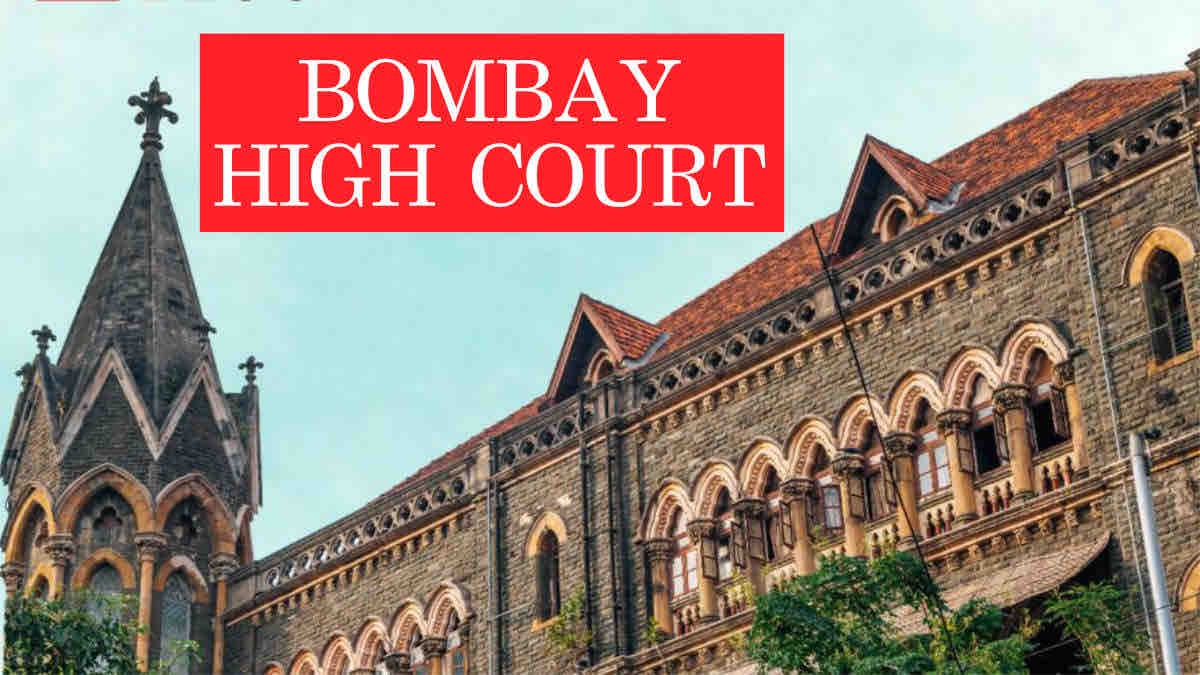
Bombay High Court Rules Loudspeakers Not Essential to Practising Religion, Upholds Right to Peace
Court Cites Supreme Court Precedent: No Faith Mandates Disturbing Others Through Amplified Sound
Noise Pollution Laws and Citizens’ Right to Silence Strengthened in Landmark Ruling
By Our Legal Correspondent
New Delhi: December 05, 2025:
In a landmark judgment, the Nagpur bench of the Bombay High Court has declared that the use of loudspeakers is not an essential part of practising any religion. The ruling came while dismissing a plea filed by Masjid Gousiya in Gondia district, Maharashtra, which sought permission to restore loudspeakers for prayers.
Also Read: Madras High Court Protects Cognizant: IPLC Payments Shielded from TDS Under India–US DTAA
The Court’s decision, delivered on December 5, 2025, reinforces the principle that religious freedom cannot override public peace and health, and that amplified sound cannot be forced upon unwilling listeners.
Background of the Case
The petition was filed by Masjid Gousiya after local authorities restricted the use of loudspeakers at the mosque. The petitioner argued that loudspeakers were integral to religious practice and sought judicial intervention.
During hearings, the Court asked the petitioner to produce evidence—legal or religious documents—showing that loudspeakers were mandatory in religious practice. The petitioner failed to provide such proof.
Consequently, the Court dismissed the plea, stating that no religion prescribes prayers to be performed by disturbing the peace of others through voice amplifiers or drum beating.
Key Observations by the High Court
- Supreme Court Precedent: The Court quoted earlier Supreme Court rulings that emphasized no religion mandates the use of loudspeakers for prayers.
- Right to Silence: The Court highlighted that while there is a right to speech, there is also a right to listen or decline to listen. Nobody can be compelled to hear amplified sound against their will.
- Noise Pollution Rules: The Court referred to the Noise Pollution (Regulation and Control) Rules, 2000, framed under the Environment (Protection) Act, 1986, which restrict the use of loudspeakers, especially during night hours.
- Health Concerns: The judgment noted that excessive noise can cause health risks, particularly to children, the elderly, and the sick.
Also Read: ICAI Clears Chartered Accountants in ₹849 Crore Remittance Case: No Lapse in Form 15CB Certification
Broader Legal Context
India’s Constitution guarantees freedom of religion under Article 25, but this right is subject to public order, morality, and health. Courts have consistently held that religious practices cannot infringe upon the fundamental rights of others.
The Supreme Court has previously ruled that use of loudspeakers is not a fundamental right and must comply with noise pollution laws. The Bombay High Court’s ruling aligns with this jurisprudence, reinforcing the balance between religious freedom and public welfare.
Also Read: Supreme Court Bars High Courts from Granting Pre-Arrest Bail While Refusing to Quash FIRs
Implications of the Ruling
- For Religious Institutions: Temples, mosques, churches, and other places of worship must comply with noise pollution laws. Loudspeakers cannot be claimed as a religious right.
- For Citizens: The ruling strengthens the right to peace and quiet, ensuring that individuals are not forced to listen to amplified religious sounds.
- For Authorities: Local administrations gain judicial backing to regulate loudspeaker use, especially in residential areas.
- For Public Health: The judgment highlights the importance of protecting citizens from the harmful effects of noise pollution.
Expert Reactions
Legal experts and activists have welcomed the ruling:
- Lawyers: “This judgment reinforces constitutional balance—religious freedom cannot override public health.”
- Environmentalists: “Noise pollution is a serious issue, and this ruling strengthens enforcement of existing laws.”
- Citizens’ Groups: “The right to silence is as important as the right to speech. This ruling protects ordinary people.”
Social and Cultural Impact
Also Read: Bombay High Court Rules Loudspeakers Not Essential to Practising Religion, Upholds Right to Peace
The ruling is expected to spark debate across communities. While some religious groups may feel restricted, many citizens see it as a step toward peaceful coexistence.
The judgment also sets a precedent for similar disputes across India, where loudspeaker use in religious and political contexts often leads to conflict.
Conclusion
The Bombay High Court’s ruling that loudspeakers are not integral to practising religion is a landmark decision that balances religious freedom with public peace and health. By citing Supreme Court precedents and noise pollution laws, the Court has reinforced the principle that no one can be compelled to listen against their will.
This judgment will likely shape future policies on loudspeaker use, ensuring that India’s diverse religious practices coexist without infringing on the rights of others.
🔑 Suggested Keywords for SEO & Faster Searches
- Bombay High Court loudspeaker ruling
- Loudspeakers not integral to religion India
- Supreme Court noise pollution judgment
- Right to silence vs right to speech India
- Masjid Gousiya Gondia loudspeaker case
- Noise Pollution Rules 2000 India
- Article 25 freedom of religion India
- Loudspeaker ban religious practices India
- Bombay HC ruling on loudspeakers
- Public health and noise pollution India
Also Read: Paradiso Homebuyer Wins ₹1.7 Crore Refund: RERA Orders Developer to Pay for Unsafe Flat in Gurgaon