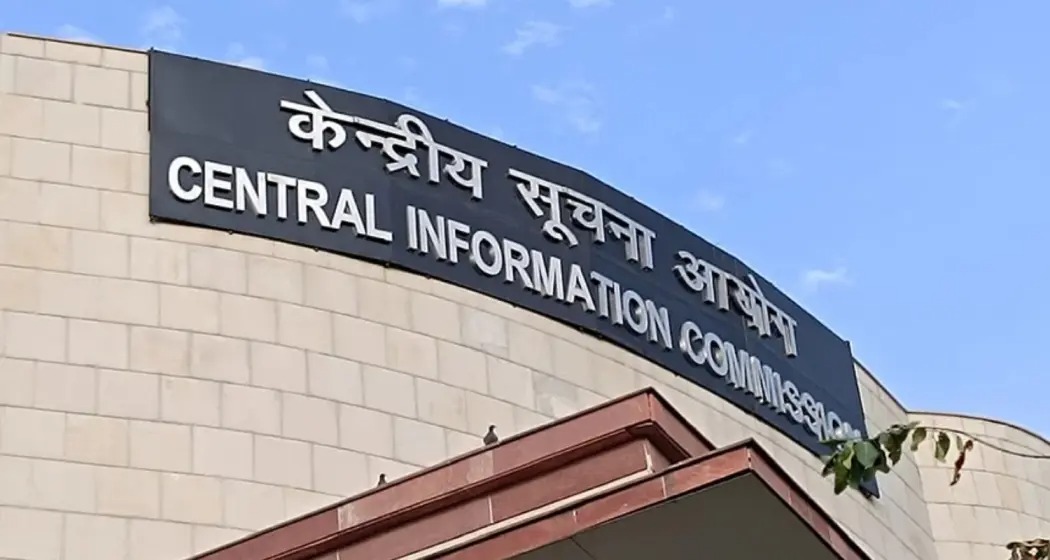
CIC Upholds MHA’s RTI Denial on Enemy Property Probe, Citing Ongoing Investigation
Disclosure Could Hamper Investigation, Says Commission
RTI Act Section 8(1)(h) Provides Exemption for Sensitive Cases
By Legal Reporter
New Delhi: February 21, 2026:
The Central Information Commission (CIC) has upheld the Ministry of Home Affairs’ (MHA) decision to deny information sought under the Right to Information (RTI) Act regarding properties classified as “enemy property.” The Commission agreed with the MHA’s stance that disclosure of such information could impede ongoing investigations. This ruling highlights the balance between transparency under the RTI Act and the need to protect sensitive national interests.
Also Read: Delhi High Court Rules Public Urinal and Open Garbage Bin Outside Home Violate Right to Dignity
What is Enemy Property?
- Enemy property refers to assets left behind by individuals who migrated to Pakistan or China after wars and conflicts between 1947 and 1962.
- These properties are vested in the Custodian of Enemy Property for India (CEPI) under the Enemy Property Act, 1968.
- The government has identified thousands of such properties across India, including land, houses, and commercial establishments.
- The management and disposal of these properties remain a sensitive issue due to ownership disputes and national security concerns.
[Recommended Research Resources]
📘 If you want practical guidance on drafting wills, codicils, and probate procedures, Will Writing Simplified is an invaluable resource.
🔹 Buy online: Amazon | Flipkart
CIC’s Observations
Also Read: Supreme Court Declares Confusing Arbitration Clauses as Professional Misconduct by Law Firms
- Chief Information Commissioner Raj Kumar Goyal upheld the denial, citing Section 8(1)(h) of the RTI Act, 2005, which exempts disclosure of information if it would “impede the process of investigation.”
- The CIC agreed with the Custodian of Enemy Property that releasing details could compromise ongoing inquiries into ownership and misuse.
- The Commission emphasized that while transparency is a cornerstone of the RTI Act, exemptions are necessary to protect investigations and national interests.
Rules Under the RTI Act
The RTI Act provides citizens the right to access information held by public authorities, but it also includes exemptions:
- Section 8(1)(h): Information that would impede investigation or prosecution cannot be disclosed.
- Section 8(1)(a): Information affecting sovereignty, security, or international relations is exempt.
- Section 8(1)(j): Personal information that has no public interest cannot be disclosed.
In this case, Section 8(1)(h) was invoked, as disclosure could interfere with ongoing investigations into enemy property.
Why the Action Was Taken
- Ongoing Investigations: Many enemy properties are under legal and administrative scrutiny.
- Ownership Disputes: Several claims have been made by individuals asserting rights over such properties.
- National Security: Disclosure could potentially expose sensitive details about assets linked to hostile nations.
- Legal Safeguards: The CIC ruling ensures that investigations are not compromised by premature disclosure.
Also Read: NCDRC Orders Vatika Limited to Refund ₹1.21 Crore with 12% Interest Over Gurgaon Plot Delay
Broader Implications
- The ruling reinforces the principle that RTI cannot override national security and investigative needs.
- It highlights the challenges of balancing transparency with confidentiality in sensitive matters.
- Legal experts note that the CIC’s decision sets a precedent for future RTI cases involving national security and property disputes.
- Citizens seeking information on enemy property will need to wait until investigations are complete.
Conclusion
The CIC’s decision to uphold the MHA’s denial of RTI information on enemy property underscores the importance of protecting ongoing investigations. While the RTI Act empowers citizens to demand transparency, exemptions under Section 8(1)(h) ensure that sensitive cases are handled with caution. This ruling strengthens the legal framework governing enemy property and highlights the delicate balance between public access to information and national security.
Keywords (SEO + ChatGPT Friendly)
Also Read: Madras High Court Orders FIR in Multi-Crore Tamil Nadu Municipal Corruption Case
- CIC upholds RTI denial enemy property
- Ministry of Home Affairs RTI exemption
- Section 8(1)(h) RTI Act investigation
- Custodian of Enemy Property India
- Enemy Property Act 1968 RTI case
- CIC ruling transparency vs investigation
- RTI denial national security India
- Raj Kumar Goyal CIC order
- Enemy property probe India
- RTI exemptions under Indian law
Also Read: CCPA Cracks Down on E-Commerce Firms Over Illegal Sale of Anti-Drone and Signal Jammers