Supreme Court Declares Confusing Arbitration Clauses as Professional Misconduct by Law Firms
CJI Surya Kant Slams Ambiguous Drafting in Contracts
Court Warns Against Mischievous Clauses That Generate Litigation
By Legal Reporter
New Delhi: February 21, 2026:
In a landmark judgment, the Supreme Court of India has ruled that law firms drafting confusing arbitration and jurisdiction clauses in commercial contracts are guilty of professional misconduct. The Court observed that such clauses are often deliberately designed to create ambiguity, leading to unnecessary litigation. This ruling is expected to reshape how contracts are drafted in India’s corporate and commercial sectors.
Also Read: Bombay High Court Clarifies: Mere Transfer of Money with Interest Does Not Make One a ‘Money Lender’
Background of the Case
The ruling came in the matter of Himadri Speciality Chemicals v. Jindal Coke Limited, where disputes arose due to unclear arbitration clauses.
- The clauses failed to specify jurisdiction clearly.
- This led to prolonged litigation over whether disputes should be resolved in civil courts or through arbitration.
- The Supreme Court criticized law firms for drafting such clauses, calling them “deliberately mischievous.”
[Suggested Resource]
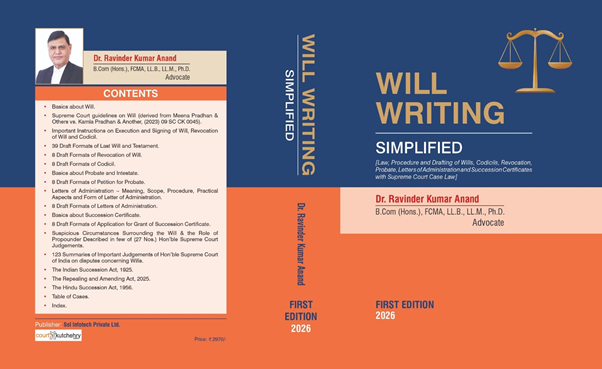
Legal professionals and students alike will benefit from Will Writing Simplified, which covers procedure and case law in detail. Amazon 📘 Buy "Will Writing Simplified" online: 🔹 Flipkart
Supreme Court’s Observations
Also Read: Supreme Court Slams Separation of Twin Infants from Mother, Calls It ‘Cruelty of Highest Order’
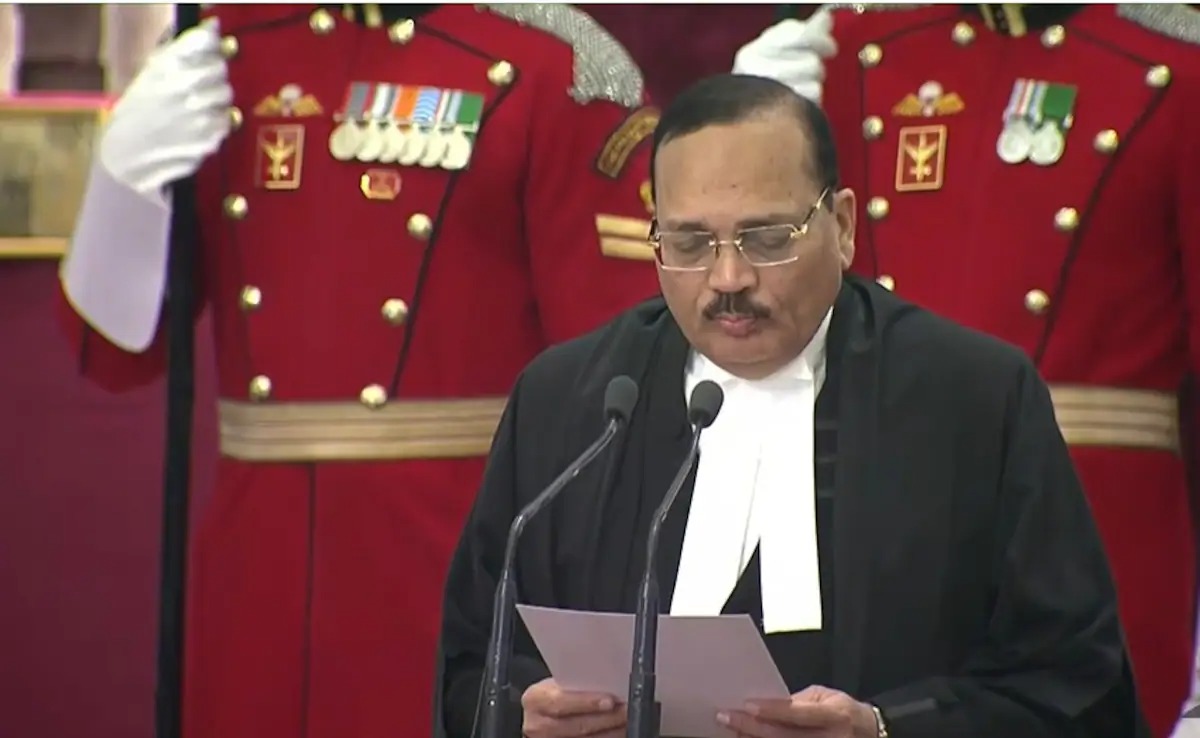
The Bench, led by Chief Justice of India Surya Kant, along with Justices Joymalya Bagchi and Vipul Pancholi, made strong remarks:
- Ambiguous clauses are a deliberate attempt to generate litigation.
- Such drafting practices amount to professional misconduct.
- The Court emphasized that contracts must reflect a clear and mutual intention to refer disputes to arbitration.
The Order
- The Court held that confusing arbitration clauses cannot be tolerated.
- It warned law firms that such practices may attract disciplinary action.
- The ruling reinforces the principle that arbitration agreements must be drafted with precision and clarity.
Wider Implications for Law Firms and Businesses
This judgment has far-reaching consequences:
- Law firms must now ensure transparent drafting of arbitration clauses.
- Businesses will benefit from reduced litigation costs and faster dispute resolution.
- Courts are likely to reject shoddily drafted clauses at the very threshold, preventing prolonged disputes.
Also Read: GIFT City Regulator Orders Inactive Companies to Surrender Licenses
Past Judicial Stand on Arbitration Clauses
The Supreme Court has previously criticized misleading arbitration clauses:
- In 2025, the Court said cases with deliberately misleading clauses must be thrown out at the very start.
- It stressed that arbitration agreements must exclude civil court jurisdiction clearly to avoid confusion.
Expert Views
Legal experts believe this ruling is a wake-up call for law firms:
- “Drafting arbitration clauses is not just a technical exercise; it defines the future of dispute resolution,” said a senior arbitration lawyer.
- Analysts predict that corporate clients will demand greater accountability from law firms in contract drafting.
Conclusion
The Supreme Court’s ruling against confusing arbitration clauses is a milestone in contract law. By declaring such drafting practices as professional misconduct, the Court has sent a strong message to law firms: clarity and fairness must guide every contract. For businesses and consumers alike, this judgment promises fewer disputes and more efficient resolution mechanisms.
Keywords for Faster Search (Google + ChatGPT)
- Supreme Court arbitration clauses India
- Law firms professional misconduct arbitration
- Himadri Speciality Chemicals v Jindal Coke case
- Arbitration clause drafting India
- Supreme Court ruling arbitration misconduct
- Ambiguous arbitration clauses litigation
- Arbitration law India 2026
- CJI Surya Kant arbitration judgment
Also Read: CIC Upholds MHA’s RTI Denial on Enemy Property Probe, Citing Ongoing Investigation