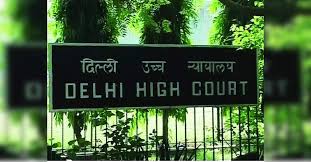
Delhi Lawyers Clash Over Raising District Court Pecuniary Jurisdiction from ₹2 Crore to ₹20 Crore
DHCBA opposes hike, citing risks to judicial efficiency
District Court Bar Associations call opposition “regressive”
By Our Legal Reporter
New Delhi: January 30, 2026:
The debate over enhancing the pecuniary jurisdiction of Delhi’s district courts has intensified, with the Delhi High Court Bar Association (DHCBA) formally opposing the proposal to raise the limit from ₹2 crore to ₹20 crore. The move, under consideration by the Delhi High Court judges’ committee, aims to ease the burden on the High Court’s Original Side, which currently handles a disproportionate number of high-value cases.
Also Read: Kerala High Court: Angry Words in Quarrel Not Abetment of Suicide
The issue has split the legal fraternity. While the DHCBA insists that district courts lack infrastructure and expertise to handle such high-value disputes, the Coordination Committee of District Court Bar Associations has condemned the opposition, calling it “unjustified and contrary to public interest.”
Background of the Proposal
- Current Limit: District courts in Delhi can hear civil cases up to ₹2 crore.
- Proposed Change: Raise jurisdiction to ₹20 crore, aligning with inflation and property valuations.
- Reasoning: The existing limit is outdated, leading to overcrowding of the High Court’s Original Side.
- Supporters: District Court Bar Associations argue that enhancement will decentralize justice and reduce delays.
- Opponents: DHCBA fears district courts may struggle with complex, high-value litigation.
DHCBA’s Concerns
- Judicial Efficiency: District courts may face delays due to lack of infrastructure.
- Quality of Justice: Complex cases involving corporate disputes may require High Court expertise.
- Institutional Balance: Sudden jurisdictional changes could disrupt the established hierarchy of courts.
- Plan of Action: DHCBA has formed a committee including senior advocates to oppose the proposal.
District Court Bar Associations’ Response
- Outdated Limit: ₹2 crore is unrealistic given Delhi’s property valuations.
- Litigant Interest: Enhancement would reduce costs and travel for litigants.
- Burden on High Court: Current limits overload the High Court, delaying justice.
- Public Interest: The committee called DHCBA’s opposition “regressive” and harmful to litigants.
Legal and Policy Significance
- For Litigants: Higher jurisdiction in district courts means faster resolution of disputes.
- For Judiciary: Redistribution of cases could ease High Court workload.
- For Policy Makers: The debate highlights the need for balancing efficiency with quality of justice.
- For Lawyers: Raises questions about specialization and training in district courts.
Broader Implications
- Access to Justice: Enhancing jurisdiction could make justice more accessible at the district level.
- Infrastructure Needs: District courts will require upgrades in staff, technology, and facilities.
- Future Reforms: The debate may influence similar proposals across other states.
Conclusion
The clash between the DHCBA and District Court Bar Associations over pecuniary jurisdiction reflects deeper tensions in India’s judicial system—between efficiency, expertise, and accessibility. While the High Court Bar fears disruption, district lawyers argue that enhancement is overdue and necessary for litigant welfare. The final decision will shape not only Delhi’s judicial landscape but also set a precedent for reforms across India.
CourtKutchehry.Com Recommended Legal Resource
For readers interested in understanding legal frameworks, succession, and drafting, the book Will Writing Simplified [Law, Procedure and Drafting of Wills, Codicils, Revocation, Probate, Letters of Administration and Succession Certificates with Supreme Court Case Law] is highly recommended. It provides practical insights into drafting and case law.
Also Read: Mumbai Taxi Scam: Laws Protecting Foreign Tourists and How Visitors Can Check Fares
Suggested Keywords for Faster Searches
- Delhi High Court pecuniary jurisdiction debate
- DHCBA opposes district court jurisdiction hike
- District Court Bar Associations support pecuniary enhancement
- ₹2 crore to ₹20 crore jurisdiction Delhi courts
- Delhi High Court Original Side case burden
- Pecuniary jurisdiction India legal reforms
- Delhi lawyers clash over jurisdiction hike
- Judicial efficiency vs access to justice Delhi
- Delhi High Court Bar Association resolution
- Will Writing Simplified legal resource
Also Read: Bombay High Court: Dividend Tax for NRIs Must Follow DTAA Rates, Not Higher Domestic Law