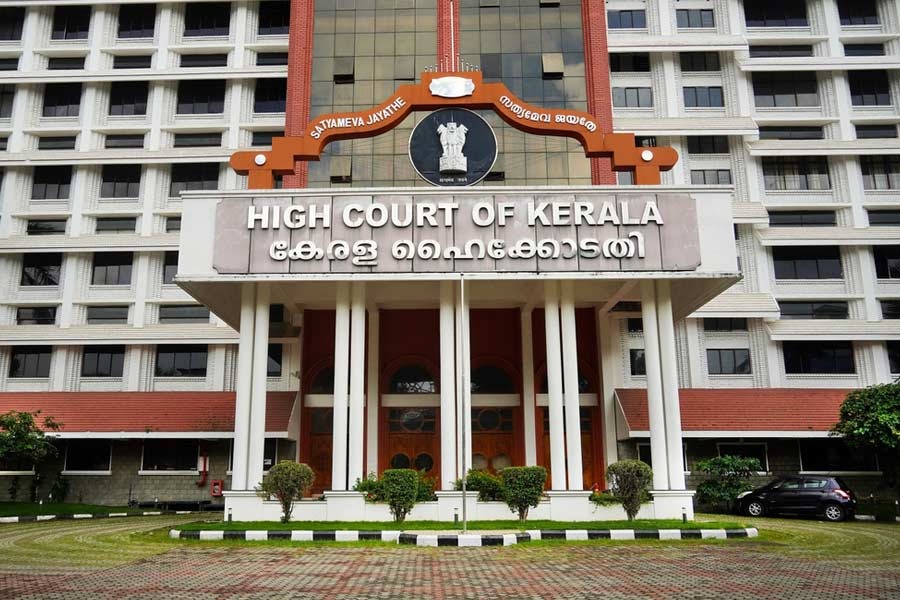
Kerala High Court: Angry Words in Quarrel Not Abetment of Suicide
Court says intention, not feelings, decides liability
Ruling clarifies scope of Section 306 IPC
By Our Legal Correspondent
New Delhi: January 30, 2026:
In a landmark ruling, the Kerala High Court has held that casual or angry remarks made during a quarrel do not amount to abetment of suicide unless there is clear evidence of criminal intent. The judgment was delivered by Justice C Pratheep Kumar while hearing a criminal revision petition challenging charges under Section 306 (abetment of suicide) and Section 204 (destruction of evidence) of the Indian Penal Code.
Also Read: Supreme Court Declares: Anticipatory Bail Is Exceptional, Not the Rule
The case involved a man accused of telling a woman to “go away and die” during a heated argument. The woman, disturbed by the quarrel, later died by suicide. The prosecution argued that the remark amounted to abetment, but the High Court disagreed, stressing that intention of the accused is the decisive factor, not the subjective feelings of the deceased.
Background of the Case
- The accused was in a relationship with the deceased, who later discovered he intended to marry another woman.
- During a quarrel, he allegedly told her to “go away and die.”
- The woman, mentally disturbed, ended her life along with her young daughter.
- The Sessions Court had proposed framing charges under Section 306 IPC, but the accused sought discharge.
- The High Court allowed the revision petition, ruling that the remark alone did not constitute abetment.
Court’s Observations
Also Read: Delhi High Court Rules: Undated Cheques Hold Legal Value in Loan Recovery Cases
- Mens rea (criminal intent) is essential to prove abetment of suicide.
- Casual or angry words spoken in the heat of a quarrel cannot be treated as instigation.
- The court emphasized that the accused’s intention, not the deceased’s feelings, determines liability.
- Justice Kumar clarified that unless there is evidence of deliberate provocation or sustained harassment, Section 306 cannot be invoked.
Legal Significance
This ruling is significant because:
- It narrows the scope of Section 306 IPC, preventing misuse in cases of emotional disputes.
- It reinforces the principle that criminal liability requires intention, not just consequence.
- It provides guidance for lower courts in handling sensitive cases involving suicide.
Legal experts note that the judgment aligns with earlier Supreme Court rulings that stressed the need for clear instigation or active participation to establish abetment.
Broader Implications
- For Families: The ruling provides clarity in cases where emotional disputes lead to tragic outcomes.
- For Law Enforcement: Police must carefully assess evidence of intent before charging under Section 306.
- For Judiciary: The judgment strengthens consistency in interpreting abetment laws.
Recommended Legal Resource
For readers interested in understanding legal procedures, especially those involving criminal liability, succession, and property rights, the book Will Writing Simplified [Law, Procedure and Drafting of Wills, Codicils, Revocation, Probate, Letters of Administration and Succession Certificates with Supreme Court Case Law] is highly recommended. It offers practical insights into drafting and legal processes.
Also Read: Supreme Court: No Fresh Objections After Decree Execution Under Section 47 CPC
Conclusion
The Kerala High Court’s ruling that angry words spoken in a quarrel do not amount to abetment of suicide marks a crucial clarification in criminal law. By emphasizing intention over consequence, the judgment ensures that individuals are not unfairly punished for remarks made in emotional circumstances. It also highlights the importance of distinguishing between casual utterances and deliberate instigation in sensitive cases involving human emotions and tragic outcomes.
Suggested Keywords for Faster Searches
Also Read: Supreme Court: No Fresh Objections After Decree Execution Under Section 47 CPC
- Kerala High Court abetment of suicide ruling
- Angry words not abetment IPC 306
- Justice C Pratheep Kumar judgment
- Mens rea in abetment of suicide cases
- Kerala HC go away and die case
- Section 306 IPC interpretation Kerala
- Suicide law India High Court ruling
- Abetment of suicide legal meaning India
- Kerala HC criminal revision petition 2026
- Will Writing Simplified legal resource
Also Read: Permanent Space Settlements Challenge Patent Law: Who Owns Innovation Beyond Earth?