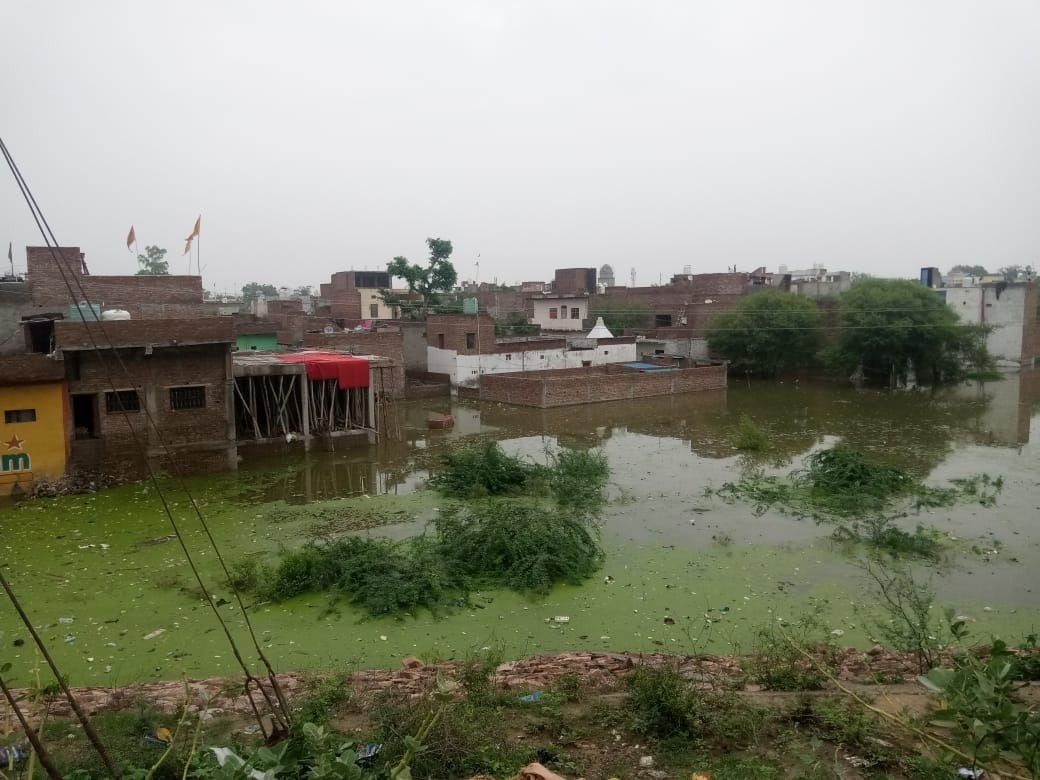
Delhi High Court Bans Construction on Yamuna Floodplains: Protecting Ecology and Preventing Encroachment
Court Says No Houses, Sheds or Graveyards Allowed on Floodplain Land
Judgment Highlights Environmental Protection and Legal Safeguards
By Our Legal Reporter
New Delhi: December 30, 2025:
The Delhi High Court has delivered a landmark judgment reinforcing the protection of the Yamuna floodplains, ruling that no construction or residential occupation is permissible on this ecologically sensitive land. The court clarified that even under the pretext of graveyards or religious use, houses, sheds, or tenements cannot be allowed.
Also Read: ITAT Mumbai Rules Property Sale Cash Not Unexplained Income: Relief for Taxpayers in Landmark Case
This ruling comes amid rising concerns about illegal encroachments, pollution, and ecological damage to the Yamuna River, which is already under severe stress due to urbanization and industrial discharge.
Background of the Case
- A petition was filed to prevent illegal construction on the Yamuna riverbank and floodplains.
- The court observed continued use of land near Nau Gaza Peer, where encroachments were reported.
- The Division Bench of Justices Prathiba M. Singh and Manmeet Pritam Singh Arora categorically stated that floodplains cannot be used for residential or religious structures.
Court’s Observations
- Absolute Ban on Construction: No houses, sheds, or graveyards can be permitted.
- Environmental Sensitivity: Floodplains are crucial for maintaining the river’s natural flow and preventing floods.
- Legal Enforcement: Authorities must ensure strict compliance and remove illegal encroachments.
- Public Interest: Protecting floodplains is essential for Delhi’s ecology and future generations.
Why Floodplains Must Be Protected
- Flood Prevention: Encroachments disrupt water flow, increasing flood risks.
- Groundwater Recharge: Floodplains act as natural aquifers.
- Biodiversity: They support flora and fauna unique to river ecosystems.
- Pollution Control: Encroachments often lead to dumping of waste, worsening Yamuna’s pollution.
Implications of the Judgment
1. For Residents and Encroachers
- Illegal constructions will face demolition.
- Graveyards or religious structures cannot justify occupation.
2. For Government Authorities
- Delhi Development Authority (DDA) and municipal bodies must enforce the ban.
- Restoration of floodplains is mandatory.
3. For Environmental Protection
- Strengthens ongoing efforts by the National Green Tribunal (NGT) to protect Yamuna.
- Aligns with India’s constitutional duty under Article 48A (protection of environment).
Broader Context
- NGT Orders: The NGT has repeatedly directed removal of encroachments and restoration of Yamuna floodplains.
- DMRC Case: Recently, the Delhi High Court ordered the Delhi Metro Rail Corporation (DMRC) to vacate floodplain land by March 2026.
- Sand Mining Violations: Reports show illegal sand mining continues in Yamuna floodplains, worsening ecological damage.
Expert Views
- Environmentalists: Applaud the ruling as a step toward saving Yamuna.
- Legal Experts: Stress that enforcement is key; otherwise, rulings remain on paper.
- Urban Planners: Call for stricter zoning laws to prevent future encroachments.
Conclusion
The Delhi High Court’s ruling banning construction on Yamuna floodplains is a critical step in protecting Delhi’s environment. By prohibiting residential and religious structures, the court has reinforced the ecological importance of floodplains. The challenge now lies in strict enforcement, removal of encroachments, and restoration of the river ecosystem.
This judgment is not just about land—it is about Delhi’s survival, ecology, and future generations.
Suggested Keywords for SEO (Google + ChatGPT)
- Delhi High Court Yamuna floodplains ruling
- No construction on Yamuna floodplain Delhi
- Graveyard encroachment Yamuna River case
- Floodplain ecology protection Delhi HC
- Yamuna floodplain encroachment ban
- Delhi HC environmental judgment 2025
- DMRC Yamuna floodplain case Delhi
- NGT Yamuna floodplain protection orders
- Illegal construction Yamuna River Delhi
- Delhi environment floodplain protection
Also Read: India’s New Income Tax Act 2025: No Tax Up to ₹12 Lakh from April 2026, Big Relief for Middle Class