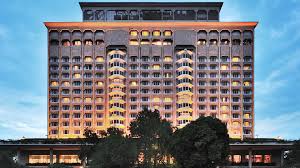
Taj Mahal and Connaught Hotels Challenge ₹46 Crore Licence Fee in Delhi High Court
IHCL cites COVID‑19 and pollution restrictions as force majeure
NDMC insists licence fee is contractually binding
By Legal Reporter
New Delhi: February 27, 2026:
The Indian Hotels Company Limited (IHCL), part of the Tata Group and operator of the iconic Taj Mahal Hotel and The Connaught Hotel in New Delhi, has approached the Delhi High Court seeking relief from payment of licence fees amounting to over ₹46 crore. The company argues that the COVID‑19 pandemic and prolonged pollution‑related restrictions in the national capital qualify as “force majeure” events, making it impossible to meet contractual obligations. The case has drawn attention to the financial struggles of the hospitality industry during the pandemic and the legal complexities of lease agreements with government bodies.
Background of the Case
- Both hotels are owned by the New Delhi Municipal Council (NDMC) but operated by IHCL under licence agreements.
- The licence fee dispute arose after IHCL claimed that the pandemic and pollution‑related shutdowns severely impacted revenues between 2020 and 2022.
- IHCL argued that these events were beyond its control and should be treated as force majeure, exempting it from paying the full licence fee.
The company filed a petition before the Delhi High Court, where Justice Subramonium Prasad heard the matter. Senior advocates Saurabh Kirpal and Gautam Narayan appeared for IHCL, while NDMC was represented by its standing counsel and team of advocates.
[Legal Note: If you want practical guidance on drafting wills, codicils, and probate procedures, Will Writing Simplified is an invaluable resource. AVAILABLE HERE: Amazon 🔹 Flipkart.
IHCL’s Arguments
IHCL submitted that:
- The pandemic led to prolonged closures, drastically reducing occupancy and revenues.
- Pollution‑related restrictions in Delhi further disrupted operations, especially during peak tourist seasons.
- These events were unforeseeable and qualify as “acts of God” under the force majeure clause.
- Imposing the full licence fee despite these circumstances would be unjust and financially crippling.
IHCL stressed that the hospitality industry was among the hardest hit sectors during COVID‑19, with international travel bans and domestic restrictions leading to unprecedented losses.
NDMC’s Stand
The NDMC countered that:
- The licence fee is a contractual obligation and must be paid regardless of external circumstances.
- IHCL had agreed to the terms of the licence and cannot now seek exemption.
- The force majeure clause does not apply to financial obligations such as licence fees.
NDMC maintained that public assets like the Taj Mahal Hotel and The Connaught Hotel must generate revenue for the council, and exemptions would set a problematic precedent.
Court Proceedings
- The Delhi High Court acknowledged the financial strain faced by hotels during the pandemic.
- Justice Subramonium Prasad suggested mediation as a possible route for resolving the dispute.
- The next hearing has been scheduled for April 23, giving both parties time to explore settlement options.
Also Read: New Income Tax Draft Rules: No PAN Needed for Property Deals Below ₹20 Lakh from April 1
Wider Impact on Hospitality Sector
This case highlights the broader challenges faced by India’s hospitality industry:
- Hotels across the country reported massive losses during COVID‑19 due to lockdowns and travel restrictions.
- Many operators sought relief under force majeure clauses, but legal interpretations varied.
- The outcome of this case could set an important precedent for how courts view contractual obligations during extraordinary events.
Significance of Force Majeure in Contracts
Force majeure clauses are designed to protect parties from liability when extraordinary events prevent them from fulfilling obligations.
- Common examples include natural disasters, wars, and pandemics.
- However, courts often interpret these clauses narrowly, especially when financial obligations are involved.
- The IHCL case will test how Indian courts balance contractual enforcement with fairness during unprecedented crises.
Economic and Social Context
- Delhi’s hospitality sector contributes significantly to tourism and employment.
- The Taj Mahal Hotel, located near India Gate, is one of the city’s most iconic landmarks.
- The Connaught Hotel also holds historical significance and caters to business and leisure travellers.
- Prolonged disputes over licence fees could affect the reputation and operations of these establishments.
What Lies Ahead
- If mediation succeeds, IHCL and NDMC may reach a compromise on the licence fee.
- If not, the High Court will deliver a ruling that could have far‑reaching implications for similar disputes.
- The case may also influence future drafting of force majeure clauses in government contracts.
Conclusion
Also Read: Lok Sabha Speaker Reconstitutes Panel Probing Cash Row Against Justice Yashwant Varma
The Delhi High Court case involving IHCL, Taj Mahal Hotel, and The Connaught Hotel is more than a financial dispute—it is a test of how Indian law interprets contractual obligations during crises. With the hospitality industry still recovering from the pandemic, the outcome will be closely watched by stakeholders across the country. Whether the court sides with IHCL’s plea for relief or NDMC’s insistence on strict enforcement, the decision will shape the future of hotel‑government partnerships in India.
Keywords for Faster Searches
- Taj Mahal Hotel licence fee case
- Connaught Hotel Delhi HC petition
- IHCL licence fee dispute NDMC
- COVID‑19 impact hospitality sector India
- Delhi High Court force majeure ruling
- Tata Group hotels licence fee case
- NDMC hotel contracts Delhi
- Hospitality industry legal disputes India